

Suji and rava are two totally different ingredients with similar coarsely milled wheat products. Semolina is a wheat product that is confusing because of its regional names, grain type, and granule sizes. So, understanding the basic differences helps you choose the right product for preparing halwa, upma, idli, or baked foods without costly mistakes. Therefore, the following blog sheds light on the key differences between suji and rava through their textures and regional importance.
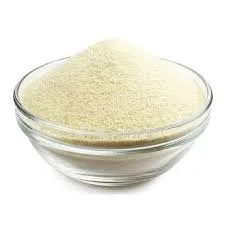
What is Semolina Made From?
Semolina is mainly manufactured from durum wheat, which is also the hardest variety of wheat grown. You can also consider adding this ingredient to your diet because of its high protein and gluten content. In the milling process of semolina, the outer bran and germ of the wheat are removed carefully, leaving only the endosperm. After the removal process, the endosperm is ground coarsely, but not crushed to powder like regular flour. Therefore, the semolina extracted consists of a signature grainy texture
The coarse grinding of semolina makes it different from maida or atta. As it has larger granules, it leads to firmer bites and keeps them from turning sticky or mushy. The high protein content of Semolina indicates that it can absorb liquid differently from the other ingredients. This is also a reason why recipes made using rava need a specific ratio of water.
Regional Differences: Why North & South Indian People Call it Differently
People living in North India call semolina “Suji” and this term is highly dominant within the Hindi-speaking states such as Punjab, Delhi, and Uttar Pradesh. This ingredient is mainly used for the making of recipes like cheela and halwa. On the other hand, the people of South India calles its “rava” which is a Telugu- and Kannada-origin word. This word is also a standard term used across different states such as Andhra Pradesh, Karnataka, and Tamil Nadu. People here use this ingredient to prepare breakfast recipes such as rava dosa and rava idli.
However, in both regions, this same product is sold, but with different labels based on the local dialect and packaging traditions. The selling process follows the milling process of that region. Furthermore, you might also notice very little variation while comparing suji packet price across different states.
Fine vs Coarse: How Are Grain Textures Different
Semolina is generally sold in different textures, such as mills that grind it them in to coarse particles, along with medium and fine grades. Such textures allow you to prepare different recipes. Coarse rava generally consists of larger granules, making them suitable ingredient for dishes like upma. This makes the upma more distinct as it separates the grains after cooking, instead of making the dish mushy.
Semolina with medium-grade texture leads to better balance; you can use it for khichdi preparation, along with savory snacks that need moderate texture. Next, fine rava consists of a powder-like texture, making it better for cake, halwa, and baked goods. Thus, making the dishes smoother, melting the food easily in your mouth. You can also check suji packet price and the texture by learning its processing technique.
Conlusion
To sum up, suji and rava come from the same root, which is semolina, but they are different when it comes to region, texture, and use. Cooking them wisely leads to better recipes with authentic taste.



























Sign in to leave a comment.