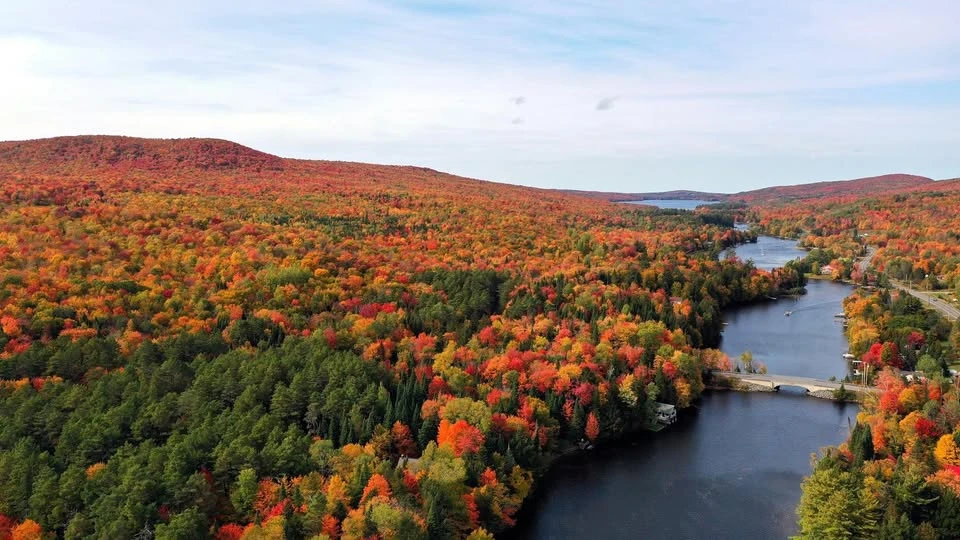

Ask any camper what they remember most, and you’ll hear about lake jumps, color war paint, late-night giggles, and that one goofy counselor who knew every camp song. Summer camp photos are the time capsules that hold it all—proof that kids were brave, muddy, creative, and very much alive in the moment. Whether you’re a parent, counselor, or camp director, here’s a practical, human-first guide to shooting, organizing, and sharing images that feel like summer itself.
Tell a Story, Not Just a Day
The best camp albums read like a mini documentary. Think in sequences:
- Opening: Dawn mist on the lake, first flag raising, breakfast line smiles.
- Middle: Activity blocks—archery release, ropes-course high-five, clay on hands, canoe J-stroke in action.
- Closing: Golden-hour portraits, evening program, the hush of cabins and the glow of string lights.
Mix wide shots (set the scene), medium frames (action), and close-ups (muddy knees, friendship bracelets, melted s’mores). You’re making a movie with stills—give viewers a beginning, middle, and end.
Shot List That Actually Works
Use this as a baseline and adapt per session:
- People: Cabin groups, “day-in-the-life” of a counselor, leadership team candid.
- Activities: One strong image per rotation: swim lesson bands, sailing, drama rehearsal, woodshop, robotics, horseback.
- Traditions: Color war, campfire, song circle, mail call, talent show, themed dinners.
- Little magic: Name tags on a clothesline, chalk schedules, damp towels on rails, muddy boots by the door, bunks covered in postcards.
- Milestones: First fish, first summit, first backhandspring, camper awards, birthdays.
Aim for representation—feature different cabins, ages, and comfort levels daily.
Make Kids Look and Feel Great
- Get low: Kneel or sit for kid-height portraits. It’s friendlier and more flattering.
- Move your feet: Zoom less, step closer. It adds intimacy without shouting, “Smile!”
- Light smart: Early and late light is magic. Midday? Find open shade or use the lake as a bright backdrop (expose for faces).
- Prompt, don’t pose: “On three, show me your best victory face!” yields real expressions.
- Protect the moment: Put the camera down sometimes. Campers notice when an adult is present vs. performing paparazzi.
Phones vs. Cameras (Use What You Have)
Modern phones are excellent in daylight, quick to share, and perfect for counselors capturing spontaneous moments. For a camp media lead, add a mirrorless or DSLR with a 24–70mm and a 70–200mm (or phone lens attachments) for action and low-light. Bring extra batteries, a lightweight strap, and a dry bag for water days. A clip-on mic helps for short reels with clear sound.
Workflow That Doesn’t Eat Your Evenings
- Daily intake: Create a simple folder structure: Session > Day > Activity.
- Cull quickly: Flag keepers on your phone or laptop—aim for 80–120 photos per day max.
- Batch edit: Use basic tools (Apple/Google Photos, Lightroom Mobile) to adjust exposure, crop distractions, and straighten horizons. Apply a soft, consistent look—avoid heavy filters.
- Select for story: Export 30–60 images that show variety and faces; save the rest for archives.
- Caption lightly: “Bunk 7 conquers the wall!” beats a blank upload; parents love context.
Privacy, Consent, and Safety
- Permission first: Keep a clear photo-release policy at registration; maintain a do-not-photograph list that media staff can access offline.
- Context matters: Avoid identifying details (last names on bunk charts, cabin numbers on door close-ups) in public posts.
- Swimwear standards: Choose active, joyful frames—no zoomed-in crop on bodies.
- Boundaries: Respect campers who opt out. A thumbs-up check-in before close portraits builds trust and better smiles.
Social Media vs. Parent Portals
- Parent portal: Post fuller daily galleries here—secure, high-resolution, downloadable.
- Public social: Share a tight highlight reel (6–10 images or a 30–45 sec video) focused on atmosphere and tradition, not faces of non-consenting campers.
- Timing: Consistency beats volume. One strong post per day/session creates anticipation without overwhelming feeds.
- Engagement: Invite families to comment with favorite camp memories—community builds brand.
Video: Short, Simple, Shareable
Keep reels under 45 seconds. Structure: hook (5s)—splash, cheer, sunrise; heart (30s)—quick cuts of activities on beat; button (5–10s)—campfire, logo, session dates. Shoot horizontal for parent portals and a couple of vertical clips for stories. Stabilize by bracing elbows, walking heel-to-toe, or using a small gimbal.
Printing Still Matters
Digital is fleeting; prints anchor memory. Offer:
- Closing-night slideshow (download link after).
- Cabin photo (8×10) for each camper.
- Season yearbook or zine mailed in September—parents will thank you.
- Mini prints in the mail mid-winter (“See you next summer!”) to keep excitement alive.
Tricks Pros Swear By
- Rule of thirds for clean compositions; leading lines on docks and paths.
- Burst mode for jumps and rope swings; pick the peak moment.
- Backlight hair at sunset; expose for faces, let the sky go dreamy.
- Reflectors on the fly: a white towel or clipboard brightens shadows.
- Name notes: Keep a tiny notebook; labeling later preserves stories and avoids “unknown camper” captions.
Archiving for the Future
Back up nightly to a hard drive and a cloud folder. Use consistent file names (2025_S2_D3_colorwar_001.jpg). Tag images with keywords—activities, cabin, names—so you can find “Bunk Maple + canoe” in seconds next year.
The Takeaway
Great summer camp photos don’t just prove attendance—they transport. They remind kids (and their grown-ups) how brave, silly, kind, and capable they were when it mattered. Tell stories, protect privacy, keep a clean workflow, and print a few favorites. Years from now, these pictures will smell like pine and lake water again—and that’s the magic you’re bottling.










Sign in to leave a comment.