

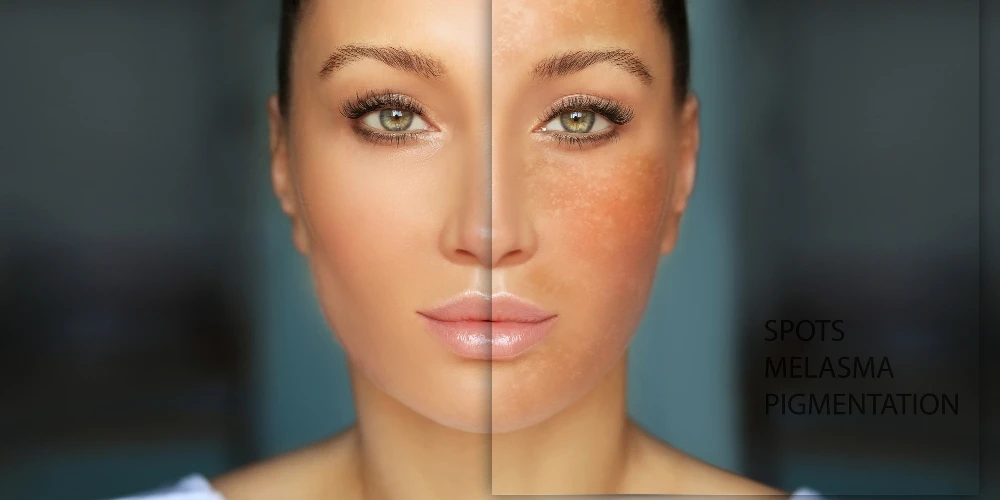
Pigmentation is one of the most common skin issues seen across all ages and skin types. Whether it’s sunspots, melasma, or the dark marks left behind after acne, these unwanted patches can affect both your confidence and the way your skin looks. While pigmentation can be triggered by many things, one major cause continues to stand out more than anything else sun exposure.
Even a few minutes in the sun can activate the melanin-producing cells in your skin. This can lead to uneven colour, patchiness, and stubborn dark spots that take months to fade. Because of this, dermatologists constantly highlight one message: sun protection is essential, not optional.
In this easy-to-understand guide, we’ll explain how the sun affects your skin, why pigmentation happens, why UV protection matters every single day, and which pigmentation treatment options are most effective.
Understanding Pigmentation: Why Dark Spots Form
Pigmentation develops when your skin produces too much melanin the natural pigment that gives colour to your skin, hair, and eyes. Melanin protects your skin from UV rays, but when produced in excess, it leads to visible dark patches.
Common Types of Pigmentation
1. Sunspots (Solar Lentigines)
Brown, flat spots that appear on areas exposed to the sun, such as the face, arms, and hands. They are mainly caused by years of UV exposure.
2. Melasma
Melasma shows up as brown or grey patches on the face, often due to hormone changes. Even though hormones trigger it, sunlight makes it significantly worse.
3. Post-Inflammatory Hyperpigmentation (PIH)
PIH happens after skin inflammation like acne, burns, eczema, or harsh treatments. Sunlight can darken these marks, making them stay longer.
4. Freckles
Small brown spots caused by genetics, which become darker with sun exposure.
No matter what type of pigmentation you have, sunlight will make it appear darker, more visible, and harder to treat even if you're already using pigmentation products.
How Sunlight Causes Pigmentation
Sunlight carries two main types of rays that can damage your skin:
1. UVA Rays – The Ageing Rays
- Reach deeper layers of the skin
- Cause wrinkles, loss of firmness, and long-term damage
- Trigger melanin production
- Lead to tanning and uneven tone
2. UVB Rays – The Burning Rays
- Affect the top layer of the skin
- Cause sunburn and redness
- Stimulate the skin to produce more melanin
Even on cloudy days, around 80% of UV rays still reach you. Indoor lighting, digital screens, and sunlight coming through windows can also contribute to pigmentation.
Why Daily Sun Protection Is the Key to Controlling Pigmentation
You cannot expect to reduce pigmentation if you are not protecting your skin from the sun every day. Even the most effective pigmentation treatment will show limited results if UV rays continue to hit your skin.
How Sunscreen Helps:
- Prevents melanin triggers
- Sunscreen blocks UV rays, stopping the process that causes dark spots.
- Prevents new spots from forming
- Especially important for people with acne-prone skin or melasma.
- Helps fade existing marks
- Your skin recovers better when UV rays aren't constantly damaging it.
- Protects during active treatments
- Ingredients like retinoids, vitamin C, and acids make your skin more sensitive to sunlight.
Signs Sunlight Is Making Your Pigmentation Worse
You may notice:
- Dark spots look deeper or darker after going outside
- Pigmentation seems stuck and doesn’t fade
- You tan easily, even with short exposure
- Acne marks get darker instead of healing
- Melasma patches return during summer
If these signs sound familiar, sun exposure is likely a major factor.
A Sun-Safe Routine: Simple Steps to Follow
Here’s how you can protect your skin daily and prevent pigmentation from getting worse:
1. Choose a Good Sunscreen
Your sunscreen should have:
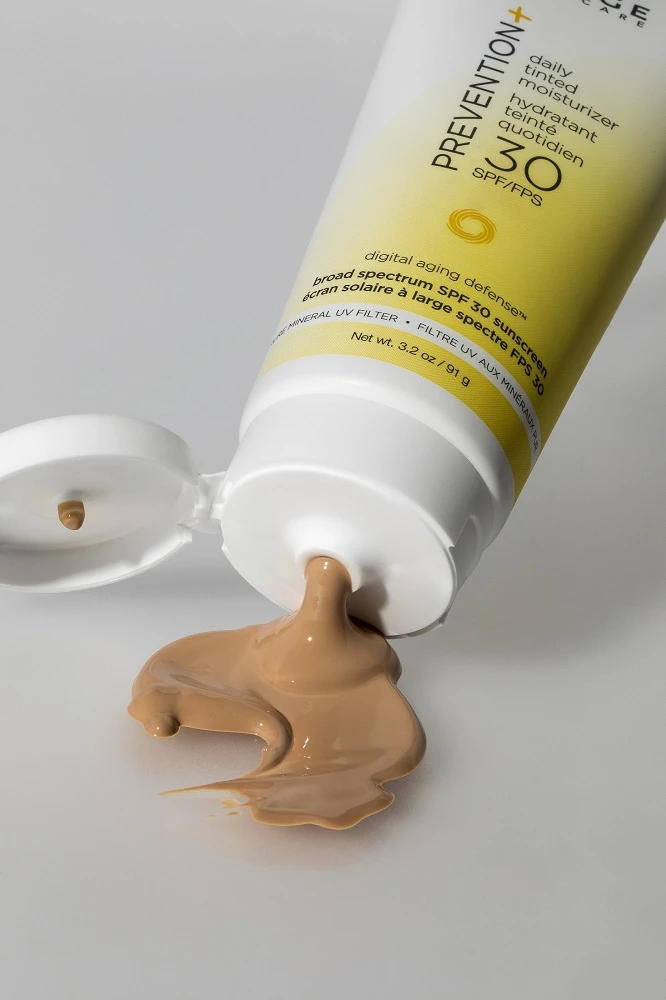
- SPF 30 or 50 (SPF 50 is best if you get pigmentation easily)
- Broad-spectrum protection (protects from UVA + UVB)
- Non-comedogenic formula (won’t clog pores)
- Mineral or chemical base—both work well
Tip:
Use two full finger lengths of sunscreen for your face.
2. Reapply Every 2–3 Hours
Sunscreen wears off due to sweat, oil, and daily activities. Carry a stick or spray for easy reapplication.
3. Wear Protective Accessories
- Sunglasses
- Wide-brimmed hats
- UV-blocking umbrellas
- Clothing with UPF protection
These items add an extra layer of defence against harmful rays.
4. Avoid Peak Sun Hours
The sun is strongest from 10 AM to 4 PM. Try to stay indoors during these hours if you're undergoing pigmentation treatment.
5. Add Antioxidants to Your Routine
Antioxidants help protect your skin from sun damage.
Great options include:
- Vitamin C
- Niacinamide
- Green tea extract
- Resveratrol
- Ferulic acid
Lifestyle Habits That Help Control Pigmentation
Healthy habits can make a noticeable difference:
- Drink plenty of water
- Avoid picking acne
- Use gentle skincare products
- Include leafy greens, berries, and omega-rich foods in your diet
- Sleep well to reduce inflammation
- Manage stress, especially if you have melasma
Effective Pigmentation Treatment Options
There is no single perfect treatment for pigmentation. The best plans combine professional guidance with at-home care.
Here are the most commonly recommended methods:
1. Topical Ingredients
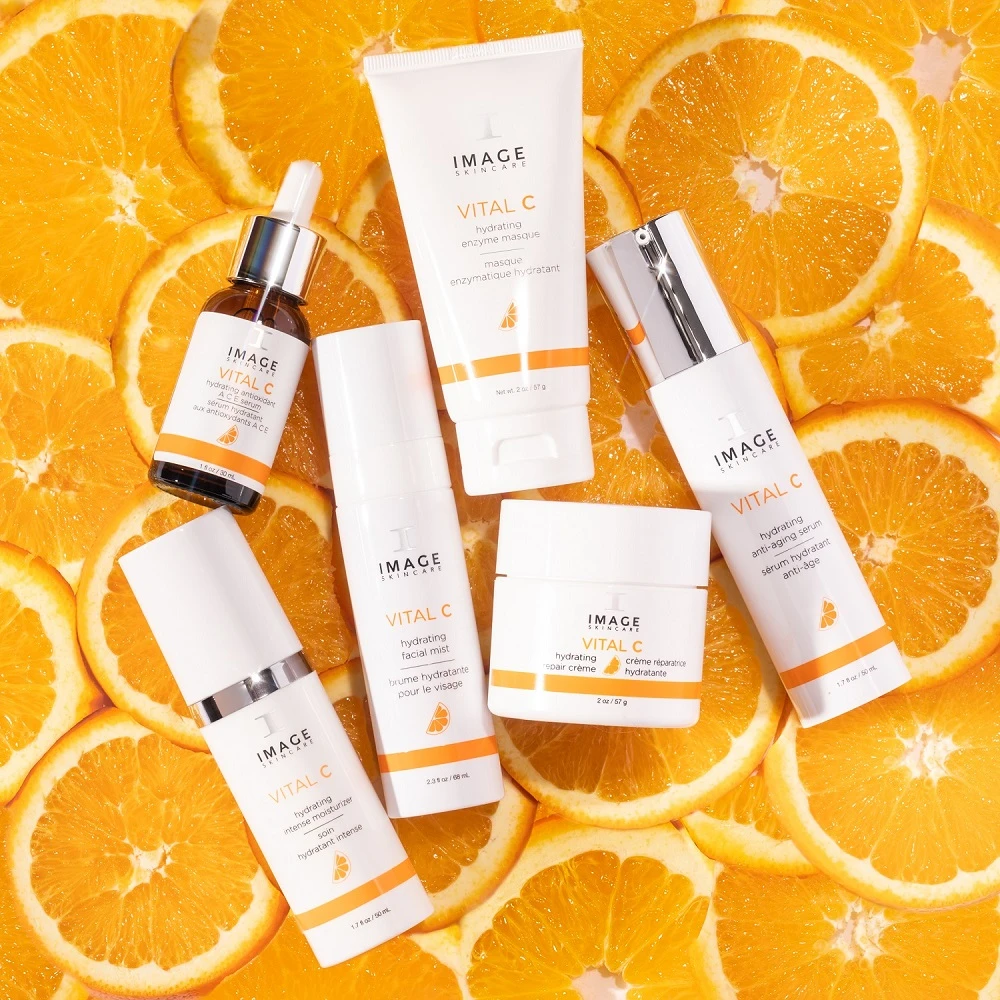
Vitamin C
Brightens the skin and reduces dullness.
Retinoids (Retinol, Tretinoin)
Increase skin cell turnover and fade dark spots over time.
AHAs/BHAs
Help exfoliate the skin gently and remove dead cells.
Niacinamide
Reduces redness and helps even out the skin tone.
Azelaic Acid
Ideal for acne-related pigmentation.
Kojic Acid
Helps reduce melanin production.
These ingredients take time but offer long-lasting improvements.
2. Chemical Peels
Chemical peels exfoliate the surface layer of the skin, helping lighten dark patches. They work well for sunspots, PIH, and mild melasma.
3. Laser Treatments
Lasers break down excess melanin in the skin. They require a trained professional because incorrect use can worsen pigmentation.
4. Microneedling
Microneedling helps with texture, collagen production, and overall tone. It is often combined with brightening serums.
5. Personalised Plans from Trusted Platforms
Platforms like lavie Treatment offer personalised skincare programs based on your skin type and pigmentation needs. These plans are structured, safe, and guided by experts.
How Long Does It Take to Treat Pigmentation?
Pigmentation fades slowly. On average:
- PIH takes 4–12 weeks
- Sunspots take 2–4 months
- Melasma needs long-term care and consistent protection
Patience and consistency are key.
Myths About Pigmentation and the Sun
Myth 1: Darker skin doesn’t need sunscreen
False—darker skin can still get pigmentation and melasma.
Myth 2: Sunscreen isn’t needed indoors
Windows and screens still allow damaging rays through.
Myth 3: Sunscreen causes breakouts
Non-comedogenic formulas are designed to prevent acne.
Myth 4: Once pigmentation fades, it won’t return
Pigmentation often comes back without proper sun protection.
Conclusion: Sun Protection Comes First
Pigmentation can be stubborn, but sun exposure is the main factor that makes it worse. By protecting your skin daily, using the right skincare, and exploring expert-guided options like lavie Treatment, you can prevent new dark spots and gradually lighten existing ones.
Remember, every pigmentation treatment works better when sun protection is part of your daily routine. With consistent care, clearer and brighter skin is absolutely achievable.





























Sign in to leave a comment.