
Have you ever watched the sun dip below the horizon and felt your shoulders relax without even realizing it? That soft orange glow feels comforting, almost like the day is gently telling your body it’s time to slow down. Many people try to recreate that peaceful feeling indoors, especially in the evening. That’s where a sunset lamp projector comes into the picture.
In recent years, these lamps have become popular in bedrooms, living rooms, and even home offices. People are drawn to the warm colors, cozy atmosphere, and calming mood they create. But beyond looking pretty on social media, these lamps can play a real role in helping us unwind at the end of the day.
In this article, we’ll explore what sunset lamps are, why our eyes and brains respond so strongly to warm light, and how lighting choices can influence sleep and relaxation. Everything will be explained in everyday language, with simple examples anyone can relate to.
What Is a Sunset Lamp?
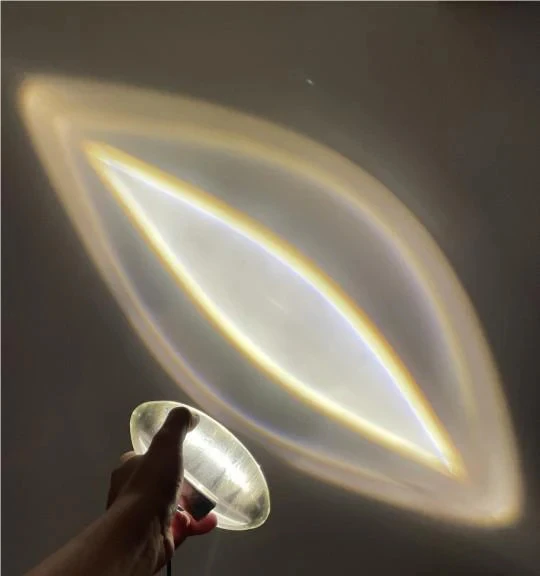
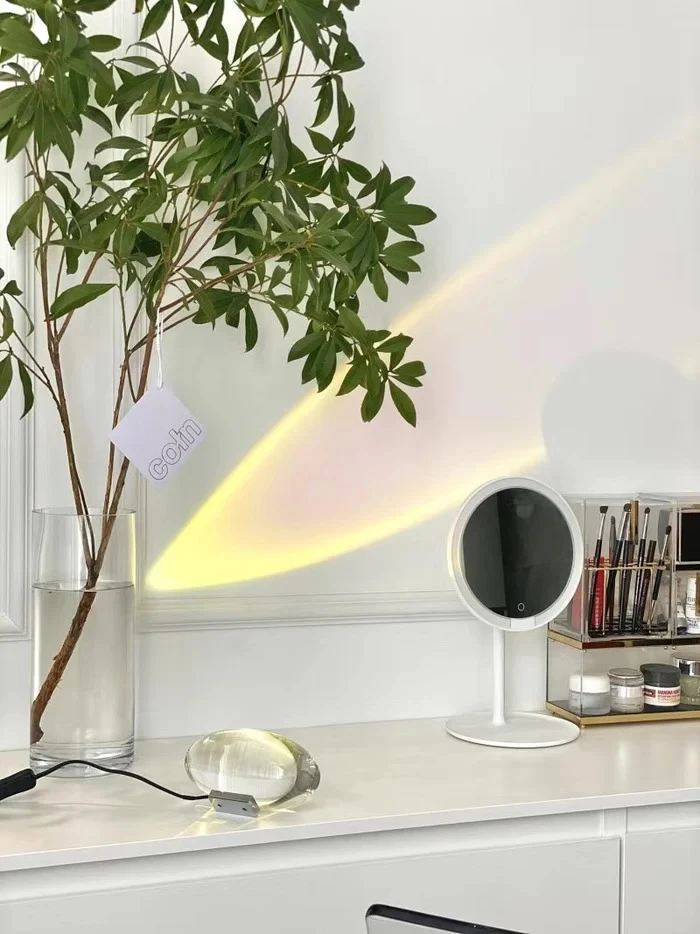
A sunset lamp projector is a small light that projects a soft blend of warm colors—usually orange, red, and golden yellow—onto a wall or ceiling. Instead of lighting up the entire room like a regular bulb, it creates a focused glow that feels more like the last light of day.
Think of it as painting your wall with a gentle sunset instead of flipping on a bright overhead light. The result is a cozy, calm atmosphere that feels more natural and less harsh on the eyes.
Many of these lamps are adjustable. You can tilt them, rotate them, or move them closer or farther from the wall to change how the colors spread. Some are simple plug-in models, while others come with remote controls or app settings.
Why Warm Light Feels So Comforting
To understand why sunset-style lighting feels so relaxing, imagine the difference between a candle and a flashlight. A flashlight is useful when you need to see clearly, but you probably wouldn’t want to sit under it while trying to relax. A candle, on the other hand, gives off a soft glow that makes you want to slow down and breathe.
Warm light works the same way. Our brains associate orange and red tones with evening and rest. For thousands of years, humans lived by the sun. Bright light meant it was time to work, hunt, or stay alert. As the sun went down, firelight took over, signaling that it was time to rest.
Even though modern life has changed, our brains still respond to light in very similar ways.
The Link Between Light and Sleep
Light is one of the strongest signals your body uses to decide when to feel awake and when to feel sleepy. Your brain runs on an internal clock that helps control energy levels, focus, and sleep patterns.
This is where how lighting affects sleep becomes important. Bright, cool-toned light—like the kind from many ceiling lights, TVs, and phones—tells your brain it’s still daytime. Warm, dim light does the opposite. It gently nudges your body toward rest.
An easy way to picture this is to think of your brain like a dimmer switch instead of an on-off button. Harsh light turns the switch up. Soft light slowly turns it down.
Why Overhead Lights Can Be Too Harsh at Night
Most homes are designed with bright overhead lights meant to illuminate everything evenly. These lights are practical, but they’re not always ideal in the evening.
After sunset, turning on a strong white light can feel like shining a spotlight in your face. Your eyes adjust, but your brain stays alert longer than you might want. This can make it harder to relax, watch a movie, or prepare for bed.
Sunset-style lamps offer an alternative. Instead of flooding the room with brightness, they create pockets of gentle light. This makes the space feel calmer without leaving you in the dark.
Creating a Relaxing Evening Routine
Many people struggle with winding down at night, especially after a long day of screens, noise, and stress. Lighting can become part of a simple evening routine that helps signal your body it’s time to slow down.
For example, you might switch off overhead lights an hour before bed and turn on a warm glow lamp instead. Pair that with quieter activities like reading, stretching, or listening to music. Over time, your brain starts to associate that lighting with relaxation.
It’s similar to how putting on pajamas tells your body that sleep is coming. Light can work the same way, just through your eyes instead of touch.
Mood and Atmosphere: More Than Just Sleep
While sleep is a big reason people love sunset lamps, the benefits don’t stop there. Warm lighting can also influence mood and emotions.
A softly lit room often feels safer and more welcoming. That’s why restaurants and cafés rarely use harsh lighting in the evening. They want people to linger, talk, and feel at ease.
At home, this kind of lighting can make activities like journaling, meditation, or even casual conversation feel more comfortable. It reduces visual stress and creates an environment that encourages calm rather than rush.
Using Sunset Lighting in Different Rooms
Bedroom:
This is the most common place for sunset lamps. Placed near a wall or headboard, they can create a soothing backdrop that helps you relax before sleep.
Living Room:
Instead of relying on one bright light, a warm glow can make movie nights or quiet evenings feel cozier.
Home Office:
While you wouldn’t want sunset lighting during focused work, it can be helpful at the end of the day when you’re finishing up tasks and transitioning out of work mode.
Bathroom:
Some people use soft lighting during nighttime routines to avoid shocking their eyes with brightness, especially during late-night trips.
Are Sunset Lamps Safe for Everyday Use?
Most modern sunset lamps use energy-efficient LED lights. These stay cool to the touch and consume very little electricity. As long as you follow basic safety guidelines—like keeping cords in good condition and not covering the lamp—they are generally safe for daily use.
Because they are not overly bright, they are also easier on the eyes compared to strong bulbs. Still, they are meant for mood lighting, not for tasks that require clear vision, like reading fine print or applying makeup.
Choosing the Right Sunset Lamp for Your Space
When shopping for a sunset-style lamp, consider a few simple factors:
- Brightness control: Being able to adjust the light level helps you match the mood you want.
- Color tone: Some lamps lean more orange, while others include hints of pink or red.
- Size and placement: Smaller lamps work well for bedside tables, while larger projections suit open walls.
You don’t need the most expensive option. Even simple models can create a noticeable change in how a room feels.
Small Changes, Big Impact
It’s easy to overlook lighting because it’s always been there. But small changes in how we light our homes can have a surprisingly big effect on how we feel.
Switching from harsh light to a warm glow in the evening is like changing from fast-paced music to a slow song. Nothing else changes, but your body responds almost immediately.
Over time, these small adjustments can support better relaxation, improved mood, and a smoother transition into sleep.
Conclusion
Sunset-style lighting taps into something deeply human: our natural response to the end of the day. By mimicking the colors of dusk, these lamps help create a peaceful environment that encourages rest and comfort.
While no single product can fix sleep issues on its own, thoughtful lighting choices can make evenings feel calmer and more intentional. Whether you’re trying to relax after work, build a better bedtime routine, or simply make your home feel warmer, sunset-inspired light can be a gentle and effective addition.
Sometimes, improving how we feel at night doesn’t require big changes—just a softer glow and a moment to slow down.

Sign in to leave a comment.