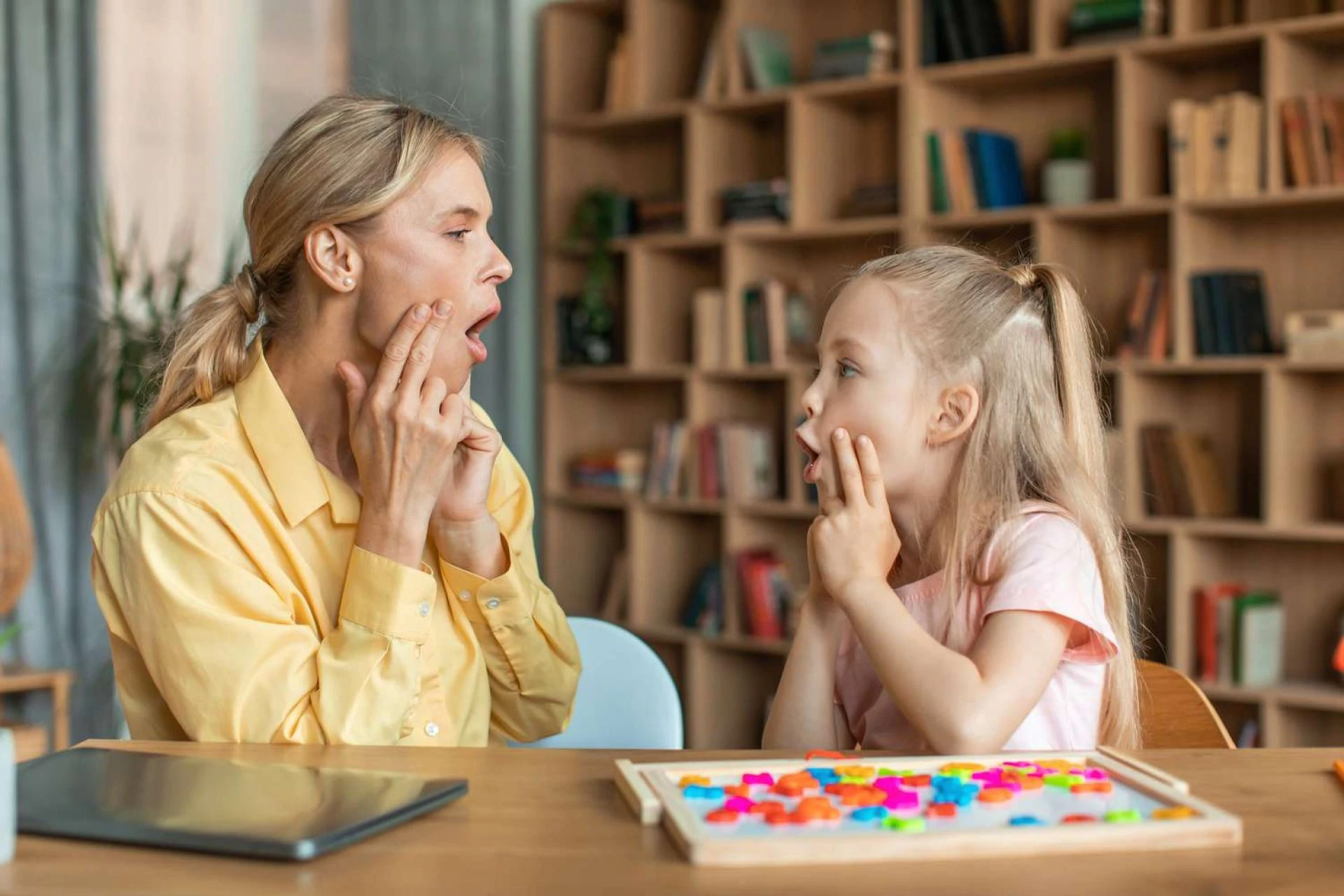

Speech therapy for preschoolers is a crucial step in supporting early communication development. At this age, children are rapidly expanding their vocabulary, learning to form sentences, and starting to interact more confidently with peers and adults. However, some children may face challenges in speech and language, ranging from difficulties pronouncing certain sounds to delays in understanding or expressing words. Early intervention through speech therapy can make a significant difference in their long-term communication skills and overall confidence.
Speech therapy for preschoolers focuses on both speech and language skills. Speech involves the ability to produce sounds correctly and be understood by others, while language encompasses understanding, using, and interpreting words and sentences. A speech therapist, often called a speech-language pathologist, works with children to identify specific areas of difficulty and tailor exercises that are engaging and appropriate for their developmental stage. For preschoolers, therapy often takes a playful approach, incorporating games, songs, and storytelling to encourage participation and learning in a natural and enjoyable way.
One of the primary goals of speech therapy for preschoolers is to improve articulation, helping children pronounce words clearly. Mispronunciations are common at this age, but persistent difficulties may signal the need for professional support. Therapists use fun exercises, like tongue twisters, sound repetition games, and picture cards, to help children practice producing sounds correctly. Over time, consistent practice can greatly enhance their ability to communicate effectively, reducing frustration for both the child and their caregivers.
Language development is another critical area addressed in therapy.Some preschoolers may struggle with understanding instructions, using appropriate vocabulary, or forming sentences. Speech therapy helps children expand their expressive and receptive language skills. Activities might include interactive reading, role-playing scenarios, and language-based games that encourage children to describe objects, follow multi-step directions, and engage in conversations. These exercises build a strong foundation for both social interactions and future academic success.
Social communication skills are also emphasized in therapy. Many children benefit from learning how to take turns in conversation, use polite forms of communication, and express their feelings appropriately. Group therapy sessions can be especially helpful, providing opportunities for preschoolers to practice these skills in a supportive and structured environment. These early interactions help children develop confidence and prepare them for kindergarten and beyond.
Consistency and family involvement are essential for effective speech therapy. Parents and caregivers play a vital role in reinforcing skills learned during therapy sessions. Simple strategies, like reading together daily, encouraging children to repeat new words, and modeling correct speech patterns, can significantly accelerate progress. Additionally, early intervention allows therapists to address issues before they become more entrenched, leading to better outcomes in communication and learning.
Speech therapy for preschoolers is an invaluable resource for children experiencing speech and language challenges. By focusing on articulation, language development, and social communication skills, therapy helps children build confidence, improve interactions with others, and establish a strong foundation for lifelong learning. Early support, combined with family involvement, ensures that preschoolers have the tools they need to thrive both socially and academically, setting them on a path to clear and confident communication.
For trusted support, you can reach Newcastle Speech Pathology at 1/95 Union Street, Cooks Hill, NSW, Australia, 2300, or call 61 2 4948 9800. You can also contact them via email at [email protected] or [email protected].



Sign in to leave a comment.