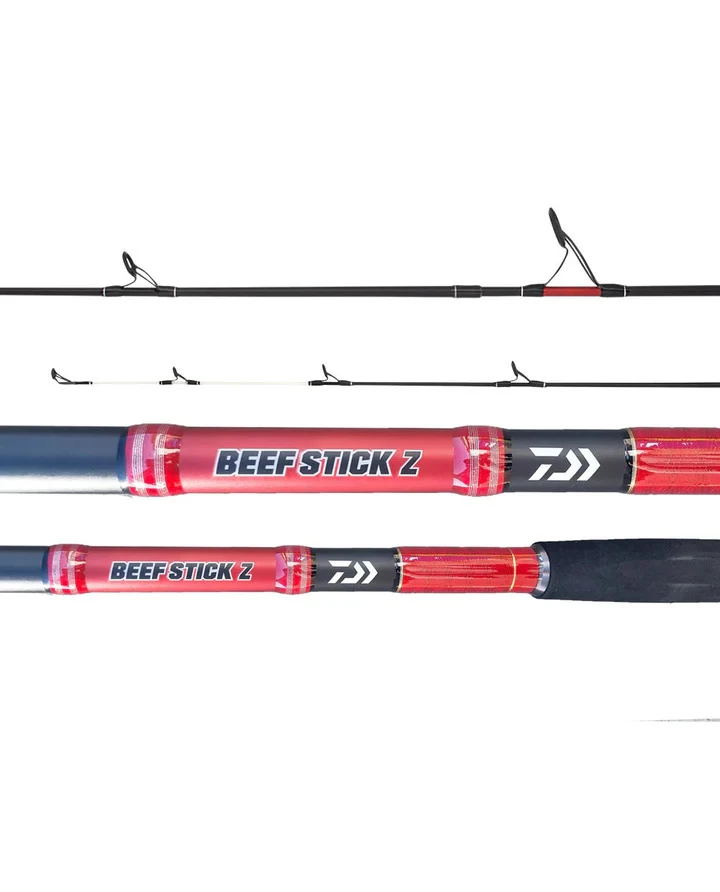
Fishing from the surf is a timeless experience — the rhythm of crashing waves, the anticipation of a strike, and the sheer satisfaction of landing a catch from the shore. But to truly enjoy surf fishing, one essential tool stands between success and struggle: a well-matched Surf rods.
What Are Surf Rods?
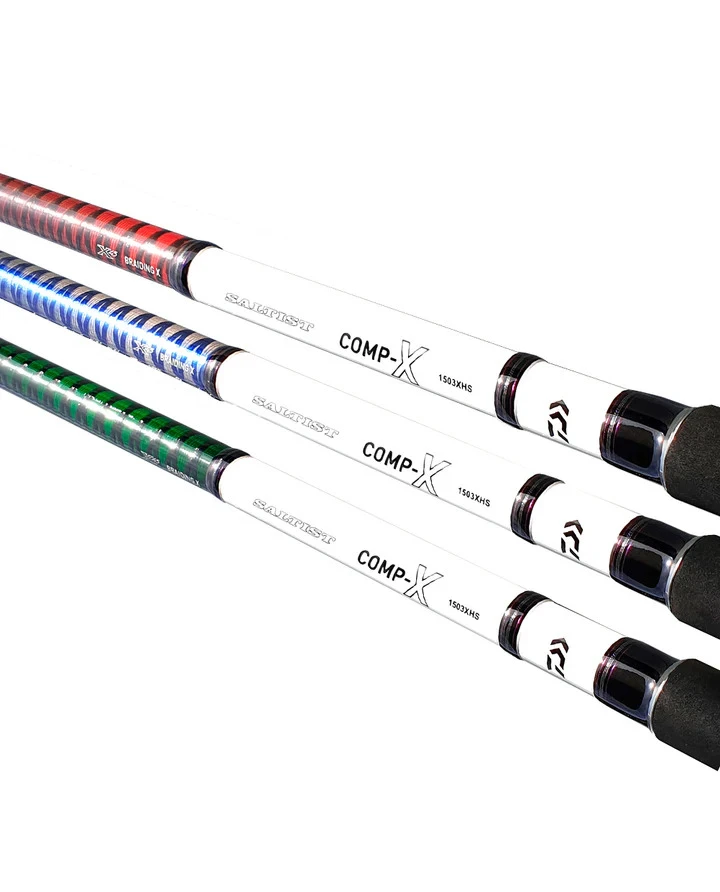
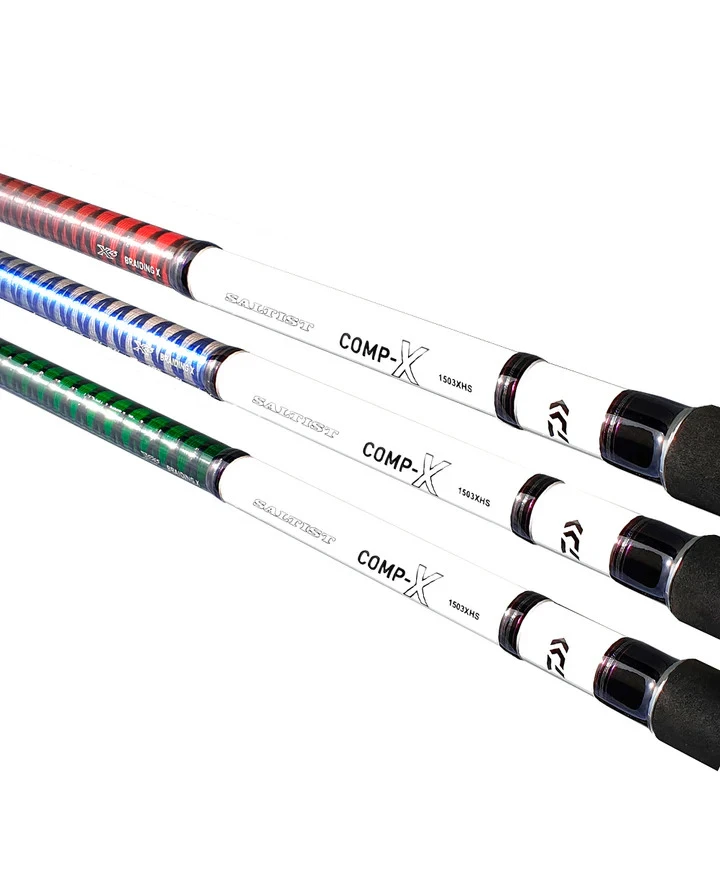
Surf rods are long fishing rods specifically designed for casting baits and lures beyond the breaking waves. Unlike standard rods, they are built for distance, durability, and control in tough marine environments.
These rods typically range from 9 to 14 feet in length and are crafted with materials that resist saltwater corrosion. They come in spinning and casting models to suit different preferences and fishing techniques.
“Switching to a 12-foot surf rod transformed my beach fishing game. I went from struggling to reach the fish to casting beyond the breakers with ease.”
— Marcus H., Surf Angler in Florida
Key Features to Look For
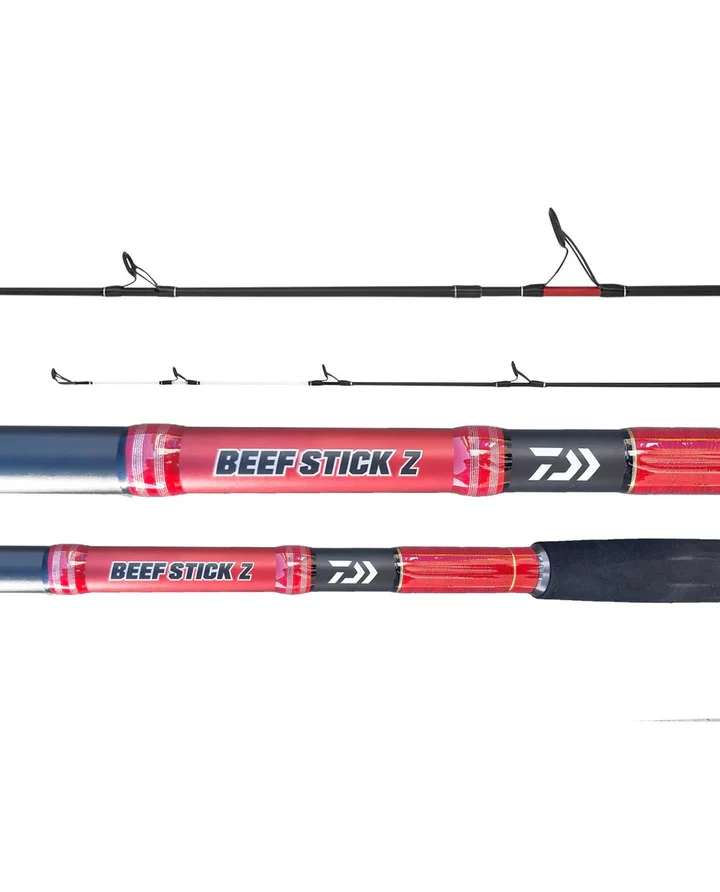
Choosing the right surf fishing rod depends on various factors, from target species to shoreline conditions. Here are a few crucial features to consider:
1. Rod Length
Longer rods (11–14 feet) allow for greater casting distance — ideal for reaching deeper waters from the beach. However, they can be challenging to transport and handle. Beginners often start with a 9–10 foot rod for a balance between control and reach.
2. Power and Action
- Rod power (light, medium, heavy) refers to the amount of force needed to bend the rod. For larger fish like striped bass or red drum, heavy power is essential.
- Action (fast, moderate, slow) indicates where the rod bends. Fast action rods bend near the tip, offering sensitivity and quick hook sets.
3. Material
Most surf rods are made from graphite or fiberglass. Graphite is lighter and more sensitive, while fiberglass offers durability and strength — a top choice for rough surf conditions.
4. Handle and Reel Seat
Look for non-slip, ergonomic handles that provide grip even when wet. Stainless steel or corrosion-resistant reel seats are crucial for saltwater environments.
Popular Use Cases
- Casual Beach Fishing: A medium-power 10-foot surf rod is great for weekend anglers targeting species like whiting and pompano.
- Trophy Hunters: For those chasing large surf species, a heavy-power 12–13 foot rod with a high-capacity reel is the standard.
- Travel Fishing: Many brands now offer travel-ready, multi-piece surf rods for portability without sacrificing performance.
FAQs About Surf Fishing Rods
What size surf rod should a beginner use?
A 9-10 foot medium-power rod is ideal for beginners — easy to handle and versatile for most beach conditions.
Are longer rods always better?
Not necessarily. Longer rods cast farther, but shorter ones are easier to manage. Match the rod length to your comfort level and fishing goals.
Can I use freshwater rods for surf fishing?
It’s not recommended. Freshwater rods lack the corrosion resistance and strength needed for saltwater surf conditions.
Tips for Maintaining Surf Rods
Even the best surf rods need proper care to last:
- Rinse with freshwater after every use.
- Check for salt build-up on guides and reel seats.
- Store rods vertically or in padded cases to prevent warping.
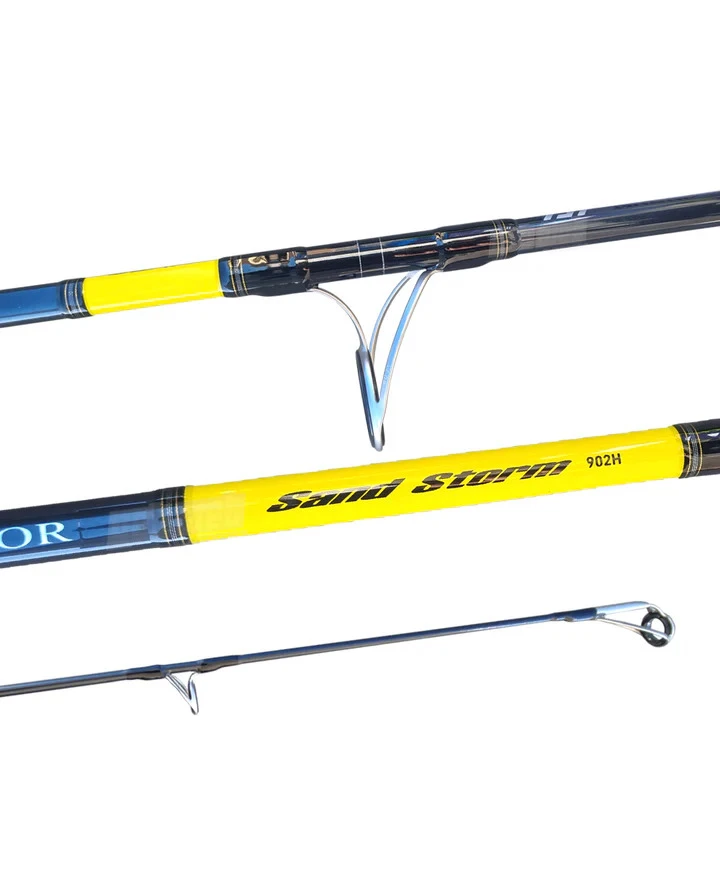
“I ruined my first surf rod by ignoring basic maintenance. A quick rinse after each session now keeps my gear in top shape.”
— Dana B., Recreational Angler
Final Thoughts
The right Fishing Accessories is more than just a tool — it’s an investment in a better fishing experience. Whether you're casting light baits for panfish or battling surf-dwelling giants, the right surf rod can make all the difference.



























Sign in to leave a comment.