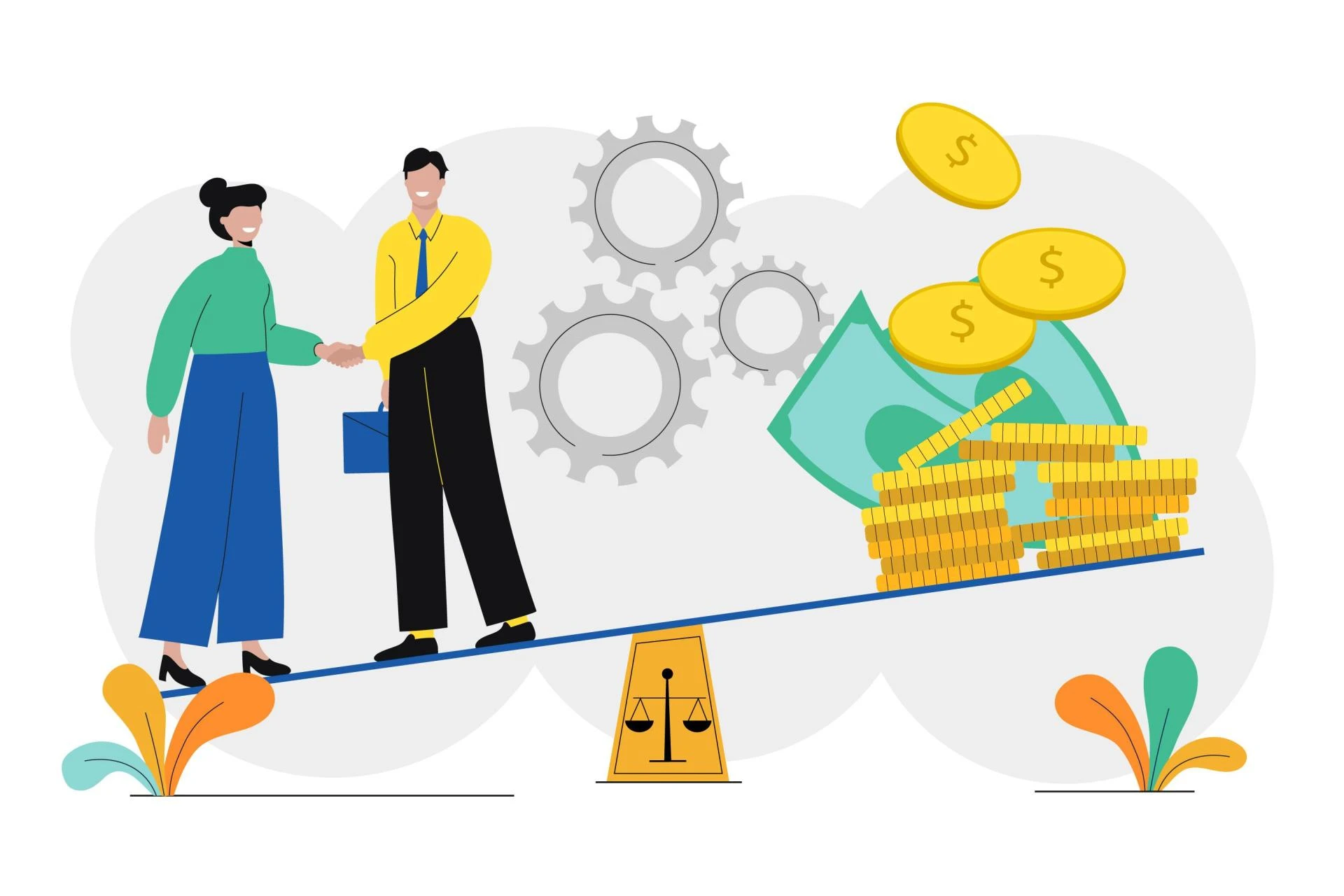

Surge pricing has become one of the most debated topics in the taxi and PHO industry. Operators know that charging more during high-demand periods is essential for profitability, driver availability, and service reliability. But passengers see it differently—many view surge pricing as unfair, unpredictable, or even manipulative.
This gap between operator needs and passenger perception is exactly where trust breaks down.
Before exploring how to use surge pricing without losing loyalty, operators can review how technology prevents fare disputes and improves transparency overall.
Understanding the mechanics behind passenger acceptance, pricing behaviour, and transparent communication helps operators implement higher prices confidently—without triggering backlash.
The Real Reason Surge Pricing Triggers Frustration
Contrary to popular belief, passengers don’t hate surge pricing itself—they hate surprises.
When customers see a fare jump without clear communication, they interpret it as:
- hidden fees
- unpredictable pricing
- operator manipulation
- unfair treatment
- exploitative behaviour during peak demand
This reaction is rooted in expectation mismatch, not the actual price.
Most riders are willing to pay more if they understand why. This is where surge pricing trust becomes a core operator strategy.
Why Surge Pricing Is Necessary (And Why You Shouldn’t Apologize For It)
Surge pricing is essential for:
- increasing driver supply when demand spikes
- reducing wait times
- balancing fleet availability
- covering higher operational costs
- rewarding drivers for peak-hour effort
- maintaining revenue stability
Without dynamic pricing, operators lose:
- peak-hour availability
- drivers to competitor platforms
- corporate reliability
- profit margins
Surge pricing isn’t optional—it’s a balancing mechanism that keeps your service running smoothly.
The key is implementing it with price transparency and clear communication, so customers view it as fair rather than opportunistic.
Transparent Pricing Is the Only Path to Passenger Acceptance
Passenger frustration usually stems from opacity—not the pricing itself. To overcome this, operators must make pricing explanations:
- obvious
- simple
- consistent
- visible before booking
- reinforced across channels
When passengers understand what they’re paying for, they’re far more accepting of price variations.
Modern fare engines help by displaying:
- real-time fare ranges
- time-based pricing rules
- distance and traffic-based adjustments
- clear surge notifications
- automated receipts showing cost breakdown
Yelowsoft provides these transparency tools through its fare management features, allowing operators to justify pricing clearly and confidently.
Four Ways to Charge More Without Damaging Customer Trust
Surge pricing works—when it’s paired with transparency. Here are four ways operators can implement higher fares with strong passenger acceptance.
1. Explain Surge Conditions in Plain Language
Riders should understand exactly why the price is higher.
Communicate factors such as:
- peak hour demand
- bad weather
- airport rush
- event-based spikes
- shortage of available cars
Short, clear explanations dramatically reduce customer frustration.
2. Show Real-Time Price Breakdowns
Passengers trust what they can see.
Before booking, display:
- base fare
- surge multiplier
- estimated distance
- estimated time
- additional charges
Post-trip, send receipts showing every component clearly itemized. This reduces disputes and positions the operator as transparent and trustworthy.
3. Reinforce Predictability With Notifications
Push notifications or in-app messages help passengers understand:
- when surge pricing is active
- how long it is expected to last
- upcoming low-demand windows
- alternative booking options
Predictability creates pricing fairness, even when fares increase.
4. Set Surge Caps to Maintain Brand Reputation
Ultra-high surge multipliers drive negative sentiment quickly.
A capped surge strategy:
- protects brand image
- prevents viral complaints
- keeps corporates comfortable
- ensures predictable revenue
Caps create a sense of ethical pricing—strengthening long-term retention.
Technology Is Essential for Surge Transparency
Surge communication must be automated. Manual explanations are slow, inconsistent, and impossible to scale.
Smart systems allow operators to:
- automate surge notifications
- use AI to guide surge thresholds
- apply GPS-backed pricing logic
- update rates instantly
- ensure consistent communication
- create indisputable digital fare proof
This dramatically reduces fare disputes—one of the biggest reasons passengers lose trust.
(For a deeper look at dispute prevention, revisit the detailed guide linked above.)
Transparency Doesn’t Hurt Revenue—It Strengthens It
Some operators fear that explaining surge pricing will make customers push back more. The opposite is true.
Transparent communication leads to:
- higher passenger acceptance
- fewer disputes
- more first-time-to-repeat conversions
- stronger business-fleet relations
- reduced customer frustration
- positive brand perception
In competitive markets, trust becomes your biggest revenue multiplier.
Final Thoughts: Surge Pricing + Transparency = Sustainable Growth
Surge pricing isn’t the enemy. Poor communication is.
Taxi operators can charge fairly—and profitably—when they use technology to:
- show clear fare breakdowns
- justify price changes
- reduce confusion
- eliminate disputes
- reinforce transparency
Customers don’t need the lowest price. They need the clearest one.




























Sign in to leave a comment.