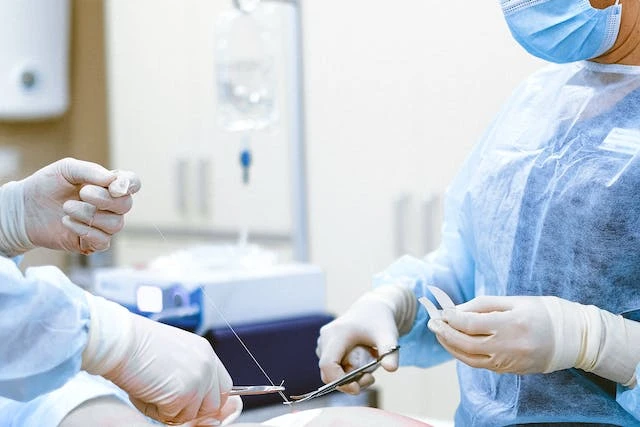

The diagnosis of oesophageal cancer is a sobering moment, necessitating a comprehensive and strategic approach to treatment. In the intricate landscape of combating this formidable disease, surgery for oesophageal cancer emerges as a pivotal cornerstone. This article delves into the state-of-the-art approaches in the surgical management of oesophageal cancer, exploring the evolution of techniques, breakthroughs, and the indispensable role that surgery plays in the holistic treatment paradigm.
Understanding Oesophageal Cancer: A Brief Overview
Before delving into surgical approaches, it is essential to understand the nature of oesophageal cancer. This malignancy, characterized by the abnormal growth of cells in the oesophagus, is often diagnosed at advanced stages, making effective treatment a complex task. Oesophageal cancer is broadly classified into two main types – squamous cell carcinoma and adenocarcinoma, each presenting unique challenges and considerations in surgical management.
Diagnostic Strategies and Patient Selection for Surgery
Accurate diagnosis and appropriate patient selection are crucial steps in the surgical management of oesophageal cancer. Endoscopic procedures, imaging studies, and biopsies play a pivotal role in determining the extent of the disease and assessing the feasibility of surgical intervention. Patient factors such as overall health, comorbidities, and the stage of cancer influence the decision-making process, guiding surgeons in selecting the most suitable candidates for surgery.
Conventional Surgical Approaches
Historically, conventional surgical approaches like open esophagectomy have been the primary methods for treating oesophageal cancer. This invasive procedure involves the removal of a portion of the oesophagus and reconstruction of the digestive tract. While effective, open esophagectomy is associated with significant morbidity and prolonged recovery times. However, advancements in surgical techniques have led to the evolution of minimally invasive alternatives.
Minimally Invasive Techniques: Revolutionizing Oesophageal Cancer Surgery
In recent years, minimally invasive techniques have gained prominence in the surgical management of oesophageal cancer, offering benefits such as reduced postoperative pain, faster recovery, and improved cosmetic outcomes. Laparoscopic and robotic-assisted approaches have revolutionized the field, allowing surgeons to perform complex procedures with enhanced precision and reduced trauma to surrounding tissues.
Key Advances in Surgical Technology
The integration of cutting-edge technology has played a pivotal role in advancing surgical approaches for oesophageal cancer. Surgical robots, equipped with advanced imaging and robotic arms, enable surgeons to navigate challenging anatomical structures with unparalleled precision. Additionally, innovations in 3D imaging, augmented reality, and fluorescence-guided surgery contribute to improved visualization and decision-making during surgery.
Multidisciplinary Collaboration: The Cornerstone of Oesophageal Cancer Care
Surgery for oesophageal cancer is not a standalone treatment; rather, it is a crucial component of a multidisciplinary approach. Collaboration between surgeons, oncologists, radiologists, and other healthcare professionals is imperative for optimal patient outcomes. Preoperative and postoperative care, including neoadjuvant and adjuvant therapies, nutritional support, and surveillance, are integral parts of the comprehensive care continuum.
Challenges and Complications in Oesophageal Cancer Surgery
Despite the progress in surgical techniques, challenges and complications remain inherent in oesophageal cancer surgery. Anastomotic leaks, pulmonary complications, and postoperative reflux are among the potential issues that demand careful management. Ongoing research aims to address these challenges, with a focus on refining surgical approaches and improving patient outcomes.
Future Directions and Emerging Trends
The landscape of oesophageal cancer surgery continues to evolve, driven by ongoing research and technological advancements. Emerging trends include the exploration of immunotherapy in conjunction with surgery, the development of personalized treatment strategies based on genetic profiling, and the refinement of minimally invasive techniques. As our understanding of the molecular and genetic aspects of oesophageal cancer deepens, targeted therapies may become integral to the surgical armamentarium.
Conclusion: Navigating the Future of Oesophageal Cancer Surgery
In the dynamic landscape of oesophageal cancer surgery, we witness a transformative shift towards state-of-the-art approaches that prioritize patient outcomes and recovery. From traditional open procedures to the precision of minimally invasive techniques, surgical interventions are now more refined and less invasive. The integration of advanced technology, multidisciplinary collaboration, and a patient-centric focus mark the forefront of progress.
Furthermore, it is essential to acknowledge that as we delve into the future of surgical advancements, similar innovation is shaping the landscape of gallbladder stone treatment. Technological strides and evolving therapeutic strategies are revolutionizing the approach to gallbladder stones, emphasizing less invasive options and improved patient experiences. The synergy between these two fields exemplifies the broader trend towards tailored, sophisticated surgical care, promising a future where patients can confidently navigate diverse treatment options for various digestive system challenges, including oesophageal cancer and gallbladder stone treatment.



























Sign in to leave a comment.