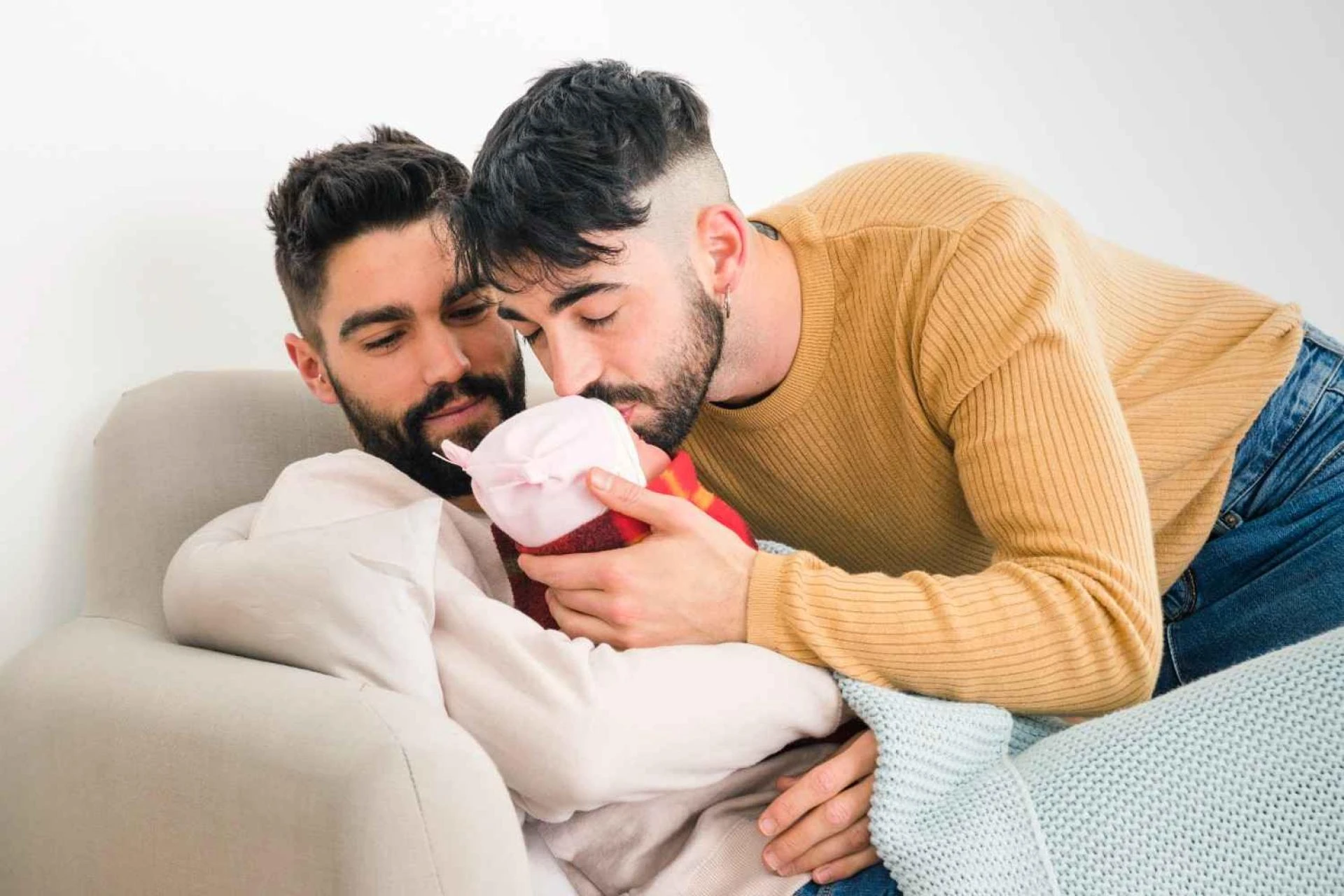

For many years, HIV-positive couples believed that having a biological child was impossible or too risky. Today, medical science has completely changed that reality. Thanks to advanced reproductive technologies such as sperm washing, modern IVF protocols, and strict clinical guidelines, surrogacy for HIV couples is safer and more successful than ever. In fact, HIV transmission to the surrogate or baby can now be reduced to nearly zero when proper procedures are followed.
This guest post explains how sperm washing works, its success rates, safety standards, and why states like New Jersey—especially regions such as Marlton—are becoming trusted hubs for HIV surrogacy.
What Is Sperm Washing and Why Is It Important?
Sperm washing is a specialized laboratory process used to separate healthy sperm cells from seminal fluid, which is where HIV is usually found. The goal is straightforward:
- Remove HIV-infected particles
- Preserve healthy sperm for fertilization
- Ensure safe IVF treatment for the surrogate
The technique involves:
- Centrifugation – separating sperm from seminal plasma
- Density gradient wash – isolating the most active, healthiest sperm
- PCR testing – confirming that washed sperm contains no detectable HIV
Once cleared, the washed sperm is used for IVF or ICSI (Intracytoplasmic Sperm Injection). This technology has been used globally for over 25 years with extremely high safety records.
Is Surrogacy Safe for HIV-Positive Intended Parents?
Yes. When performed under recommended safety standards, surrogacy for HIV couples is considered extremely safe.
Key safety measures include:
- Sperm washing with PCR verification
- IVF performed at an FDA-compliant fertility laboratory
- Strict infectious disease screening
- Antiretroviral therapy (ART) for the HIV-positive partner
- Viral load monitoring to ensure “undetectable = untransmittable”
With these steps, the risk of HIV transmission to the surrogate or the baby is virtually zero.
This is why demand for HIV surrogacy New Jersey has grown—New Jersey has clear legal protections, advanced fertility clinics, and agencies experienced in handling HIV-related surrogacy cases.
Success Rates of Sperm Washing for HIV Surrogacy
Global data and U.S. clinical reports show that:
- More than 15,000 babies have been born worldwide from washed sperm to HIV-positive men
- No cases of transmission to the surrogate or baby have been reported when proper protocols were followed
- Overall IVF success rates using washed sperm are similar to standard IVF outcomes
On average, fertility centers using washed sperm report:
- 50%–65% embryo fertilization rate
- 40%–60% pregnancy rate per embryo transfer, depending on maternal age
- Healthy, HIV-negative infants in nearly 100% of cases
This makes sperm washing one of the most successful and trusted methods for surrogacy for HIV couples.
Why New Jersey Is Emerging as a Center for HIV Surrogacy
New Jersey is one of the most surrogacy-friendly states in the U.S., offering a combination of supportive laws, modern clinics, and specialized agencies.
Key reasons families choose HIV surrogacy in New Jersey:
1. Strong Legal Protection
New Jersey’s Gestational Carrier Agreement Act protects:
- Intended parents
- Gestational carriers
- ART medical teams
- Legal parentage after birth
This gives HIV-positive individuals and couples the confidence to pursue family-building without legal uncertainty.
2. Advanced Fertility Clinics
Many IVF centers across the state are experienced in handling:
- Sperm washing
- PCR viral clearance testing
- ICSI for HIV-positive patients
This makes Surrogacy for HIV positive New Jersey a reliable and safe option.
3. Marlton: A Growing Surrogacy Hub
Marlton, NJ, in particular, has become associated with professional surrogacy agencies and supportive environments for diverse family structures. There is increasing awareness, education, and resources for topics such as:
- Safe surrogacy for HIV-positive men
- Support for same-sex couples
- Guidance for finding a surrogate mother HIV positive in Marlton, or, more commonly, a healthy surrogate willing to participate in an HIV-friendly protocol
It’s important to note that the surrogate herself does not need to be HIV positive. In standard cases, surrogates are HIV-negative and protected by modern medical safeguards that eliminate transmission risk.
Step-by-Step Process of HIV Surrogacy Using Sperm Washing
Here’s how the journey typically works:
1. Medical Evaluation
The HIV-positive partner undergoes:
- Viral load test
- STD screening
- ART therapy optimization
- Consultation with an infectious disease specialist
2. Sperm Washing & PCR Testing
The sample is processed at a specialized lab, and in HIV surrogacy New Jersey protocols, only once the sperm tests ‘HIV undetectable does IVF proceed.
3. Surrogate Matching
A gestational carrier undergoes medical, psychological, and lifestyle screening. Agencies in New Jersey and Marlton guide intended parents through the matching process.
4. Legal Agreements
Attorneys draft a legally binding Gestational Carrier Agreement to protect all parties.
5. IVF & Embryo Transfer
Washed sperm is used to fertilize donor eggs or the intended mother’s eggs. The embryo is then transferred to the surrogate.
6. Pregnancy Monitoring
Both the fertility clinic and obstetric team closely monitor the surrogate throughout pregnancy.
7. Birth & Parentage
New Jersey law ensures that intended parents receive legal parentage rights immediately after the birth of the child.
Is the Surrogate at Risk of HIV Transmission?
With modern safety protocols, no known cases of HIV transmission to a surrogate have been documented through washed sperm IVF.
Clinical safeguards include:
- Washed sperm free from detectable HIV
- No sexual contact between the surrogate and intended father
- Controlled IVF laboratory conditions
- Routine health screenings during pregnancy
These procedures ensure that the surrogate mother remains fully protected.
Final Thoughts: Building a Family Safely and Confidently
The combination of sperm washing, strict clinical standards, and progressive surrogacy laws has opened the door for HIV-positive individuals and couples to experience the joy of biological parenthood. Whether you live locally or internationally, choosing HIV surrogacy New Jersey provides safety, medical excellence, and legal clarity.
If you are considering surrogacy in Marlton, NJ—or looking for expert guidance on surrogacy for HIV couples—you can explore trusted services and personalized support at Gateway Surrogacy, where experienced professionals help HIV-positive families build their future with confidence. Contact us today!
Reference: https://blogingers.com/surrogacy-for-hiv-couples-using-sperm-washing-success-rates-safety-standards/






























Sign in to leave a comment.