
As the global community pivots towards a more sustainable future, the quest for cleaner and renewable energy solutions has never been more critical. Sustainable energy is not just an environmental aspiration but a practical necessity for a world grappling with climate change. In this blog, we explore the myriad ways in which sustainable energy solutions are transforming our energy landscape, promising a brighter and greener future.
The Rise of Renewable Energy
Solar Power Revolution
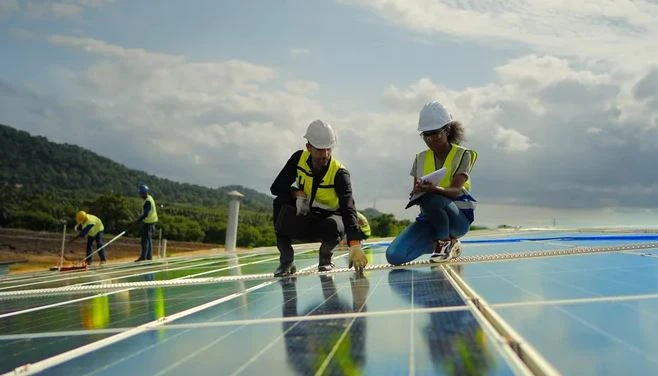
Solar energy stands at the forefront of the renewable energy revolution. Harnessing the power of the sun, solar panels convert sunlight into electricity, providing a clean and abundant energy source. The scalability of solar installations, from small residential setups to large-scale solar farms, makes it a versatile solution for powering homes, businesses, and entire communities.
Wind Energy Innovation
Wind energy, propelled by the natural force of the wind, has undergone significant innovation. Wind turbines now tower over landscapes, generating substantial amounts of electricity. Offshore wind farms harness strong coastal winds, opening new frontiers in sustainable energy production and reducing dependence on fossil fuels.
Sustainable Energy for Transportation
Electric Vehicles (EVs)
The shift towards sustainable transportation is exemplified by the rise of electric vehicles (EVs). Powered by electricity, EVs produce zero tailpipe emissions, contributing to improved air quality and reduced reliance on conventional fuels. As charging infrastructure expands, EVs become a pivotal player in reducing the carbon footprint of the transportation sector.
Sustainable Aviation
In the aviation industry, sustainable energy solutions are making headway. From electric aircraft to the development of biofuels, innovations are aimed at curbing emissions from air travel. Sustainable aviation is not just a buzzword; it's a commitment to redefining the future of air transportation.
Smart Grids and Energy Storage
Grid Modernization
The integration of smart grids revolutionizes the way energy is generated, distributed, and consumed. Smart grids leverage digital technology to enhance efficiency, reliability, and sustainability in the energy infrastructure. Real-time monitoring, demand response, and grid optimization are key components driving the transition to intelligent energy systems.
Energy Storage Solutions
The intermittent nature of renewable energy sources necessitates robust energy storage solutions. Advances in battery technology, such as lithium-ion batteries, are enabling efficient storage of excess energy generated during peak times. This stored energy can then be seamlessly released during periods of high demand or when renewable sources are less productive.
Sustainable Energy in Buildings
Net-Zero Energy Buildings
The concept of net-zero energy buildings is gaining momentum in sustainable construction. These buildings generate as much energy as they consume, often incorporating solar panels, energy-efficient systems, and insulation to minimize energy demand. Net-zero energy buildings showcase the potential for sustainable energy integration in the built environment.
Energy-Efficient Technologies
The adoption of energy-efficient technologies, such as LED lighting, smart thermostats, and energy-efficient appliances, contributes to sustainable energy consumption in homes and businesses. These technologies not only reduce energy bills but also play a crucial role in minimizing overall energy demand.
The Path Forward: Global Collaboration
International Commitments
Global efforts, such as the Paris Agreement, underscore the importance of international collaboration in addressing climate change. Countries worldwide are committing to reducing carbon emissions and increasing investments in sustainable energy infrastructure. This united front signifies a collective determination to transition towards a more sustainable and resilient energy future.
Corporate Responsibility
Businesses are recognizing the significance of corporate responsibility in sustainability. Many companies are incorporating sustainable energy practices into their operations, not only to meet regulatory requirements but also to align with consumer expectations for environmentally conscious business practices.
Advanced Solar Technologies
Thin-Film Solar Cells
The evolution of solar technology goes beyond traditional photovoltaic cells. Thin-film solar cells, made from lightweight and flexible materials, offer new possibilities for integration into various surfaces. From solar windows to solar-coated fabrics, these innovations expand the reach of solar energy applications, making it a more accessible and versatile solution.
Perovskite Solar Cells
Perovskite solar cells represent a promising frontier in solar technology. With their efficiency approaching that of traditional silicon-based cells, perovskite cells are more cost-effective and easier to manufacture. This breakthrough has the potential to revolutionize the solar industry, making solar energy even more competitive in the broader energy landscape.
The Promise of Green Hydrogen
Electrolysis for Clean Hydrogen Production
Green hydrogen, produced through electrolysis using renewable energy sources, is gaining traction as a clean and versatile energy carrier. This process involves splitting water into hydrogen and oxygen, utilizing excess renewable energy during periods of high production. Green hydrogen has applications in industries such as manufacturing, transportation, and energy storage.
Hydrogen Fuel Cells for Transportation
Hydrogen fuel cells are emerging as a viable alternative for zero-emission transportation. From fuel cell vehicles to buses and even trains, the versatility of hydrogen as a clean fuel source offers a promising solution to reduce emissions in the transportation sector. The development of a hydrogen infrastructure is key to unlocking the full potential of this technology.
Conclusion
Sustainable energy solutions are not merely a technological advancement; they represent a paradigm shift in how we power our world. From harnessing the sun and wind to electrifying transportation and reimagining our buildings, the journey towards sustainability is multifaceted and dynamic. As we navigate this path, the collective impact of individuals, businesses, and nations working towards a greener tomorrow becomes the driving force propelling us into a sustainable energy future.










Sign in to leave a comment.