

In an era where environmental consciousness is increasingly important, integrating sustainability into interior design has become a top priority for homeowners. Creating an eco-friendly home not only reduces our carbon footprint but also promotes a healthier and more sustainable lifestyle. Today, we will explore sustainable interior design ideas given by top interior designers in Noida that can transform your home into an environmentally friendly haven. Whether you are renovating your space or starting from scratch, these ideas will inspire you to make conscious choices that contribute to a greener future.
Embrace Natural and Recycled Materials:
When it comes to sustainable interior design, choosing natural and recycled materials is key. Opt for furniture and flooring made from sustainably sourced wood or bamboo, which are renewable resources. Consider using reclaimed wood for shelves, countertops, or accent pieces to add rustic charm and reduce the demand for new materials. Additionally, explore options like recycled glass for countertops and tiles, which not only look stunning but also minimize waste.
Optimize Natural Lighting and Ventilation:
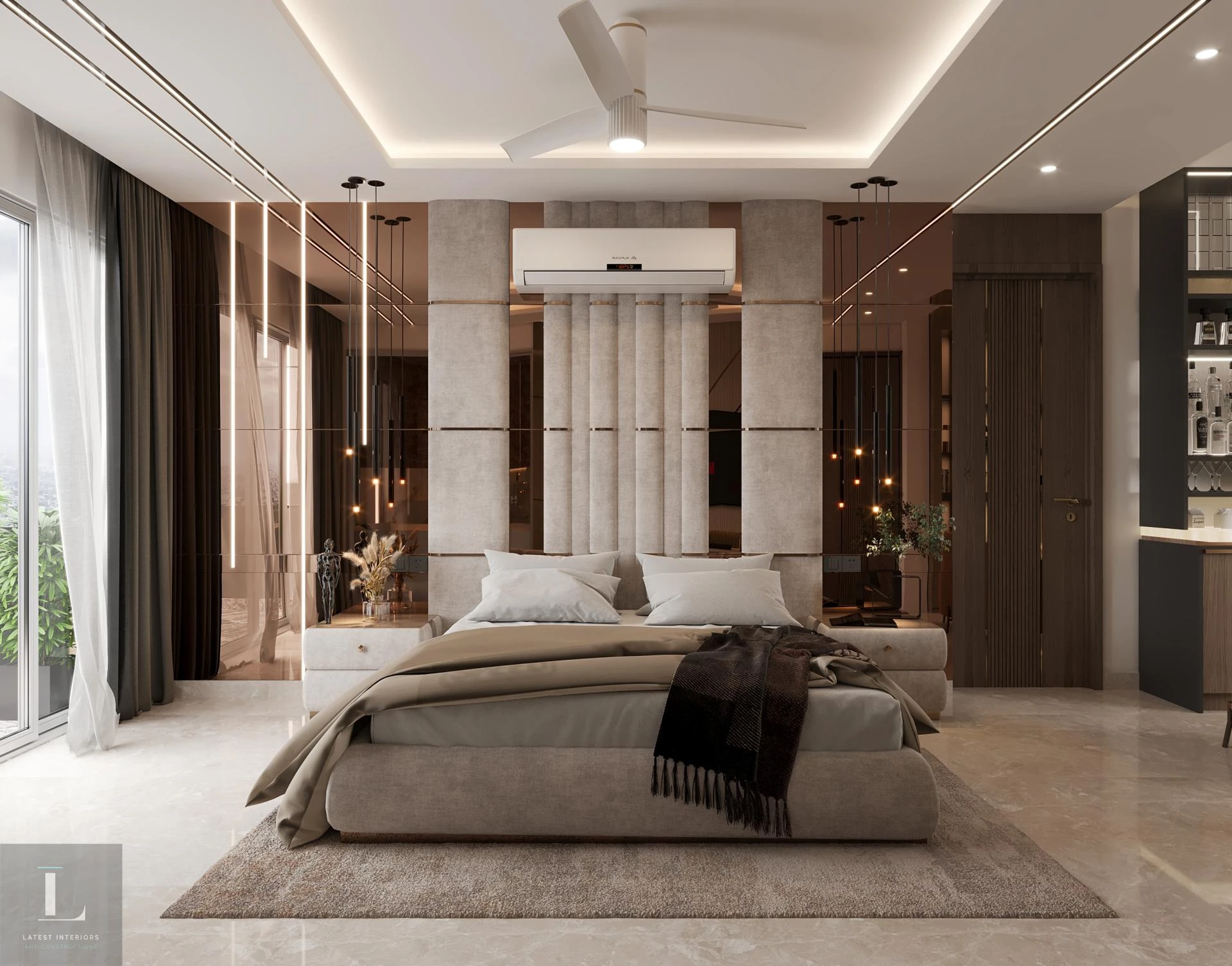
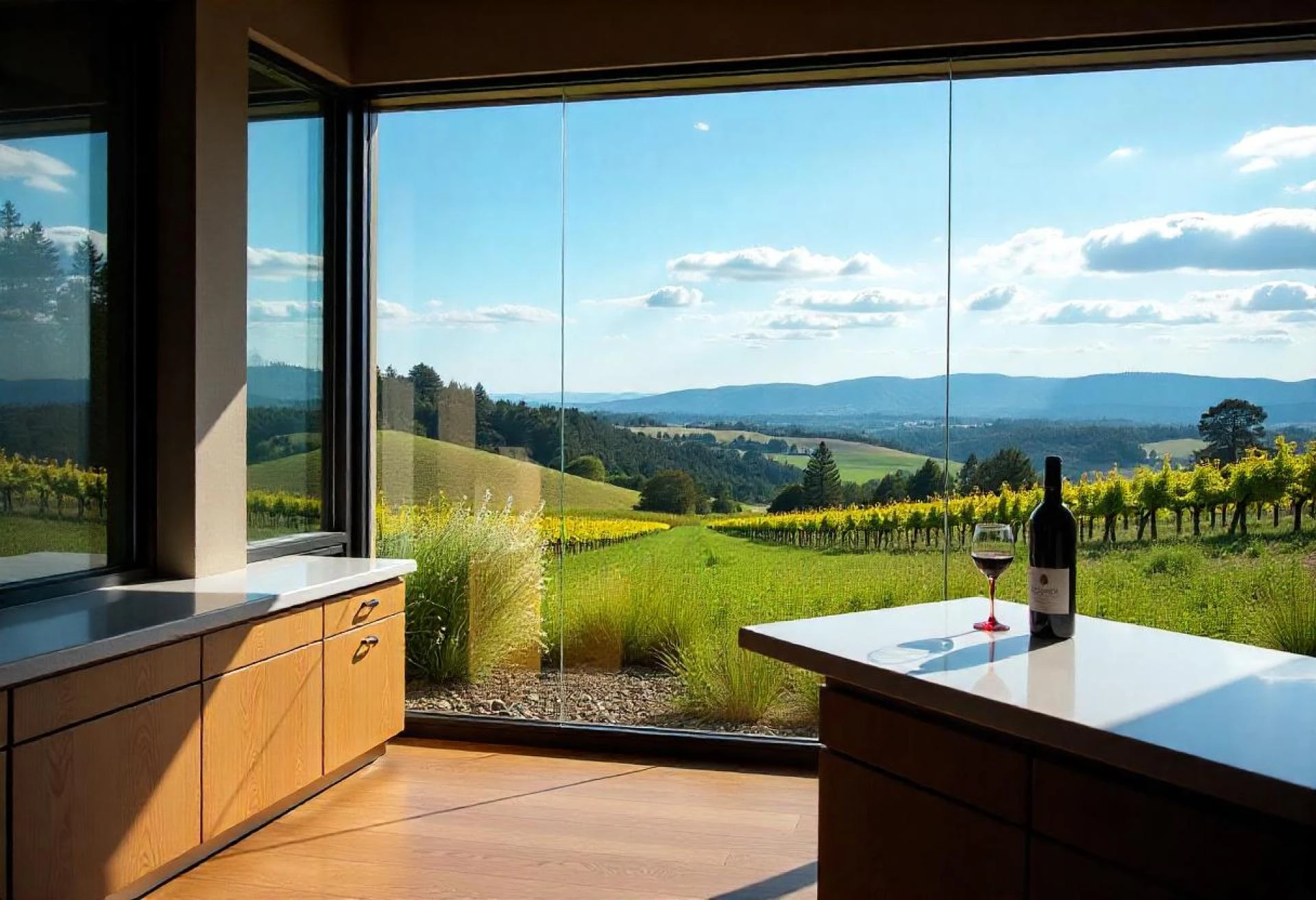
Maximizing natural lighting and ventilation is not only energy-efficient but also enhances the overall well-being of your home. During the design phase, consider the placement of windows, skylights, and light wells to allow ample natural light to enter your space. This reduces the need for artificial lighting during the day. To promote natural airflow, strategically position windows and incorporate features such as operable skylights or ceiling fans. This ensures proper ventilation and minimizes reliance on air conditioning.
Utilize Smart Home Technology:
Incorporating smart home technology can significantly enhance the sustainability of your interior design. Install smart thermostats that learn your temperature preferences and optimize energy usage for heating and cooling. Use automated systems to control lighting, allowing you to customize lighting levels and schedules for energy efficiency. Smart power strips and outlets can detect energy wastage and automatically power off idle devices, reducing standby power consumption. Integrating these technologies allows you to monitor and control energy usage, resulting in both environmental and cost savings.
Choose Low VOC and Eco-Friendly Materials:
Volatile Organic Compounds (VOCs) are harmful chemicals emitted by many paints, adhesives, and furnishings, contributing to indoor air pollution. When selecting materials for your home, look for low or zero VOC options. Water-based paints, natural adhesives, and eco-friendly upholstery fabrics are excellent choices that minimize the release of harmful chemicals. This not only benefits your health but also reduces the environmental impact during the manufacturing and use of these materials.
Integrate Energy-Efficient Lighting and Appliances:
Reducing energy consumption is a vital aspect of sustainable interior design. Invest in energy-efficient lighting options, such as LED bulbs, which consume significantly less energy and have a longer lifespan than traditional incandescent bulbs. Consider installing motion sensors or smart lighting systems that automatically turn off lights when a room is unoccupied. Similarly, choose energy-efficient appliances with high Energy Star ratings, which consume less electricity while delivering the same performance.
Implement Water-Saving Features:
Conserving water is another crucial element of sustainable interior design. Install low-flow faucets and showerheads that reduce water usage without compromising functionality. Consider dual-flush toilets or water-saving flush mechanisms to minimize water wastage. Additionally, incorporate rainwater harvesting systems to collect and reuse rainwater for non-potable purposes like irrigation or toilet flushing. These simple changes can significantly reduce your household's water consumption and contribute to water conservation efforts.
Incorporate Biophilic Design Elements:
Biophilic design aims to connect people with nature by integrating natural elements into the built environment. Incorporating biophilic design elements in your home not only enhances its aesthetic appeal but also promotes well-being and sustainability. Consider adding indoor plants, living walls, or vertical gardens to purify the air and create a calming atmosphere. Introduce natural materials like stone, wood, and natural fibers to bring the outdoors inside. These elements not only contribute to a healthier indoor environment but also create a strong connection to nature.
Emphasize Waste Reduction and Recycling:
Designing a sustainable home involves minimizing waste and embracing recycling practices. Incorporate ample storage solutions to keep your space organized and reduce clutter. Opt for reusable items like cloth napkins instead of disposable ones, and encourage recycling by having dedicated bins for different types of recyclable materials. Consider repurposing old furniture or decor items instead of discarding them. By reducing waste and adopting recycling practices, you contribute to a circular economy and reduce the strain on natural resources.
Seeking Professional Guidance:
While implementing sustainable interior design ideas, seeking the expertise of interior designers in Noida can greatly assist you in making informed decisions and achieving your eco-friendly goals. The best interior designers in Noida have a deep understanding of sustainable design principles and can guide you in selecting environmentally conscious materials, optimizing energy usage, and creating a beautiful and sustainable home.
Conclusion:
Embracing sustainable interior design is a powerful way to create an eco-friendly home that promotes a healthier and more conscious lifestyle. By incorporating natural and recycled materials, optimizing natural lighting and ventilation, choosing eco-friendly materials, integrating energy-efficient lighting and appliances, and implementing water-saving features, you can significantly reduce your environmental impact. For personalized and custom interior design solutions that align with your sustainability goals, consider consulting professionals like Latest Interiors, one of the best interior designers in Noida. Our expertise and commitment to sustainable design will help you create a home that is not only aesthetically pleasing but also environmentally responsible.












Sign in to leave a comment.