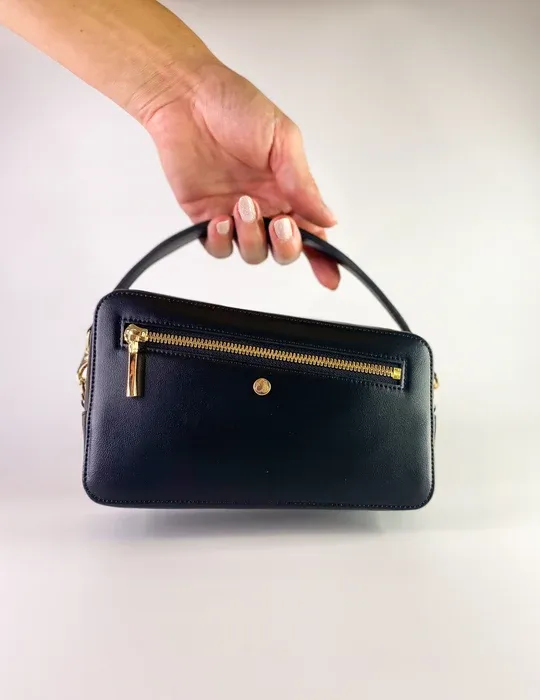

New York City has no shortage of places to buy a handbag. Walk down any block in SoHo or scroll through Instagram for five minutes and you'll find more options than you can reasonably evaluate. Most of them will tell you they're sustainable. Most of them won't be able to back that up with much detail.
Buying a genuinely sustainable leather bag one that holds up, looks good, and actually does what it claims environmentally takes a bit more thought than picking the prettiest option. Here's what to actually look for.
1. Understand What "Sustainable Leather" Actually Means
This is where a lot of shoppers get tripped up. "Sustainable leather" is not a regulated term. Anyone can put it on a tag.
What you want to know specifically is where the leather came from and how it was processed. Recycled leather made from leather offcuts, scraps, and waste materials that would otherwise go to landfill is a meaningfully different thing from conventionally tanned leather with a green label slapped on it.
At Emily Jones NYC, the bags are made from recycled leather sourced from waste materials and deadstock leather that would have ended up in landfill. The lining inside every bag is made from recycled plastic bottles. That's a specific, verifiable claim not marketing language.
2. Check Where It's Actually Made
Designed in New York and made in New York are two very different things. The first tells you where someone had the idea. The second tells you where the bag actually exists as a physical object.
Made in NYC handbags carry a genuinely different value proposition local craftsmanship, shorter supply chains, direct accountability for working conditions, and support for New York's creative manufacturing community. Emily Jones NYC bags are crafted entirely in New York City by local artisans. Materials are sourced from within the United States wherever possible.
If a brand can't tell you specifically where production happens, that's worth noting.
3. Think About Longevity, Not Just Materials
A sustainable bag that falls apart in eighteen months isn't sustainable. It's just a bag with better marketing.
The environmental calculus on handbags is heavily weighted toward longevity. A well-made bag used for five or ten years has a dramatically lower environmental footprint than three cheaper bags bought over the same period regardless of what materials any of them are made from.
When you're evaluating a bag, look at the hardware, the stitching, the weight of the material, and how the seams are finished. These aren't luxury details they're durability indicators. A recycled leather crossbody bag from a brand that takes construction seriously will outlast a conventionally made bag that cuts corners on finishing.
4. Consider the Colour and Versatility
This is less obviously a sustainability point, but it's a real one. A bag you actually use every day is a sustainable choice. A bag that sits in your wardrobe because it only works with certain outfits isn't.
Chestnut is one of the most versatile bag colours you can buy it works with black, navy, grey, camel, white, and most prints without effort. Emily Jones NYC's chestnut handbags NYC range including the Chestnut Dover Top Handle Bag and the Chestnut Amsterdam Triangle Crossbody are designed as genuinely everyday pieces. Not seasonal. Not occasion-specific. Just bags that work.
5. Look at the Packaging
It's a small thing, but it tells you something about whether a brand's sustainability commitments go all the way through the business or stop at the product.
Emily Jones NYC ships in boxes made from 100% recycled materials with 95% post-consumer content, produced in the US. The box arrives as something you can reuse or recycle not something that immediately becomes waste.
6. Ask About the Brand's Local Community Commitments
Sustainability isn't only environmental. Supporting local artisans, keeping production close, and investing in a creative community matters too especially in a city like New York where manufacturing jobs have been disappearing for decades.
Emily Jones NYC is explicit about this. As a NYC-based brand, supporting local production isn't just a supply chain decision it's a commitment to keeping New York's creative community working and thriving.
7. Don't Confuse Minimalism With Sustainability
Simple branding and neutral colour palettes are often used as visual shorthand for "sustainable." They're not the same thing. A brand can look very calm and considered and still be producing bags in factories with zero transparency.
The question to ask is always: what specifically makes this sustainable? If the answer involves materials, supply chain, production location, and packaging you're dealing with a brand that's thought it through. If the answer is vague, trust your instincts.
Conclusion
Buying a sustainable leather bag in NYC comes down to asking the right questions about materials, where it's made, how it's built, and whether the brand's sustainability claims are specific or vague. Emily Jones NYC was built around those questions from the start. Recycled leather, recycled bottle linings, made by New Yorkers in New York, shipped in recycled packaging. Not a green story laid over a conventional product a genuinely different way of making bags. If you're looking for a bag that does what it says and lasts long enough to matter, that's where to start.
FAQ
What is a recycled leather crossbody bag made from?
At Emily Jones NYC, recycled leather crossbody bags are made from leather waste materials and deadstock leather that would otherwise have gone to landfill combined with linings made from recycled plastic bottles. Each bag uses materials that already existed rather than requiring new resource extraction.
Why does buying made in NYC handbags matter?
Made in NYC handbags support local artisans and manufacturing communities, reduce supply chain distance and associated emissions, and offer direct accountability for how and where the bag was made. Emily Jones NYC produces entirely in New York City with US-sourced materials wherever possible.
Are chestnut handbags NYC a practical everyday choice?
Absolutely. Chestnut is one of the most versatile bag colours available it pairs naturally with the full range of colours most people wear daily. Emily Jones NYC's chestnut range, including the Dover Top Handle and Amsterdam Triangle Crossbody, is designed specifically for everyday use rather than occasional wear.























Sign in to leave a comment.