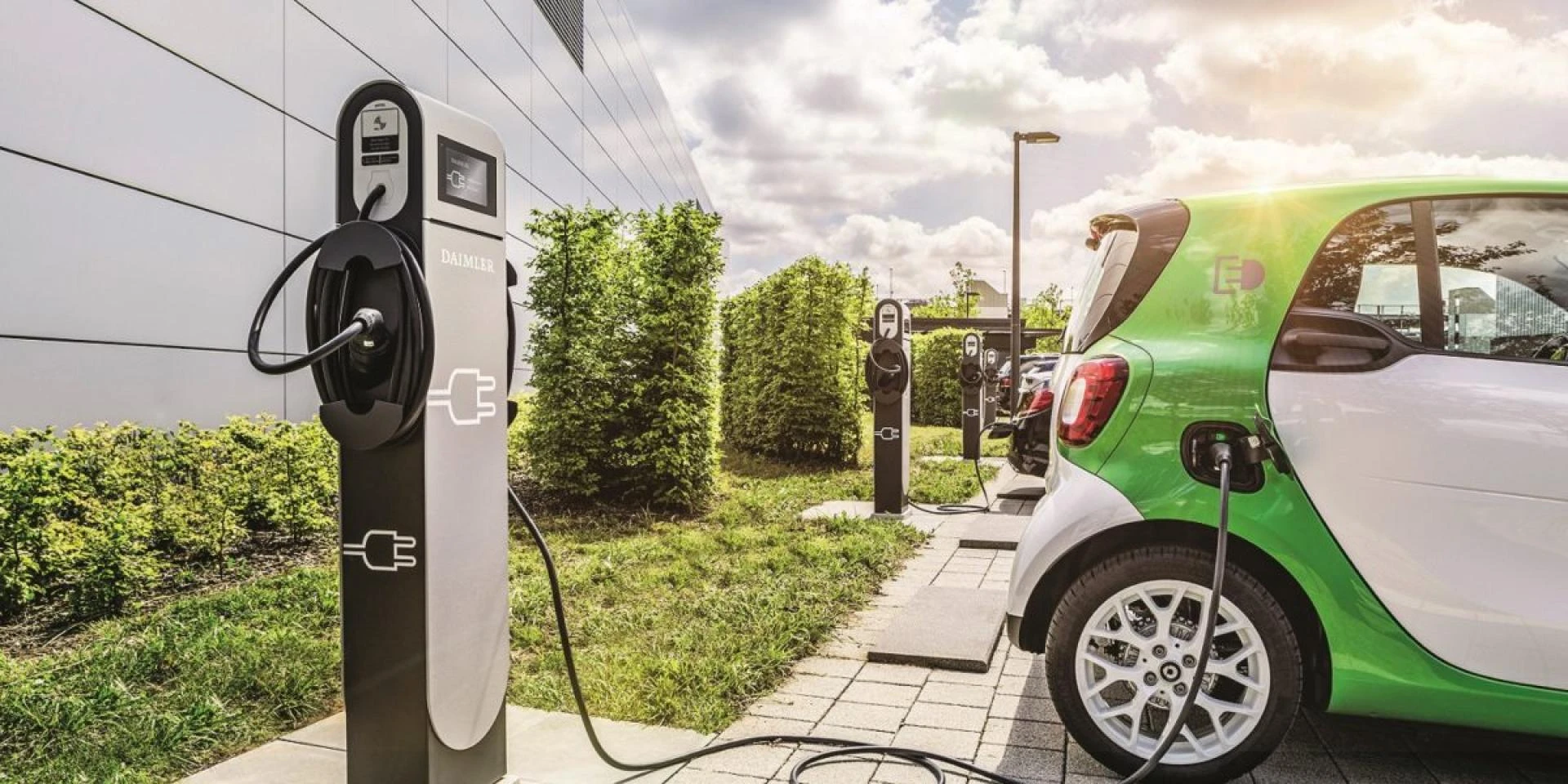

Electric Vehicle Charging Station (EVCS) design is a crucial component in the transition to sustainable transportation. Effective EVCS design not only enhances the user experience but also integrates seamlessly into the surrounding environment, supporting the widespread adoption of electric vehicles (EVs).
A well-designed EVCS considers factors such as location, accessibility, and energy efficiency. Strategically placing stations in high-traffic areas, such as urban centers, shopping malls, and highways, ensures convenient access for users. The layout of the station should prioritize ease of use, allowing vehicles of different sizes to maneuver comfortably and charge without obstruction.
Incorporating renewable energy sources, like solar panels, into the design can further enhance sustainability. These stations can be equipped with energy storage systems to manage peak demand and reduce reliance on the grid. Additionally, EVCS design should consider future-proofing by accommodating various charging technologies, from fast chargers to wireless options.
User experience is central to effective EVCS design. Clear signage, intuitive interfaces, and real-time information on charger availability and pricing are essential. Integrating amenities like shelters, seating, and Wi-Fi can make charging a more pleasant experience, encouraging longer stays and increased usage.
Aesthetics also play a role in EVCS design, with stations often reflecting modern architectural trends or blending into their surroundings. By balancing functionality, sustainability, and user-friendliness, EVCS design can significantly contribute to the acceleration of electric vehicle adoption, making clean transportation more accessible to all.









Sign in to leave a comment.