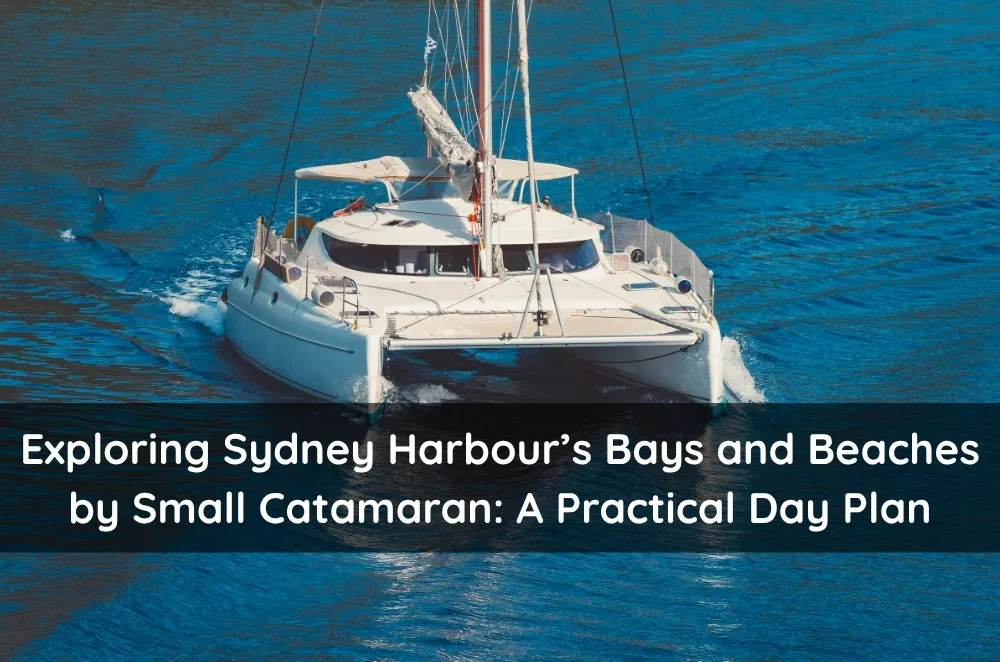

Sydney Harbour can feel like a maze from land—ferries crossing, coves tucked behind headlands, and beaches you don’t notice until you’re right beside them.
A small catamaran day works best when you plan for comfort and flow first: timing, what you’ll actually do on board, and how you’ll keep the day relaxed if conditions change.
For many people, that starts with finding a local catamaran hire around the harbour that matches your group size, confidence level, and the kind of day you want.
Choose the kind of day you actually want
Before you think about routes, decide what “a great day” looks like for your group.
Some groups want a swim-and-chill day with one or two stops and plenty of time to float, snack, and talk.
Others want a sightseeing cruise with landmark photos, a picnic moment, and a simple loop that keeps everyone comfortable.
If you’re mixing ages or experience levels, aim for a slower rhythm: fewer stops, more time settled, and fewer “everyone move now” transitions.
Decision factors that shape the whole experience
Timing and conditions
The best timing is the one that suits your group’s energy and logistics.
Earlier starts can feel calmer and give you more flexibility, while later sessions can be great for golden light but less forgiving if people arrive late.
Build your plan around a realistic “settle-in” period so you’re not trying to do the best part of the day while everyone’s still getting their bearings.
Group size and on-board flow
Small boats reward simple movement.
If everyone is constantly stepping over bags, eskies, and each other, the day will feel cramped even if it’s a beautiful route.
Think about where people will sit, where food will be, and how you’ll keep walkways clear.
Comfort basics: shade, wind, and wet gear
Harbour days can change quickly from warm to breezy.
Even in good weather, wind on the water can make people feel cooler than expected, so a comfort plan matters more than a “perfect forecast”.
A simple briefing for guests—layers, sun protection, and sensible footwear—prevents most avoidable discomfort.
Pickup logistics and “late arrival” reality
Wharf logistics are where good plans unravel.
Choose a meeting point that’s easy to describe, and set one clear arrival time with a buffer baked in.
Decide ahead of time what happens if someone is late, because trying to negotiate it on the spot can drag the whole group into stress.
Common mistakes that turn a great day into a fiddly one
Overpacking is the quiet killer: too much food, too many drinks, and too many “just in case” items that clutter the deck.
Another common mistake is building an itinerary that’s too ambitious—lots of stops, tight timing, and constant movement.
Many groups forget that people need a settling period, especially first-timers who are figuring out balance, wind, and where to put their stuff.
Not having a simple “if it’s breezy” plan is also common, and it can make the day feel improvised even when everyone is still safe and having fun.
Finally, people often underestimate how long it takes to organise food, pour drinks, take photos, and actually relax—so the day ends feeling rushed.
A simple “day on the water” checklist
What to pack
Sun protection: sunscreen, hat, sunglasses.
Layers: a light jacket or long sleeve, even in warmer months.
Footwear: something secure; avoid anything slippery or easy to lose.
A dry bag or zip bag for phones and keys.
Food and drink
Choose simple food that’s easy to serve and eat without juggling plates.
Bring enough water and plan ice properly, because warm drinks and warm guests are a fast mood killer.
Keep the “setup effort” low—if food requires lots of assembling, it will dominate the day.
Comfort and safety basics
Listen to the skipper/crew briefing and follow guidance about movement on board.
Keep walkways clear and decide where bags live from the start.
If swimming is part of the plan, set a simple rule: nobody swims without someone else aware and watching.
Operator Experience Moment
The smoothest harbour days aren’t the ones with the most stops—they’re the ones with the least friction.
I’ve watched groups spend half their time reorganising bags, food, and seating because nobody decided “where things go” at the start.
A two-minute setup decision early can make the whole outing feel calmer and more premium.
Local SMB mini-walkthrough
A small team in North Sydney plans a Friday afternoon harbour outing as a reset after a busy quarter.
They set a comfort-first headcount and keep the plan simple: cruise, one relaxed stop, then a photo window on the way back.
They choose a central meeting point and send one message with clear arrival time and what to bring guidance.
They keep catering light and shareable, avoiding anything that needs cutlery or assembly.
They assign one person to own the run sheet so decisions don’t stall.
They keep a breeze-friendly option so the day still feels “designed” if conditions shift.
A simple first-action plan for the next 7–14 days
Day 1–2: Decide the day type (swim, cruise, picnic, landmarks) and set a comfort-first headcount.
Day 3–4: Pick your preferred time window and draft a simple run sheet with a settle-in buffer.
Day 5–7: Lock food and drink approach (simple, low-mess, low-setup) and plan storage for bags and ice.
Day 8–10: Send guest comms: meeting point, arrival time, what to bring, and what not to bring.
Day 11–14: Confirm your “breezy day” version of the plan and assign one person to own the run sheet.
Practical Opinions
Fewer stops usually mean more fun.
Overpacking is the most common regret.
A comfort-first headcount beats squeezing extras.
Key Takeaways
- Start with the kind of day you want, then build the route and timing around it.
- Keep the itinerary simple, so the group spends time relaxing, not reorganising.
- Plan wharf logistics and late-arrival rules in advance to avoid stress.
- Pack for comfort and keep food/drink low-effort so the day stays easy.
Common questions we hear from Australian businesses
Q1: What’s the best time of day for a small catamaran outing on the harbour?
Usually… earlier sessions feel calmer and give you more flexibility; the next step is to pick two time windows and choose the one that best matches travel time and guest energy. Around Sydney Harbour, late arrivals can compress the schedule, so build a buffer either way.
Q2: How do we keep the day enjoyable if it’s breezy?
It depends… but the easiest fix is a plan that doesn’t rely on everyone being outside the whole time; the next step is to tell guests to bring a light layer and keep stops minimal so you’re not constantly transitioning. In most cases on Sydney waters, comfort planning matters more than chasing perfect conditions.
Q3: How much should we plan to do in one session?
In most cases… less is more; the next step is to choose one “highlight moment” (a swim stop or a photo window) and keep the rest as relaxed cruising. Around Sydney Harbour and nearby bays, too many stops often make the day feel rushed.
Q4: What should we tell guests to bring?
Usually… layers, sun protection, secure footwear, and a way to keep phones/keys dry; the next step is to send one short packing list message 48–72 hours beforehand. In most cases, for Sydney Harbour and Pittwater-style outings, that single message prevents most last-minute stress.






















Sign in to leave a comment.