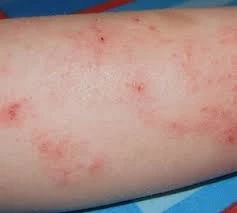

Eczema, also known as atopic dermatitis, is a chronic skin condition that affects millions of people worldwide. It is characterized by dry, itchy, and inflamed skin, often accompanied by redness, swelling, and the formation of small bumps or blisters. Eczema can occur at any age, but it most commonly begins in infancy and early childhood. In this article, we will discuss the symptoms, causes, and treatment options for eczema.
Symptoms:
The symptoms of eczema can vary from person to person, but the most common signs include:
Itchy Skin: One of the primary symptoms of eczema is intense itching. The urge to scratch can be overwhelming and may worsen the condition, leading to skin damage and infections.
Dryness and Redness: Eczema often causes the skin to become dry, rough, and red. The affected areas may also appear scaly and may crack or bleed in severe cases.
Inflammation: The skin affected by eczema is typically inflamed and swollen. This can contribute to a significant amount of discomfort and pain for the person suffering from the condition.
Blisters and Oozing: In some cases, eczema can lead to the formation of small, fluid-filled blisters that may ooze and crust over. This is known as weeping eczema and is often a result of excessive scratching.
Causes:
The exact cause of eczema is still unknown, but it is believed to be a combination of genetic and environmental factors. Here are some common triggers that can exacerbate eczema symptoms:
Allergens: Certain allergens such as dust mites, pet dander, pollen, and mold can trigger eczema flare-ups. Avoiding these allergens or minimizing exposure to them can help manage the condition.
Irritants: Substances like soaps, detergents, harsh chemicals, and fragrances can irritate the skin and lead to eczema. Individuals with eczema should opt for gentle, hypoallergenic products to reduce irritation.
Dry Skin: People with dry skin are more prone to eczema. Moisturizing regularly and maintaining proper hydration can help prevent flare-ups.
Stress: Stress and emotional factors can contribute to eczema outbreaks. Managing stress through relaxation techniques, exercise, and a healthy lifestyle can be beneficial.
Treatment:
While there is no cure for eczema, various treatment options can help manage and alleviate its symptoms. Here are some common approaches:
Moisturizers: Regularly applying moisturizers helps keep the skin hydrated and prevents dryness, reducing the severity of eczema symptoms.
Topical Corticosteroids: These are anti-inflammatory medications available in various strengths. They are applied directly to the affected skin to reduce inflammation and itching.
Antihistamines: Oral antihistamines can help alleviate itching and promote better sleep by reducing discomfort.
Immunomodulators: Prescription immunomodulators, such as calcineurin inhibitors, can be used to manage moderate to severe eczema. They work by suppressing the immune response that contributes to inflammation.
Avoiding Triggers: Identifying and avoiding triggers that worsen eczema symptoms is crucial. This may include allergens, irritants, certain foods, or environmental factors.
In conclusion, eczema is a chronic skin condition that causes dry, itchy, and inflamed skin. Although there is no cure, managing eczema involves understanding the symptoms, identifying triggers, and adopting a combination of self-care measures and medical treatments. If you suffer from eczema, consult with a dermatologist for a personalized treatment plan. Remember, early intervention and proper care can help control the condition and improve your quality of life.
Sign in to leave a comment.