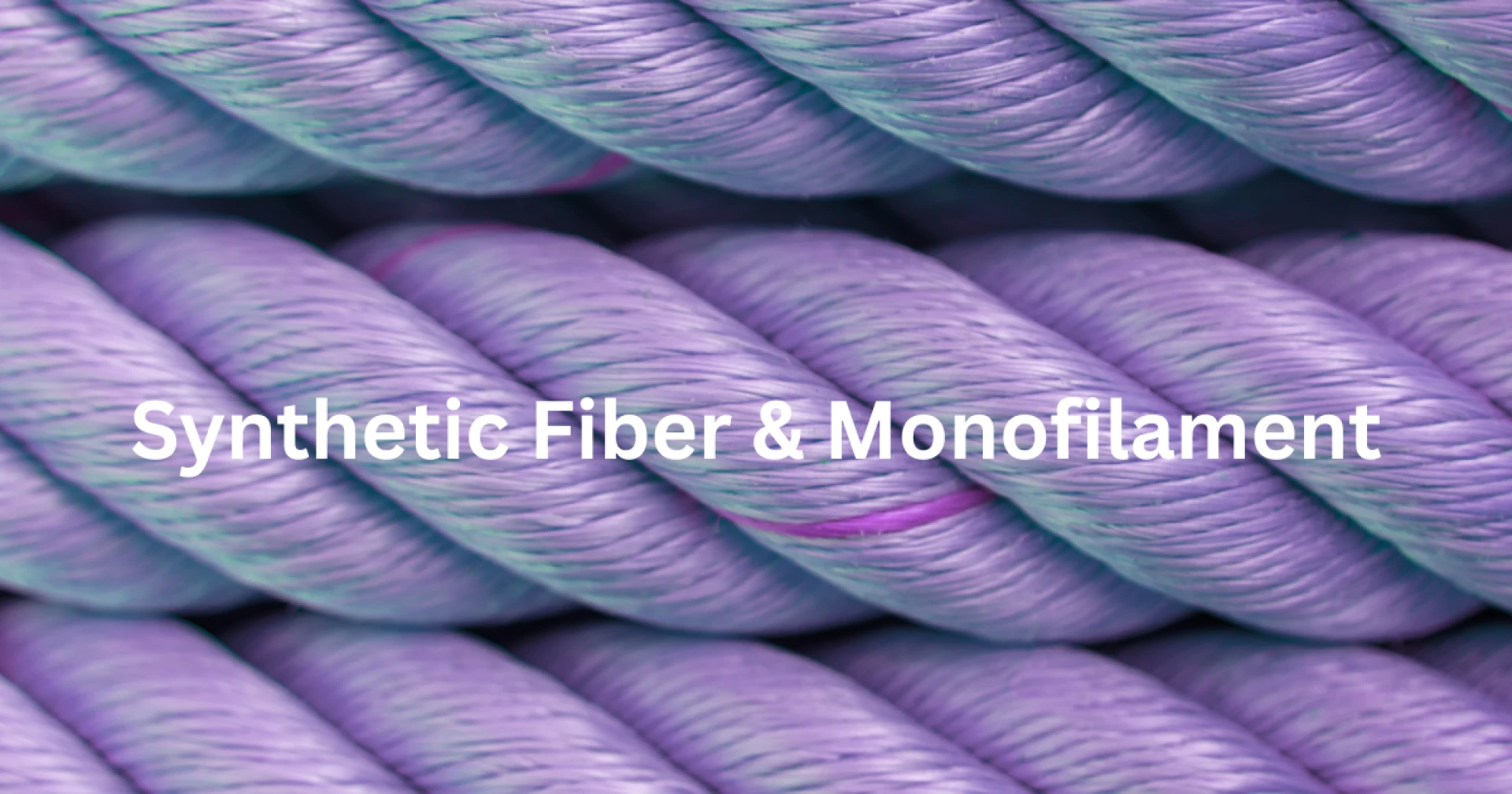
In today’s rapidly evolving industrial landscape, material innovation plays a crucial role in improving efficiency, durability, and performance. Among the most important developments in textile engineering is the rise of Synthetic Fiber & Monofilament products. These materials have transformed industries ranging from filtration and automotive to medical textiles and agriculture.
With superior strength, precision manufacturing, and customizable properties, synthetic fibers and monofilaments are now essential components in modern industrial applications.
What Are Synthetic Fibers?
Synthetic fibers are man-made fibers produced through chemical processes, typically derived from petrochemical sources. Unlike natural fibers such as cotton or wool, synthetic fibers are engineered to achieve specific performance characteristics including:
- High tensile strength
- Excellent abrasion resistance
- Chemical stability
- Moisture resistance
- Lightweight structure
Common types of synthetic fibers include polyester, nylon, polypropylene (PP), polyethylene (PE), and high-performance polymers such as PPS and PEEK. These fibers are widely used in textiles, ropes, nets, industrial fabrics, and reinforcement materials.
Their ability to maintain uniformity and durability under demanding conditions makes them the preferred choice for technical and industrial applications.
Understanding Monofilament
Monofilament is a type of synthetic fiber made from a single continuous filament rather than multiple twisted strands. This single-strand structure gives monofilament unique advantages over multifilament yarns.
Key characteristics of monofilament include:
- Smooth surface finish
- Higher stiffness
- Excellent dimensional stability
- Superior load-bearing capacity
- Resistance to fraying
Because of these properties, monofilament yarns are commonly used in applications such as filtration meshes, conveyor belts, fishing lines, industrial brushes, zippers, and woven technical fabrics.
When synthetic polymers are engineered into monofilament form, the result is a highly durable and precision-controlled material suitable for performance-driven industries.
Why Synthetic Fiber & Monofilament Are Critical for Industrial Growth
The combination of synthetic fibers and monofilament technology offers significant industrial advantages.
1. Enhanced Durability
Synthetic monofilaments are resistant to environmental factors such as moisture, UV exposure, and chemicals. This makes them suitable for outdoor and heavy-duty industrial use.
2. Customizable Performance
Manufacturers can modify polymer compositions to achieve desired properties such as flexibility, rigidity, conductivity, or thermal resistance. This customization enables industries to select the exact fiber specifications needed for their applications.
3. Cost-Effectiveness
Compared to natural fibers, synthetic fibers provide longer life cycles, lower maintenance requirements, and consistent quality, resulting in improved cost efficiency over time.
4. Precision Engineering
Monofilament yarns can be produced in controlled diameters and uniform thickness, ensuring consistent performance in filtration systems, woven fabrics, and industrial components.
Major Applications of Synthetic Fiber & Monofilament
The versatility of synthetic fiber and monofilament materials allows them to serve a wide range of industries:
Industrial Filtration
Monofilament yarns are widely used in filter fabrics due to their smooth surface and precise pore control. They provide excellent filtration efficiency and easy cleaning.
Automotive Industry
Synthetic fibers are used in seat belts, airbags, tire reinforcement, and under-the-hood components because of their strength and durability.
Agriculture & Fisheries
Monofilament materials are commonly used in nets, ropes, and protective covers, offering resistance to harsh environmental conditions.
Medical & Healthcare
High-performance synthetic fibers are used in surgical sutures, protective textiles, and hygiene products due to their strength and controlled performance.
Technical Textiles
From conveyor belts to geotextiles, monofilament yarns provide structural integrity and long-term reliability.
Sustainability & Innovation in Synthetic Fibers
As industries move toward sustainable manufacturing practices, synthetic fiber technology is also evolving. Many manufacturers are now focusing on:
- Recyclable polymer materials
- Energy-efficient production processes
- Biocomponent and specialty engineered yarns
- Reduced environmental impact
Research and development in polymer science continue to improve fiber performance while addressing sustainability concerns.
Choosing the Right Manufacturer
When selecting synthetic fiber and monofilament solutions, it is essential to work with an experienced manufacturer that offers:
- Consistent quality control
- Advanced extrusion technology
- Customization options
- Industry-specific expertise
- Global supply capabilities
Reliable manufacturers ensure that the materials meet both technical and operational requirements, helping businesses maintain performance standards across applications.
Conclusion
Synthetic fiber and monofilament technologies have revolutionized the textile and industrial sectors by offering superior strength, durability, and customization. Their role in filtration, automotive, medical, agriculture, and technical textiles demonstrates their importance in modern manufacturing.
As industries continue to demand higher efficiency and specialized performance, synthetic fibers and monofilament yarns will remain at the forefront of innovation. Investing in high-quality materials from trusted manufacturers ensures long-term reliability and operational success in today’s competitive industrial environment.


























Sign in to leave a comment.