
Investors often seek strategies that not only maximize returns but also manage risk effectively. One such investment tool gaining popularity is the Systematic Transfer Plan (STP). This disciplined approach offers investors a smart way to navigate market fluctuations and optimize their investment portfolios.
Understanding Systematic Transfer Plans (STP):
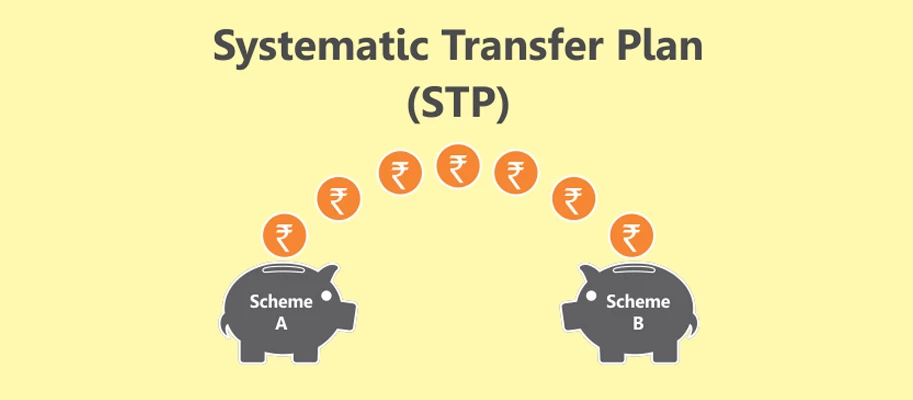
STP is an investment strategy that allows investors to systematically transfer a fixed or variable amount from one mutual fund scheme to another. The transfer can be made from debt funds to equity funds, or vice versa, based on market conditions and the investor's risk tolerance.
Key Components of STP:
Source and Destination Funds:Source Fund: This is the fund from which the investor initiates the transfer. It can be a debt fund, a liquid fund, or any other fund with lower volatility.Destination Fund: The fund to which the money is transferred. It can be an equity fund, providing the potential for higher returns.Transfer Frequency and Amount:Investors have the flexibility to choose the frequency of transfers (e.g., monthly, or quarterly) and the amount to be transferred. This allows for customization based on individual financial goals and market outlook.Benefits of Systematic Transfer Plans:
Risk Mitigation:STPs help manage risk by allowing investors to navigate market volatility. By systematically transferring funds from low-risk debt funds to potentially higher-return equity funds, investors can reduce the impact of market downturns on their overall portfolio.Rupee Cost Averaging:STPs leverage the concept of rupee cost averaging. Investors buy more units when prices are lower and fewer units when prices are higher. This strategy inherently lowers the average cost per unit over time.Liquidity Management:STPs provide a way to manage liquidity efficiently. Investors can park their funds in a liquid or debt fund and transfer systematically to an equity fund as and when investment opportunities arise.Goal Alignment:STPs are particularly useful for investors with specific financial goals. By aligning the transfer frequency and amounts with their goals, investors can maintain a disciplined approach to wealth accumulation.Considerations and Risks:
Market Timing:While STPs reduce the need for market timing, investors should still be mindful of economic conditions and market trends to optimize their transfers.Tax Implications:Capital gains tax implications may arise during transfers, especially when moving funds from debt to equity. Investors should be aware of the tax implications and plan transfers accordingly.Conclusion: Making STPs Work for You:
Systematic Transfer Plans are a versatile tool that allows investors to balance risk and return systematically. By strategically moving funds between asset classes, investors can align their investment strategy with their risk tolerance and financial goals.
To make STPs work effectively, investors should conduct thorough research, assess their risk appetite, and align the strategy with their investment horizon. Regular monitoring and adjustments based on market conditions can further enhance the effectiveness of this smart investment approach.
In a dynamic market environment, where uncertainty is inevitable, STPs offer investors a disciplined and methodical way to navigate the investment landscape. Whether you're a seasoned investor or just starting, considering Systematic Transfer Plans as part of your investment strategy could be a smart move toward achieving your financial objectives.
Get in touch to know more about details: Ajmera X-change
Sign in to leave a comment.