
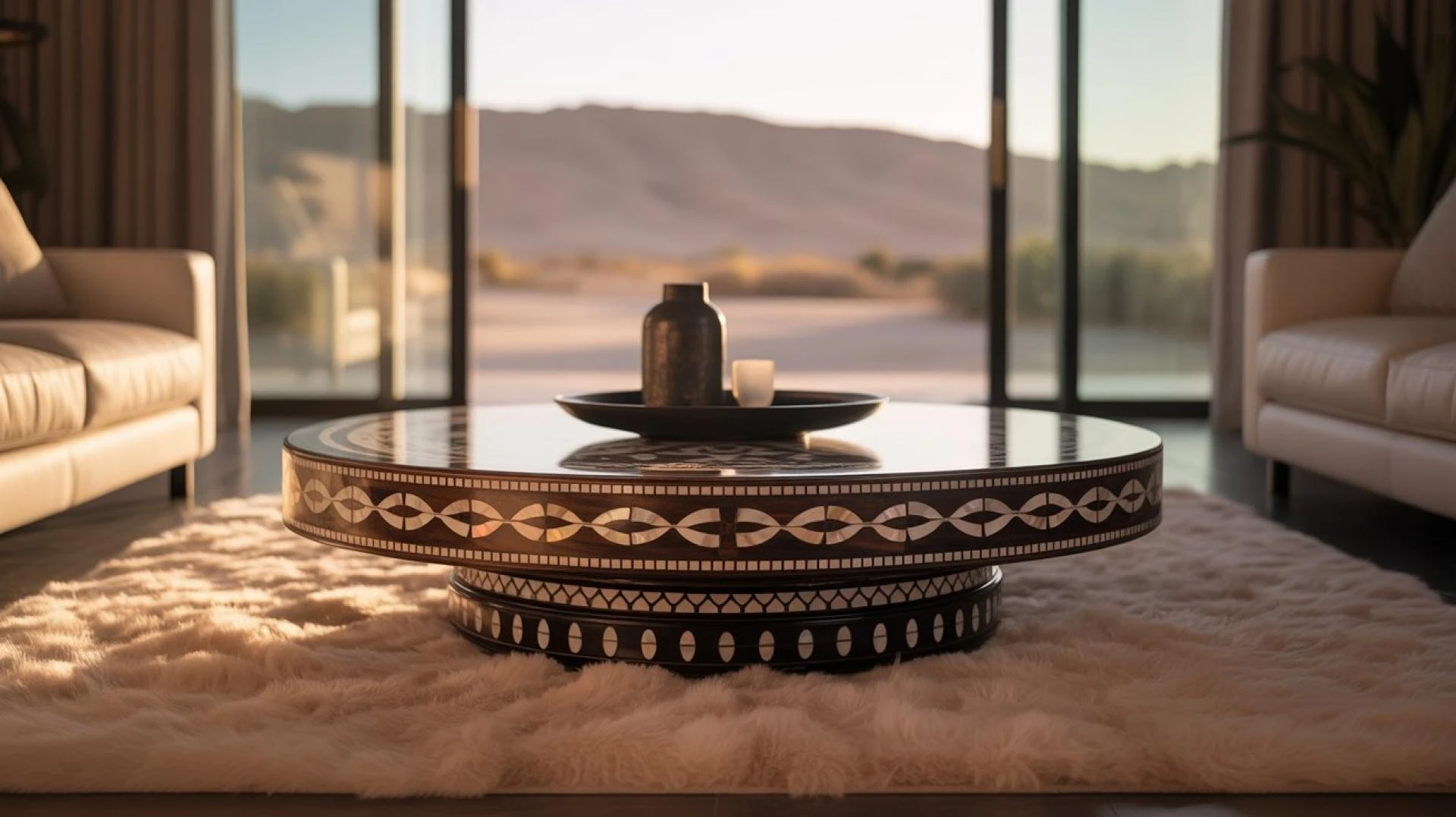
Tables are not just functional pieces of furniture; they also contribute to the overall aesthetics of your living space. Proper maintenance is essential to keep your tables looking their best and lasting for years. In this blog, we'll delve into valuable tips for cleaning, repairing, and preserving your tables to ensure they remain both functional and visually appealing.
Cleaning Your Tables:
Regular Dusting: Dust is inevitable, so make it a habit to dust your tables with a soft, lint-free cloth. Dusting not only keeps the surface clean but also prevents scratches caused by abrasive particles. Avoid Harsh Cleaners: When cleaning, opt for mild solutions like a mixture of water and a gentle dish soap. Avoid abrasive or chemical cleaners that could damage the finish or material of the table. Gentle Wiping: Use a damp cloth for wiping. Avoid excess moisture, as it can harm wood finishes or seep into joints, leading to damage. Protect from Spills: Use coasters and placemats to prevent water rings, stains, and scratches caused by cups, glasses, and plates. Cleaning Different Materials: Different materials require specific care. For example, glass tables need glass cleaner to avoid streaks, while wooden tables benefit from furniture polish to maintain their shine.Repairing Your Tables:
Scratch Repair: Minor scratches on wooden tables can often be fixed using scratch cover products or even a mix of olive oil and vinegar. Apply gently, then buff with a soft cloth. Surface Damage: For deeper scratches or dents, you might need wood filler. Sand the area, apply the filler, let it dry, and then sand and refinish if necessary. Loose Joints: If your table's joints are loose, you can use wood glue to fix them. Disassemble the joint, apply the glue, and clamp it until it's dry. Veneer Repairs: If your table has a veneer, loose or damaged parts can be re-glued using a thin adhesive. Glass Chips: For glass tables with small chips, you can use clear nail polish to seal the chip and prevent it from spreading.Preserving Your Tables:
Sun Protection: Keep your tables away from direct sunlight to prevent fading, discoloration, and drying out of wood. Temperature and Humidity: Extreme fluctuations in temperature and humidity can cause wood to warp or crack. Maintain a stable environment to ensure your tables' longevity. Tablecloths and Mats: Consider using tablecloths or mats under centerpieces to protect the table's surface from potential damage. Rotation: If possible, rotate decorative items and centerpieces to ensure even wear on the table's surface. Regular Inspections: Periodically inspect your tables for any signs of wear, damage, or loose parts. Early intervention can prevent further deterioration.By following these tips for cleaning, repairing, and preserving your tables, you can extend their lifespan and maintain their beauty. Regular care and attention will not only keep your tables looking their best but also contribute to the overall ambiance of your living space.























Sign in to leave a comment.