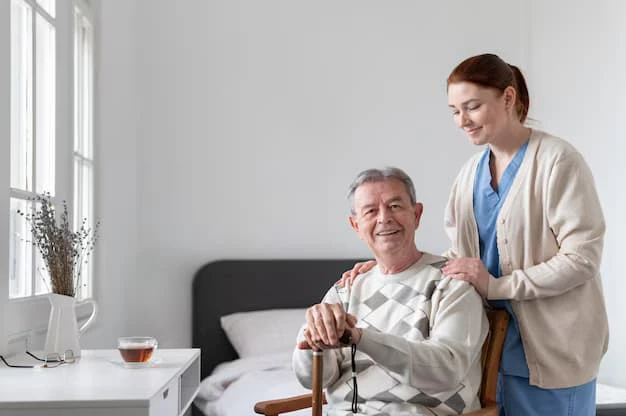

Every senior has unique needs, preferences, and health conditions that require personalized attention. As the aging population grows, families are increasingly seeking customized care solutions that address the specific requirements of their loved ones. Senior home care has become an essential service that offers comfort, independence, and professional support, all tailored to meet each individual’s lifestyle and health goals. By focusing on personalizing care, seniors can enjoy a higher quality of life while maintaining their dignity and freedom in familiar surroundings.
Understanding the Importance of Personalized Senior Home Care
Personalized care recognizes that every senior is different. It ensures that each individual receives the level of assistance they truly need, whether it’s medical support, help with daily tasks, or simply companionship.
Meeting Diverse Physical and Emotional Needs
The physical health of seniors can vary widely. Some may be recovering from surgery or managing chronic illnesses, while others may require assistance with mobility or personal care. Beyond physical needs, emotional well-being plays a vital role in maintaining overall health. Tailored care plans address both aspects, providing seniors with a sense of security, confidence, and emotional balance.
Encouraging Independence and Dignity
A key benefit of senior home care is the ability to promote independence. Personalized plans ensure that seniors are encouraged to remain active in their daily routines while receiving support only where necessary. This approach not only builds self-esteem but also helps maintain a sense of purpose and dignity.
Components of a Tailored Senior Home Care Plan
A personalized care plan is designed after a careful assessment of the senior’s health, preferences, and lifestyle. It integrates medical care, daily assistance, and emotional support in a way that enhances comfort and safety.
Comprehensive Health Assessment
The first step in developing an effective home care plan is conducting a detailed health assessment. This evaluation identifies medical conditions, physical limitations, and specific care requirements. Information gathered during this stage helps caregivers create a plan that aligns with the senior’s health goals and medical recommendations.
Assistance with Daily Living
Daily living activities such as bathing, dressing, grooming, and meal preparation can become challenging for older adults. Personalized care plans outline the level of assistance required for each activity, ensuring that seniors receive support without losing their independence.
Medical and Medication Management
For seniors managing chronic conditions or post-operative recovery, medication management is essential. Caregivers ensure timely medication reminders, adherence to prescriptions, and coordination with healthcare professionals to prevent complications and maintain stable health.
Emotional and Social Support
Loneliness is a common challenge among seniors, particularly those living alone. A personalized care plan includes companionship and social interaction as integral components. Caregivers provide not only practical help but also emotional connection, creating a warm and engaging environment for the senior.
The Benefits of Personalized Senior Home Care
Customized care plans offer numerous benefits that extend beyond basic health and safety. They enhance the senior’s quality of life while providing families with reassurance and peace of mind.
Improved Quality of Life
When care is tailored to individual preferences and routines, seniors experience greater satisfaction and happiness. Familiar surroundings, meaningful activities, and a consistent care schedule contribute to a more fulfilling lifestyle.
Enhanced Safety and Comfort
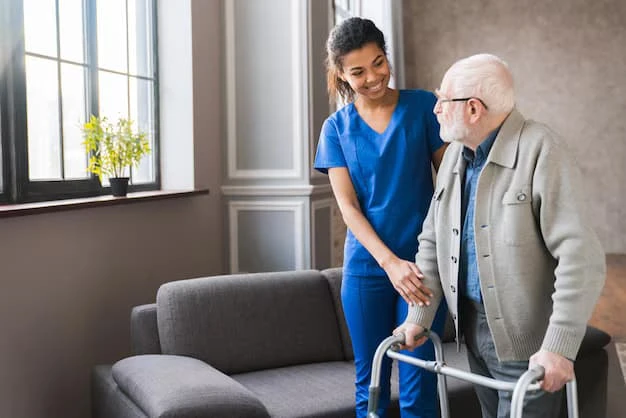
Personalized plans address specific mobility challenges, dietary needs, and safety concerns, reducing the risk of falls or health emergencies. This ensures that seniors can move around comfortably and live safely in their own homes.
Reduced Hospital Visits
Consistent monitoring and timely interventions help prevent medical complications. With caregivers who understand the senior’s medical history and behavior patterns, early warning signs are easily detected, minimizing unnecessary hospital visits.
Emotional Stability and Companionship
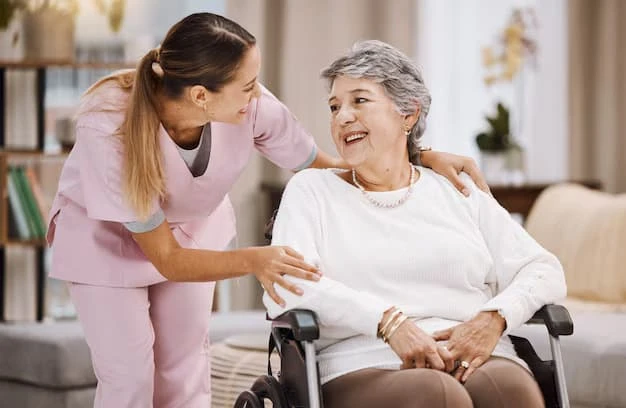
A trusted caregiver provides not just assistance but friendship. This emotional connection helps seniors maintain a positive outlook, which is essential for mental and emotional health. Regular interaction, shared conversations, and engaging activities can significantly improve mood and cognitive function.
How Caregivers Personalize Senior Home Care
Caregivers play a crucial role in ensuring that personalized care plans are implemented effectively. Their approach combines compassion, professionalism, and adaptability to meet each client’s changing needs.
Building Trust and Understanding
The first step in creating a comfortable care environment is building trust. Caregivers take time to understand the senior’s personality, preferences, and communication style. This understanding allows them to provide care that feels natural and respectful.
Flexibility in Care Delivery
Seniors’ needs can change over time due to health fluctuations or lifestyle adjustments. Caregivers regularly review and modify care plans to accommodate these changes, ensuring consistent and appropriate support.
Promoting Active Living
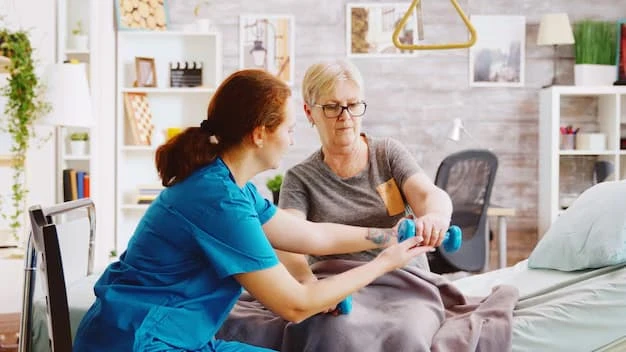
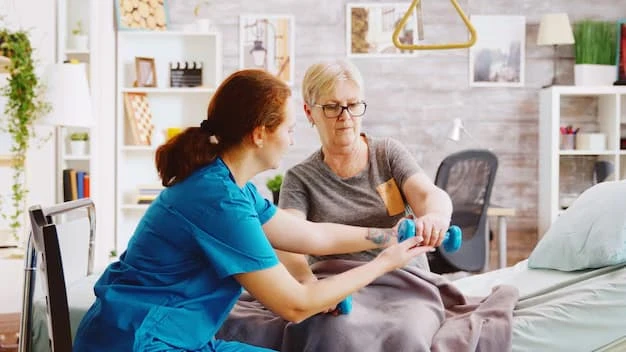
Encouraging seniors to engage in light exercises, hobbies, or community activities is an important part of senior home care. Active participation not only keeps them physically healthy but also mentally stimulated and emotionally fulfilled.
Family Involvement in Personalized Care
Families play a significant role in ensuring successful home care. Their input helps caregivers create a plan that truly reflects the senior’s life, habits, and expectations.
Open Communication
Regular communication between caregivers and family members ensures that everyone stays informed about the senior’s well-being. Updates on health, daily routines, and emotional changes allow families to remain involved and confident in the care being provided.
Collaborating on Care Goals
Families and caregivers can work together to set realistic goals for improvement or maintenance. Whether the focus is on rehabilitation, companionship, or long-term wellness, collaboration ensures that everyone works toward a shared objective.
Emotional Reassurance for Families
Knowing that their loved one is receiving personalized attention gives families peace of mind. They can rest assured that the care provided is not only professional but also deeply empathetic and aligned with the senior’s comfort.
The Role of Technology in Personalized Home Care
Modern senior home care has evolved with the help of technology, making it easier to monitor health, track progress, and ensure consistent communication.
Remote Health Monitoring
Wearable health devices and digital platforms allow caregivers to monitor vital signs, medication schedules, and activity levels in real time. This enables quick responses to any health changes, improving overall safety.
Communication Tools for Families
Video calls, mobile apps, and messaging systems help families stay connected with caregivers and seniors. This integration of technology promotes transparency, builds trust, and enhances the caregiving experience.
Adapting Care Plans Over Time
As seniors age, their needs often evolve. A well-structured care plan is never static but changes with circumstances to ensure continuous support and comfort.
Regular Reassessment
Routine evaluations allow caregivers to identify changes in health or behavior. These assessments help adjust care levels, introduce new services, or modify daily routines to suit current requirements.
Addressing Emerging Health Conditions
If new medical issues arise, personalized care plans can quickly be adapted to include additional medical supervision or therapeutic assistance. This flexibility ensures that the senior’s well-being is always the top priority.
Evolving Social and Emotional Needs
Over time, seniors may require more emotional engagement or social activities. Caregivers adapt by introducing stimulating conversations, interactive games, or outings that match the senior’s interests and comfort level.
Choosing the Right Senior Home Care Provider
Selecting a trusted provider is essential for creating an effective and compassionate care plan. Families should consider several factors to ensure their loved ones receive the highest standard of care.
Experience and Professionalism
A reliable provider employs trained and experienced caregivers who understand the complexities of elderly care. Their expertise ensures safe and attentive service tailored to each client.
Personalization and Flexibility
Providers that emphasize individualized care and flexible scheduling can offer services that align with a senior’s exact needs and preferences.
Reputation and Communication
Positive client feedback, transparency, and open communication are strong indicators of a dependable service provider. Families should seek a provider that values collaboration and consistency.
Conclusion
Personalized senior home care plans are transforming the way families support their aging loved ones. By tailoring every aspect of care to match individual needs, seniors can live more comfortably, independently, and confidently in their own homes. This approach ensures not only physical well-being but also emotional fulfillment and dignity.
For families looking for compassionate, reliable, and customized care solutions, AMT Homecare remains committed to delivering exceptional services that prioritize the health, happiness, and comfort of every senior they serve.



























Sign in to leave a comment.