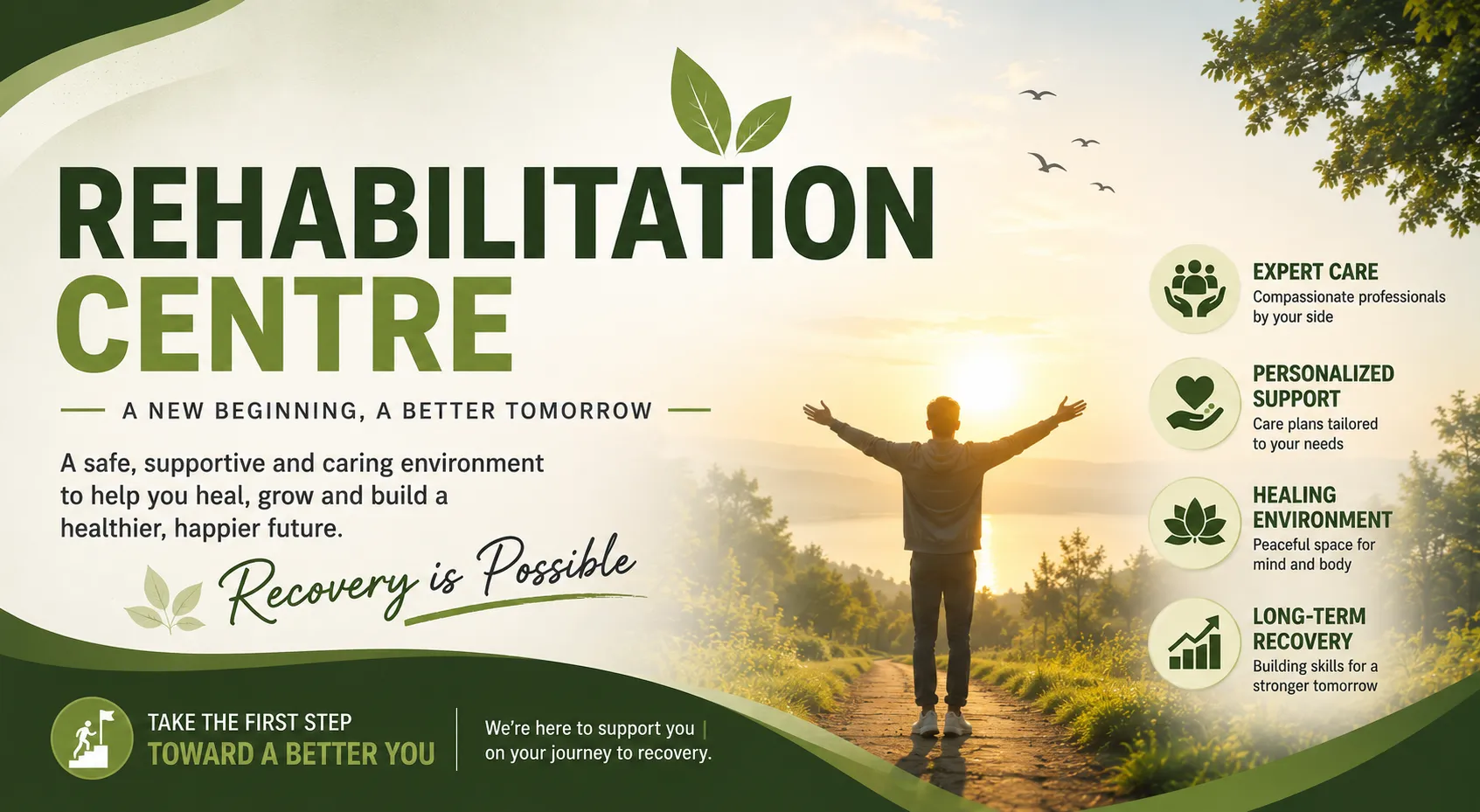

Starting a New Journey Toward a Brighter Future
The most difficult aspect of getting better is not the treatment, but realizing that something has to change. Over time, addiction can become a habit and alcohol or drugs may be present in nearly every aspect of life. Talk within the family becomes challenging, health may decline and work may lose significance, personal objectives may be set aside.
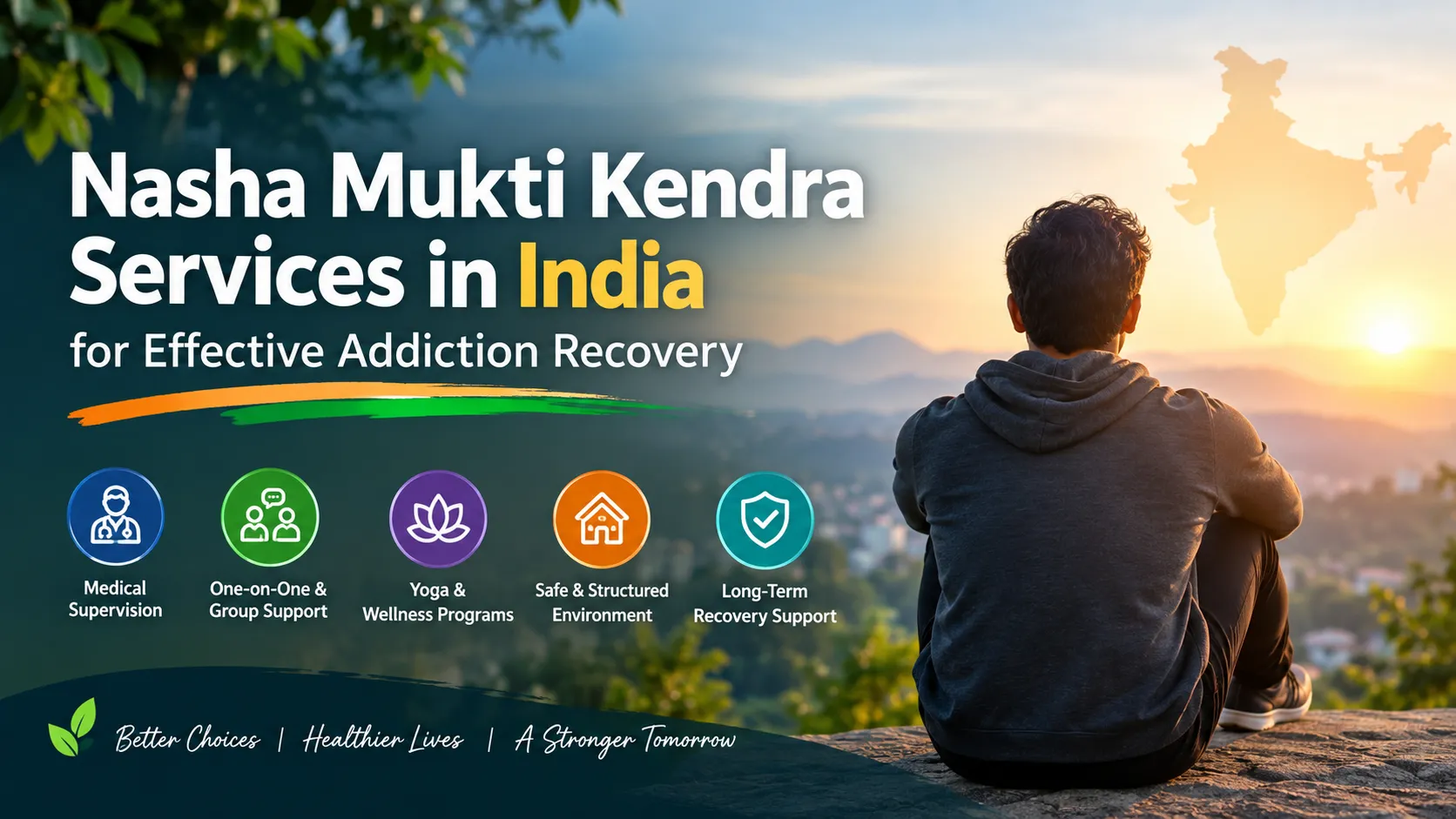
However, sometimes, the first decision is the beginning of change. Connecting with a professional can begin the path towards a healthier and more stable future. A Nasha Mukti Kendra can offer the appropriate surroundings for people who would like to exit substance abuse and reclaim control of their lives.
Recovery is not a time of forgetting. It's about learning from it and establishing good habits for the future.
Recognising When It Is Time for Help
Many people continue using substances even after realising that their behaviour is causing problems. They may promise themselves that they will stop next week, after a particular event, or when life becomes less stressful. Unfortunately, waiting for the “perfect time” can allow addiction to become more deeply rooted.
Recognising the need for help is actually a sign of awareness. Professional addiction treatment gives individuals an opportunity to address substance dependence in a planned and supportive setting.
Some common signs that professional support may be needed include:
- Increasing dependence on alcohol or drugs
- Difficulty stopping despite repeated attempts
- Problems at home because of substance use
- Declining performance at work or studies
- Changes in sleep, mood, or daily behaviour
- Avoiding family and close friends
- Spending excessive time thinking about the next use
What matters is noticing when substance use has started taking control of everyday life.
A Structured Environment Can Make Change Easier
It's not always easy to get better when you have the same routines and influences surrounding you. It can be hard to concentrate on schoolwork when you see your favorite spots, some of your friends, stressful situations, and it's easy to get substances.
People can use the day for counselling, healthy activities, personal reflection, recreation, and meaningful interactions rather than relying on their cravings or substance use.
Recovering does not have to be the same for everyone. It involves providing a structure to promote positive choices.
Treating the Person, Not Just the Addiction
Addiction can have an impact on the way people think, behave, communicate and react to stress. Therefore, in order to be successful, recovery should involve going past the original issue.
Emotional issues and unhealthy patterns of behaviour, which can be associated with using drugs and alcohol, can be explored through professional rehabilitation counselling. It is helpful for an individual to talk to an experienced professional about things openly to get a different viewpoint and to help them see situations in a new way.
Counselling may focus on areas such as:
Emotional awareness: Understanding feelings instead of suppressing them through substance use.
Stress management: Finding healthier ways to respond to pressure.
Decision-making: Learning to think about consequences before acting.
Self-esteem: Rebuilding confidence after repeated setbacks.
Communication: Developing healthier ways to interact with family and others.
These skills can remain useful long after formal treatment has ended.
Building a Routine That Supports Recovery
Everyday decisions add up to a healthier future. A simple and a balanced exercise routine during the recovery period can help the mind and body adapt to a substance-free lifestyle.
People can feel good through healthy food, a restful night's sleep, exercise, hobbies and work. Developing a healthier walk, read, meditate or conversational routine can start just 10 minutes a day at home.
A useful recovery day might include:
🌿 Morning exercise or yoga
📖 Time for reading or learning
🗣️ Counselling and group interaction
🥗 Regular nutritious meals
🎨 Recreational or creative activities
🌙 Adequate rest and quiet time
The purpose is not to fill every minute of the day. It is to replace destructive patterns with activities that provide stability and meaning.
Preparing for Life Beyond Treatment
Treatment is an important stage, but recovery continues after a person returns to regular life. New responsibilities, social situations, stress, and old memories can create challenges.
This is why relapse prevention should be considered an important part of long-term recovery. Individuals can learn to identify their personal triggers and develop practical responses before cravings become difficult to manage.
Helpful habits may include:
→ Staying away from high-risk environments
→ Maintaining contact with supportive people
→ Continuing healthy hobbies
→ Seeking counselling when necessary
→ Following a consistent daily routine
→ Remembering the personal reasons for recovery
Why Choose Behatreen Jeevan Foundation
Choosing a recovery setting is a huge choice for someone and their family. Behatreen Jeevan Foundation's mission is to create an environment that is supportive and disciplined that allows people to concentrate on improving themselves and build better habits.
When deciding on a Nasha Mukti Kendra in Ghaziabad, you should not just consider the facilities offered. Treatment approach, counselling support, daily routine, atmosphere, family involvement, and after treatment counselling and guidance to the recovery process can all make a difference to the recovery experience.
Behatreen Jeevan Foundation empowers people to recover in a dignified and self-responsible manner. A positive environment can help the individual to feel more comfortable in counselling, to stay disciplined and to slowly build up their confidence.
The aim is not just to finish a treatment course. It is to influence people to have a healthier lifestyle.
Family Can Be Part of the New Beginning
A person's recovery can also give the family an opportunity to heal. Addiction may have created arguments, broken trust, or emotional distance. These issues rarely disappear overnight.
Family members can contribute by being patient, communicating honestly, and encouraging healthy behaviour. At the same time, they should maintain reasonable boundaries and avoid enabling harmful habits.
When families learn more about addiction, they may better understand why recovery takes time. Support becomes more effective when it combines compassion with accountability.




















Sign in to leave a comment.