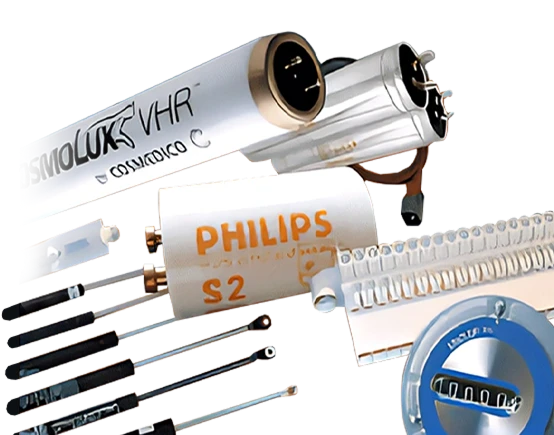

Tanning Bed Starters: The Small Part That Powers Big Performance
When it comes to keeping a tanning bed running efficiently, most people immediately think about lamps. While lamps are essential, they cannot function properly without another small but powerful component working behind the scenes—the starter. Tanning bed starters are responsible for igniting fluorescent tanning lamps and helping them reach the correct operating voltage. Without a properly functioning starter, even brand-new lamps may flicker, fail to light, or wear out prematurely.
For salon owners and equipment technicians, understanding the role of starters can make a noticeable difference in performance and maintenance costs. These components are inexpensive compared to lamps or ballasts, yet they directly impact how smoothly your tanning bed operates. When a starter begins to fail, it can quietly reduce efficiency, strain other electrical components, and lead to inconsistent tanning results that customers quickly notice.
Many operators overlook the importance of Tanning Bed Starters until problems arise. Positioned within the lamp circuit, they provide the initial electrical pulse that allows fluorescent lamps to illuminate properly. Over time, starters can weaken or burn out due to constant cycling and heat exposure. When this happens, lamps may flicker repeatedly before turning on, struggle to stay lit, or fail altogether. Replacing worn starters at the right time helps maintain consistent UV output and protects the longevity of your entire system.
What Exactly Is a Tanning Bed Starter?
A tanning bed starter is a small cylindrical electrical device that works alongside the ballast to ignite fluorescent tanning lamps. In traditional magnetic ballast systems, the starter sends a surge of electricity to heat the lamp filaments. Once the gas inside the lamp becomes ionized, the arc forms and the lamp lights fully.
Although small in size, the starter plays a precise and technical role in the ignition process. If it fails, the electrical sequence is interrupted, and the lamp cannot start correctly. This is why a faulty starter can mimic the symptoms of a bad lamp, leading many salon owners to replace lamps unnecessarily when the real issue is much simpler.
Electronic ballast systems operate differently and may not use traditional starters. However, many tanning beds still rely on starter-based systems, especially older or mid-range units. Knowing which type your bed uses is essential before ordering replacement parts.
Why Tanning Bed Starters Matter for Performance
Starters directly influence how efficiently your tanning lamps function. When they work correctly, lamps turn on quickly and operate at optimal brightness. When they begin to fail, the strain placed on lamps and ballasts increases.
A weak starter can cause repeated flickering, which not only looks unprofessional but also shortens lamp life. Every failed ignition attempt stresses the internal components of the lamp. Over time, this repeated stress reduces UV output and increases replacement frequency.
There is also an energy efficiency factor to consider. Lamps that struggle to ignite draw inconsistent power, leading to unnecessary electrical strain. While starters are inexpensive parts, ignoring them can lead to higher long-term maintenance costs.
Signs Your Tanning Bed Starters Need Replacement
One of the most common signs of a failing starter is flickering lamps that take longer than usual to light. You may hear a clicking sound as the starter repeatedly attempts to ignite the lamp. In some cases, lamps may only partially illuminate or appear dim.
Another sign is blackened lamp ends combined with inconsistent startup performance. While blackened ends often indicate lamp age, pairing this symptom with startup issues frequently points to a worn starter.
If multiple lamps in the same bed are slow to start, replacing the starters proactively can often restore performance immediately. Because starters are relatively low-cost, many technicians replace them alongside new lamps to prevent future ignition issues.
How Long Do Tanning Bed Starters Last?
The lifespan of a tanning bed starter varies depending on usage levels. In high-traffic salons where beds operate continuously throughout the day, starters may need replacement every one to two years. In lower-use environments, they may last longer.
Heat is a major factor in starter wear. Tanning beds generate significant internal temperatures, and over time this constant heat exposure degrades internal components. Proper ventilation within the bed helps extend not only lamp life but also the lifespan of starters and ballasts.
Routine inspection during relamping sessions is a smart maintenance habit. Since technicians are already accessing the lamp compartment, checking starters at the same time saves effort later.
Choosing the Right Replacement Starter
Not all starters are interchangeable. Using the wrong voltage rating or incompatible model can lead to improper ignition and reduced lamp life. It is important to match the starter specifications to your tanning bed manufacturer’s requirements.
High-quality starters are designed specifically for tanning applications, where frequent cycling and elevated heat levels are normal. Generic hardware store starters may function temporarily but often lack the durability needed for commercial tanning beds.
When ordering replacements, it helps to know your bed’s brand, model, and ballast type. A reputable tanning parts supplier can confirm compatibility and ensure you receive the correct component.
The Importance of Replacing Starters with New Lamps
One of the most common mistakes in salon maintenance is installing new lamps while leaving old starters in place. While it may seem cost-effective, it often leads to reduced lamp lifespan and performance issues.
Old starters can cause new lamps to flicker or struggle during ignition, which stresses their internal filaments. Over time, this reduces UV consistency and leads to uneven tanning results. Replacing starters at the same time as lamps ensures a clean start for your new setup and maximizes your investment.
Where to Buy Reliable Tanning Bed Starters
Sourcing quality parts makes a significant difference in long-term performance. Specialized tanning equipment suppliers understand the specific electrical demands of tanning systems and offer compatible components designed for durability.
Choosing a trusted supplier ensures you receive properly rated starters that match your bed’s electrical configuration. It also provides peace of mind that the parts are built to withstand the high-heat environment of tanning equipment. Many salon owners prefer ordering from reputable online suppliers like sunalparts.com because they offer dependable tanning bed components that support consistent performance and long-term reliability.
Final Thoughts on Tanning Bed Starters
Tanning bed starters may be small, but their impact is substantial. They are the spark that brings your lamps to life and keeps your equipment running smoothly. Ignoring them can lead to flickering lights, reduced UV output, shortened lamp life, and unnecessary frustration.
Proactive maintenance, proper replacement timing, and sourcing quality components all contribute to better tanning performance and customer satisfaction. For salon owners, paying attention to these small electrical parts is one of the smartest ways to protect both equipment and reputation.
Frequently Asked Questions
What does a tanning bed starter do?
A tanning bed starter helps ignite fluorescent tanning lamps by providing the initial electrical pulse needed for startup.
How do I know if my tanning bed starter is bad?
Common signs include flickering lamps, delayed startup, clicking sounds during ignition, or lamps failing to light completely.
Should I replace starters when changing lamps?
Yes. Replacing starters along with new lamps helps ensure smooth ignition and maximizes lamp lifespan.
Are tanning bed starters universal?
No. Starters vary in voltage and compatibility. Always match the specifications to your tanning bed model.
How often should tanning bed starters be replaced?
In commercial salons, replacing them every one to two years is common, depending on usage.
Can a bad starter damage my tanning lamps?
Yes. Repeated failed ignition attempts can stress lamp filaments and shorten their usable life.
























Sign in to leave a comment.