
Most packing guides for African safaris repeat the same generic advice: neutral colors, comfortable shoes, and sunscreen. All true, but not particularly useful once you're standing in your bedroom trying to decide what actually goes in the bag. This guide skips the obvious and focuses on what experienced guides across Tanzania safari packages consistently tell travellers: the details that make the difference between a comfortable trip and a frustrating one.
Why Generic Packing Lists Fall Short
Standard packing advice treats Tanzania as one climate and one terrain. In reality, a single day can move from a cold Ngorongoro Crater sunrise to a hot, dusty Serengeti afternoon. Guides who run Tanzania safari packages daily know the gap between what tourists pack and what they actually need often comes down to layering, dust management, and camera preparedness, not clothing colour.
Understanding Tanzania's Microclimates
Tanzania's safari circuit spans significantly different elevations and terrains. The Ngorongoro Crater rim sits at roughly 2,200 metres, while the Serengeti plains are considerably lower and hotter. This is why a single packing list rarely works for the whole trip.
Layering: The Real Key to Comfort
Cold Ngorongoro Mornings
Game drives into the Ngorongoro Crater often start before sunrise, when temperatures can drop close to freezing at the rim. Experienced guides recommend a proper insulating layer, not just a light jacket, plus gloves and a warm hat. Many first-time travellers underestimate just how cold this specific stretch of a Tanzania safari can get.
Hot Serengeti Afternoons
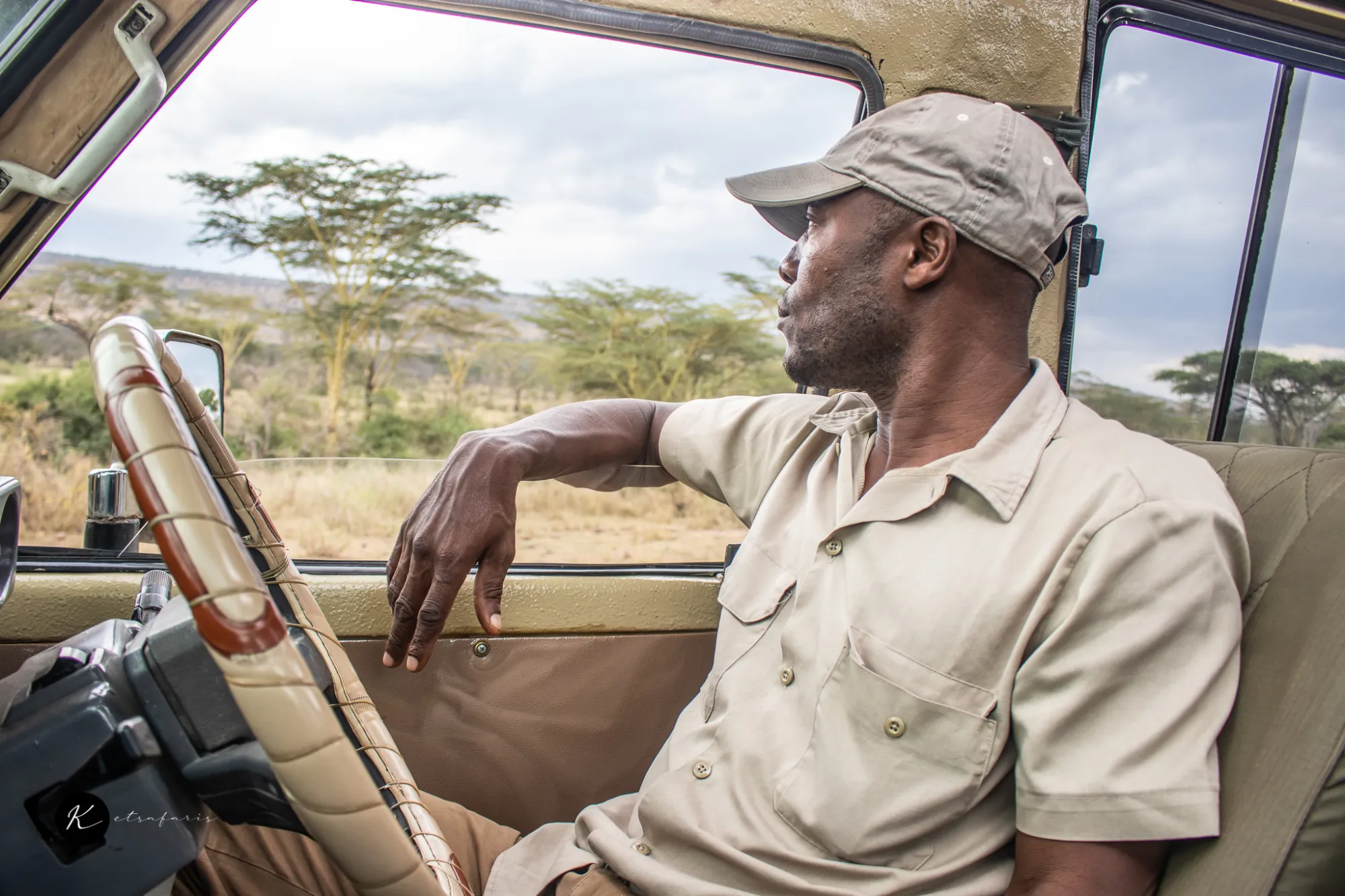
By contrast, midday game drives across the Serengeti's open plains can climb well above 30°C, with little shade inside a safari vehicle. Guides suggest breathable, moisture-wicking fabrics for this stretch and a wide-brimmed hat that won't blow off during an open-vehicle drive.
The Layering System That Works
- A moisture-wicking base layer for hot afternoons
- A mid-layer fleece or light insulated jacket for early mornings
- A windproof outer layer for open-vehicle drives, especially at higher elevations
- Convertible trousers that zip into shorts, useful across both climates in a single day
Camera Gear: What Actually Survives a Safari
Dust Is the Real Enemy, Not Rain
Photographers heading into Tanzania safari packages often prepare for rain and forget about dust, which is a far more consistent problem on unpaved park roads. Guides recommend a rain cover doubling as a dust shield, along with a rocket blower and microfibre cloths for daily lens cleaning.
Lens Choices That Matter
- A telephoto lens (200mm or longer) for distant wildlife, especially predators
- A wide-angle lens for landscape shots across the Serengeti's open plains
- A spare battery and memory card, since charging opportunities can be limited on multi-day routes
Protecting Gear Between Game Drives
Experienced guides recommend a dry bag or dedicated camera backpack rather than an open bag, since dust infiltrates zippers and seams over several days of driving on unpaved roads.
What's Genuinely Essential vs. Optional
Essential Items
- Neutral-colored clothing (this part of the generic advice is accurate; bright colors and dark blacks attract insects)
- A reliable headlamp for early departures and camp movement after dark
- Binoculars, ideally one pair per person rather than shared
- Reusable water bottle, since many camps provide filtered water refills
- Basic first-aid items and any personal medication
Genuinely Optional Items
- Multiple pairs of safari-branded clothing (any comfortable, neutral clothing works fine)
- Heavy hiking boots, unless your itinerary includes walking safaris or gorilla trekking components sometimes paired with Kenyan tours
- Large camera tripods, which are impractical inside most safari vehicles
Packing Tips Specific to Tanzania Safari Packages
Most Tanzania safari packages include internal flights or transfers between parks, often on small aircraft with strict luggage weight limits, typically around 15kg in a soft-sided bag. Guides recommend packing in a duffel rather than a hard-shell suitcase, since it's easier to store in safari vehicles and light aircraft alike.
If Combining with Kenya Tours
Travellers extending their trip into neighbouring Kenya tours, particularly the Maasai Mara or Amboseli, should note that packing needs stay largely the same across both countries, though additional layers may be useful for early morning hot air balloon safaris.
Final Thoughts
Packing well for Tanzania safari packages comes down to understanding the trip's actual conditions, not following a generic list built for a single climate. Layering for temperature swings, protecting camera gear from dust rather than just rain, and knowing which items are genuinely essential versus optional can make the difference between a smooth trip and one spent uncomfortable or under-equipped. Whether your route stays within Tanzania or extends into neighbouring Kenyan tours, the same core packing principles apply.
Frequently Asked Questions
What should I not pack for a Tanzania safari?
Avoid bright colors, black and dark blue clothing (which attracts tsetse flies), heavy tripods, and excessive clothing changes. Most camps offer laundry service.
Do I need a jacket for a Tanzania safari?
Yes. Early morning game drives, especially in the Ngorongoro Crater, can be cold enough to require an insulated jacket, even though afternoons are often hot.
What camera gear is best for a Tanzania safari?
A telephoto lens for wildlife, a wide-angle lens for landscapes, extra batteries, memory cards, and a dust-proof bag or cover are the most commonly recommended items by experienced guides.
























Sign in to leave a comment.