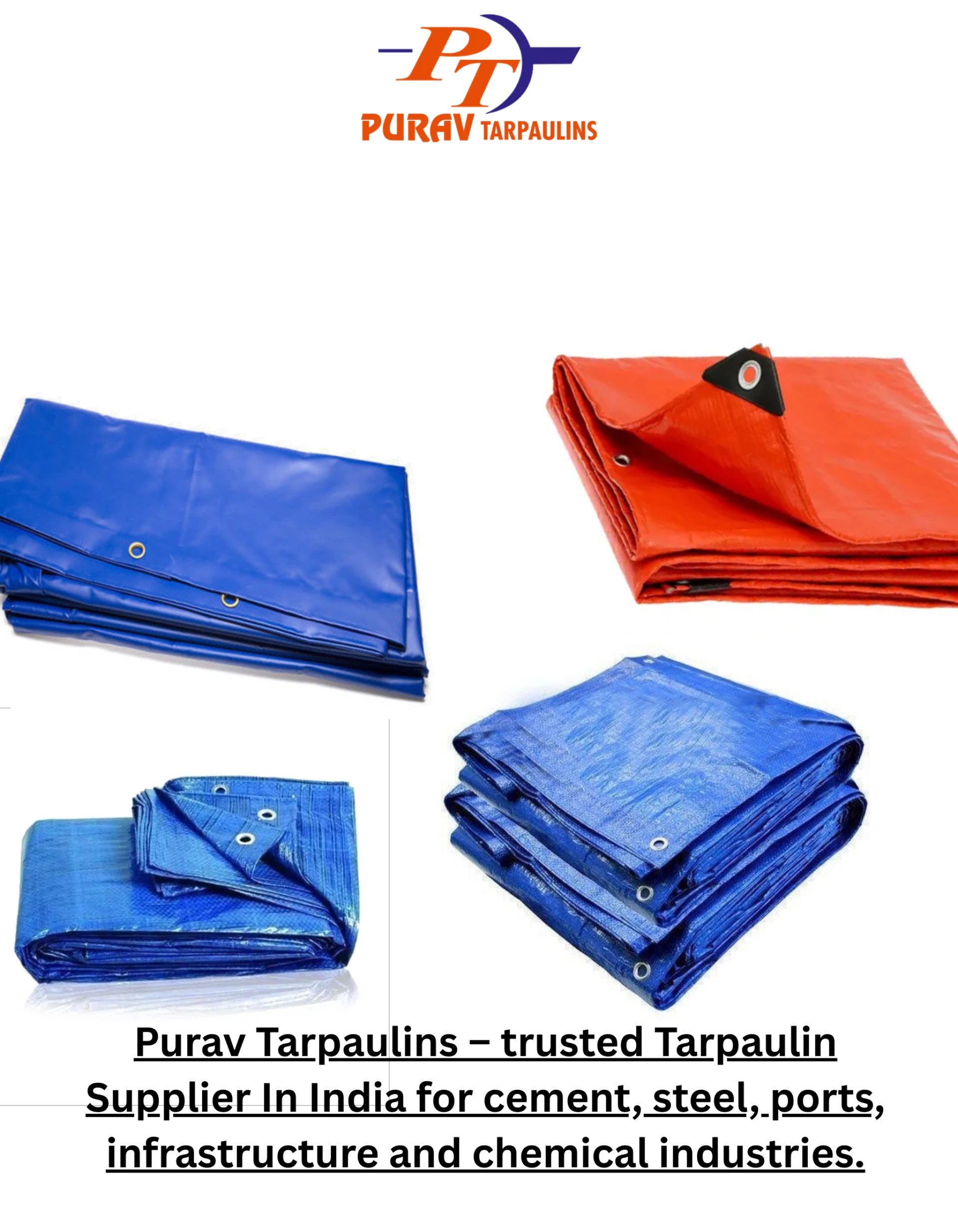

When you start searching for a Tarpaulin Supplier in India, there is usually a pressing reason: the 2026 monsoon is approaching, new stockyards are coming up, or existing covers have begun to leak and tear. The wrong choice can lead to damaged raw materials, disrupted production and avoidable costs. The right supplier, on the other hand, gives you long‑term protection and peace of mind.
This 2026 guide explains everything an Indian industrial buyer needs to know before ordering tarpaulins – types, GSM, coatings, customisation and how to evaluate a supplier. It is written for purchase heads, plant managers, project teams and contractors who want durable, low‑maintenance solutions that can withstand India’s changing weather patterns.
To directly explore industrial tarpaulin solutions, visit:
https://puravtarpaulins.in/tarpaulin-supplier-purav-tarpaulins/
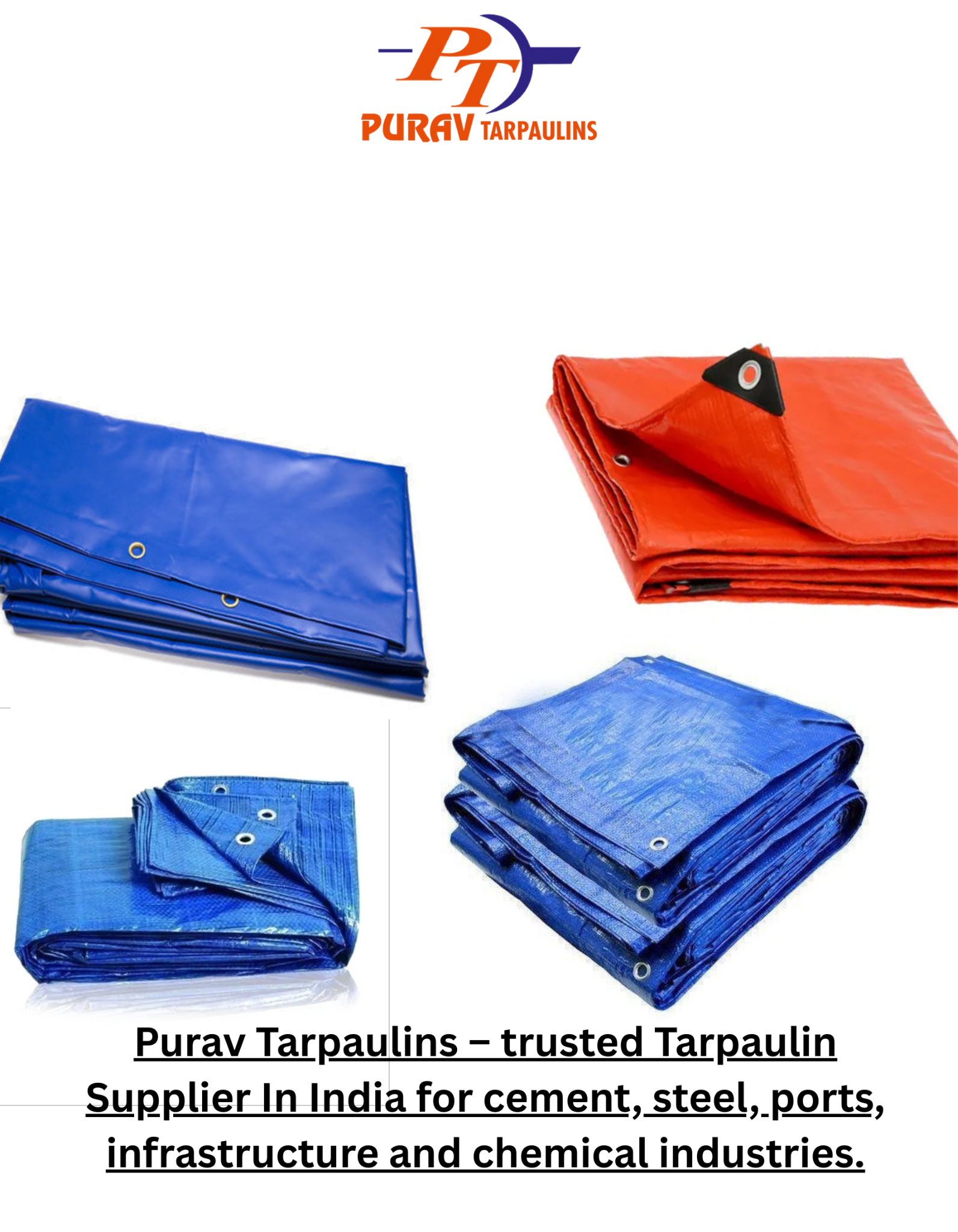
1. Why the Right Tarpaulin Supplier in India Matters in 2026
Weather extremes in India are increasing. Longer monsoons, hotter summers and more intense cyclones make exposed materials even more vulnerable in 2026 than a few years ago. Open stockyards, construction sites and logistics hubs face:
- Heavy, driving rain and continuous wetness
- Intense UV radiation, cracking cheaper sheets
- Dust, pollution and corrosive industrial fumes
- Strong winds in coastal and high‑altitude locations
For cement, steel, ports, infrastructure, fertilizer, grain and chemical sectors, failed covers mean:
- Moisture damage to clinker, coal, cement bags, minerals or grains
- Contamination and quality issues
- Disrupted loading, transport and dispatch schedules
- Extra labour for re‑handling and cleaning
A reliable tarpaulin supplier in India in 2026 should help you:
- Match fabric, GSM and design to your site’s specific climate and wind conditions.
- Supply consistent quality across multiple plants and regions.
- Offer installation support and technical guidance, not just fabric.
- Reduce total cost of ownership by extending tarp life and cutting downtime.
2. Types of Tarpaulins Offered by Indian Suppliers in 2026
A professional supplier will never push one generic product for every job. You should be able to choose from several types.
2.1 HDPE / PE Tarpaulins
- High‑density polyethylene woven fabric with LDPE lamination
- Lightweight but strong, fully waterproof
- UV‑stabilised for Indian sunlight
Common uses
- Clinker and coal stockpile covers
- Open‑yard storage of minerals, fertilizer and scrap
- Truck and trailer covers
- Temporary roofing and side‑covers on industrial sites
Benefits
- Cost‑effective per square metre
- Easy to handle, fold and repair
- Available in wide GSM range for short‑ or long‑term use
2.2 PVC Tarpaulins
- Polyester fabric coated with flexible PVC
- High tensile strength and tear resistance
- Excellent performance in high‑wind and high‑wear applications
Common uses
- Industrial curtains and partitions
- Monsoon sheds and semi‑permanent roofing
- Truck side‑curtains, container lining
- Pond lining and chemical‑resistant covers
Benefits
- Longer service life where mechanical stress is high
- Smooth surface, easy to clean and maintain
- Strong resistance to abrasion, oil and many chemicals
2.3 Cotton Canvas Tarpaulins
- Treated cotton canvas fabric
- Water‑repellent yet breathable
Common uses
- Agricultural produce and equipment covers
- Machinery where condensation control is important
- Eco‑conscious projects and government schemes
Benefits
- Reduces sweating and condensation
- Natural look and feel
2.4 Cross‑Laminated Tarpaulins
- Multiple film layers cross‑laminated for extra strength
- Very light but remarkably tough
Common uses
- Long‑term stock covers where weight must be low
- Packaging and exposed storage
- Reusable temporary roofing
Benefits
- High tear resistance
- Easy handling even for large sheets
2.5 Reinforcement Band Tarpaulins
- HDPE or PE tarps with extra reinforcement bands at stress points
- Designed for emergency and repeated‑use conditions
Common uses
- Disaster‑relief shelters
- Temporary camps and field warehouse roofs
- Situations involving frequent fixing and removal
Benefits
- Stronger eyelet and tie‑down zones
- Lower risk of tearing around attachment points
3. Technical Factors to Check in 2026 When Choosing a Tarpaulin Supplier in India
3.1 GSM and Strength
GSM (grams per square metre) gives a quick idea of fabric weight:
- 70–120 GSM – very light, short‑term or indoor use
- 150–250 GSM – standard outdoor covers, truck tarps
- 300+ GSM – heavy‑duty monsoon sheds, long‑term stockyard covers
In 2026, buyers are more aware that cheaper low‑GSM tarpaulins rarely survive a full monsoon. Ask suppliers for:
- GSM tolerance range
- Tensile and tear strength data
- Any in‑house or third‑party test reports
3.2 Waterproofing and UV Protection
For Indian industrial use, you should insist on:
- 100% waterproof lamination or coating
- UV‑stabilised raw materials to prevent cracking and chalking
Without proper UV stabilisers, tarps can become brittle in one season. Check how many years of UV life the supplier typically designs for in your region.
3.3 Fabrication Quality and Customisation
A lot of failures happen at seams and eyelets, not in the main fabric.
Your chosen tarpaulin supplier in India should offer:
- Heat‑sealed or welded seams with overlap designed for wind load
- Reinforced hems and corners
- Rust‑resistant eyelets at appropriate spacing
- Centre reinforcement bands for large covers
- Custom sizes, colours, shapes and printing (logos, yard numbers, safety messages)
3.4 Design, Installation and After‑Sales Support
In 2026, leading industrial buyers prefer suppliers who act as solution partners. Look for a supplier who:
- Visits your site or reviews layouts before suggesting a system
- Helps design monsoon sheds, stockpile covers and anchoring methods
- Offers or coordinates installation teams
- Trains your maintenance staff in proper handling, folding and storage
3.5 Supply Capability and Pan‑India Reach
For companies with multiple plants, consistent supply is critical. Evaluate:
- Years of experience and scale of operations
- Ability to service remote plant locations on time
- Stable quality between repeat orders
- Existing client base in cement, steel, ports, infra and chemicals
4. Industrial Applications Where a Good Indian Tarpaulin Supplier Makes a Difference
4.1 Open Stockyard and Raw Material Covering
Clinker, coal, fly ash, bauxite, minerals and fertilizer exposed to rain can degrade quickly. Well‑designed covers:
- Prevent moisture ingress and loss of strength
- Reduce run‑off pollution and housekeeping issues
- Help maintain consistent kiln and boiler performance
4.2 Monsoon Sheds and Temporary Structures
From 2026 onward, extreme rainfall events are expected to stay frequent. Monsoon sheds built with high‑quality tarpaulins:
- Protect machinery, packing lines and finished goods
- Provide sheltered workspaces for maintenance and fabrication
- Allow flexible expansion and dismantling after the season
PVC and high‑GSM HDPE tarps are commonly used here.
4.3 Transport and Logistics
For trucks, trailers and rail rakes, tarpaulins:
- Keep cargo safe from rain and theft
- Comply with load‑covering norms
- Prevent dust and spillage on highways
Correct GSM and reinforcement here reduce damage from flapping and high‑speed winds.
4.4 Sector‑Specific Uses
- Ports and terminals – ship‑side stockpiles, conveyor covers
- Steel plants – coil covers, billet storage, yard segregation
- Chemical and fertilizer industries – corrosion‑sensitive materials, bagged stock
- Agriculture and food – grain, fodder, vegetable and fruit protection
- Infrastructure projects – site offices, scaffolding covers, equipment sheds
5. Practical Checklist for Shortlisting a Tarpaulin Supplier in India (2026)
When you evaluate quotations, use the following checklist:
- Experience & References – Do they serve other plants in your sector?
- Range of Fabrics – Can they offer HDPE, PVC, canvas, cross‑laminated and special reinforced tarps?
- Technical Support – Will they study your site and recommend a design, or only send rates?
- Custom Fabrication – Can they handle very large sizes, special shapes and branding?
- Delivery Performance – What is their average lead time in monsoon season?
- Warranty / Quality Commitment – Do they back their products with clear quality parameters?
The lowest price per square metre is not always the lowest lifetime cost. Factor in service life, downtime due to failures and replacement labour when you make your 2026 purchase decisions.
6. Why Many Plants Choose Purav as Their Tarpaulin Supplier in India (2026)
Purav Tarpaulins has decades of experience supplying tarpaulin solutions across India. Industrial buyers choose Purav as their tarpaulin supplier in India for:
- Heavy‑duty performance tailored to Indian monsoon, heat and wind conditions
- Proven waterproofing – 100% waterproof grades for critical stockyards and sheds
- High UV and weather resistance thanks to advanced stabilisers and coatings
- Easy handling with lightweight options where quick shifting is required
- Custom‑built covers in multiple GSM, colours and reinforcement patterns
Our portfolio includes HDPE/PE tarpaulins, PVC tarps, cotton canvas, cross‑laminated and reinforcement band varieties, allowing you to match fabric exactly to application and budget.
To explore our full range and request a site‑specific quote for 2026, visit:
https://puravtarpaulins.in/tarpaulin-supplier-purav-tarpaulins/
7. FAQ – Tarpaulin Supplier in India (2026)
Q1. What GSM tarpaulin should I choose for 2026 monsoon stockyard covers?
For most exposed industrial stockyards, 200–300+ GSM is recommended depending on wind speed and structure design. Lighter fabrics may look economical but often fail mid‑season. A good supplier will study your yard and suggest the right GSM and reinforcement layout.
Q2. How long can a good tarpaulin last in India’s climate now?
Service life depends on fabric type, GSM, UV stabilisation and how the tarp is handled. In 2026, high‑quality HDPE and PVC tarps, installed correctly, can last multiple monsoon cycles. Cheap, low‑GSM products may need replacement within one season.
Q3. Can a tarpaulin supplier in India provide turnkey monsoon shed solutions?
Yes. Reputed suppliers like Purav Tarpaulins can support design, fabrication and installation of monsoon sheds, including steel or modular structures, anchoring and drainage planning.
Q4. Is PVC or HDPE better for my plant?
HDPE is usually lighter and more economical, ideal for large stockpiles and short‑ to medium‑term covers. PVC offers higher flexibility and abrasion resistance, suited for industrial curtains, truck side‑curtains and semi‑permanent roofing. Many plants use a mix of both based on application.
Q5. How do I ensure fast delivery before monsoon?
Finalise your requirement early in the year, share accurate sizes and layouts with your supplier, and confirm production slots. Working with a supplier that has strong manufacturing capacity and established logistics is critical for timely 2026 deliveries.
Q6. What maintenance practices extend tarpaulin life?
Avoid dragging sheets over rough surfaces, pad sharp corners, use proper fixing ropes or ratchets, and dry tarps before long‑term storage. Periodic inspection of eyelets, seams and support structures also reduces sudden failures.
8. People Also Ask – Quick Answers for 2026 Buyers
1. Who is the best industrial tarpaulin supplier in India in 2026?
“Best” depends on your sector and location, but suppliers with long experience in cement, steel, ports and infrastructure – such as Purav Tarpaulins – are preferred for critical applications because they combine strong products with technical guidance and pan‑India service.
2. How do I calculate the size of tarpaulin required for a conical stockpile?
Measure base diameter and height, then consult your supplier. Experienced teams use practical formulas and on‑ground experience to suggest optimum cover dimensions, overlap allowances and reinforcement bands.
3. Can tarpaulins withstand strong coastal winds and cyclones?
With proper design, anchoring and the right GSM and fabric, tarpaulin systems can handle high winds. For cyclone‑prone coastal sites, work closely with a supplier who understands wind‑load design and recommends stronger supports and fixing methods.
4. Are eco‑friendly tarpaulin options available in India in 2026?
Yes. Options include long‑life reusable HDPE and PVC tarps that reduce waste, special recyclable grades and cotton canvas for specific uses. Discuss environmental requirements with your supplier to choose the best balance between durability, safety and sustainability.
9. Final Thoughts for 2026 Procurement Teams
As you plan your 2026 monsoon strategy and storage expansion, reviewing your tarpaulin systems is a smart step. Focus less on the lowest quote and more on:
- Proven industrial experience
- Accurate technical advice and custom design
- Fabric and fabrication quality
- Reliable, on‑time supply
To work with a tarpaulin supplier in India that understands industrial challenges and offers end‑to‑end support, connect with Purav Tarpaulins today:
Tarpaulin Supplier – Purav Tarpaulins
👉 https://puravtarpaulins.in/tarpaulin-supplier-purav-tarpaulins/









Sign in to leave a comment.