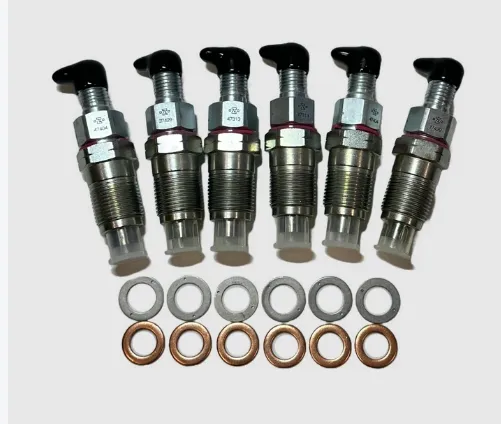
A TD42 Injector is an important component of a diesel fuel system, responsible for delivering fuel into the combustion chamber at the correct pressure and timing. When an injector starts to fail, it can affect the engine’s starting ability, fuel economy, power, idle quality, and overall performance. Injector problems can develop gradually, making them difficult to identify until the symptoms become noticeable. Understanding the common causes of injector failure and knowing how to recognize the warning signs can help prevent more serious engine problems and unnecessary repair costs.
What Does a TD42 Injector Do?
A diesel injector has a simple but critical job. It delivers a precisely measured amount of fuel into the combustion chamber and produces a fine spray that can mix effectively with the compressed air.
The quality of this fuel spray has a direct effect on combustion. When the injector is operating correctly, fuel is distributed in a controlled pattern. This helps the engine produce consistent power while maintaining efficient fuel consumption.
Over time, however, the injector can become contaminated, worn, or damaged. Even a small change in fuel delivery can affect how smoothly the engine runs.
Common Causes of TD42 Injector Failure
Several factors can contribute to injector failure. Some are related to fuel quality and maintenance, while others are caused by normal wear or operating conditions.
Contaminated Fuel
Dirty fuel is one of the most common causes of injector problems. Small particles of dirt, rust, or other contaminants can enter the fuel system and eventually reach the injector.
Because injector components are manufactured with very small tolerances, contamination can interfere with their movement and restrict the fuel passages. Water contamination can also cause corrosion and affect injector performance.
Keeping the fuel system clean and replacing the fuel filter when necessary can help reduce the risk of contamination.
Poor Fuel Quality
The quality of diesel fuel has a significant impact on fuel-system components. Fuel containing excessive contaminants or fuel that has been stored improperly may contribute to deposits and poor combustion.
Repeated exposure to poor-quality fuel can cause deposits to build up around the injector nozzle. These deposits may change the shape of the fuel spray and reduce combustion efficiency.
Normal Wear
Injectors operate under high pressure and temperature and perform their function thousands of times during engine operation. Like other mechanical components, they eventually experience wear.
Internal components may become worn after extended use, causing changes in fuel delivery or injection pressure. An injector may continue to work even when it is no longer operating at its best.
Incorrect Injection Pressure
Correct injection pressure is essential for proper diesel combustion. If the pressure is too low, too high, or inconsistent, the injector may not produce the correct spray pattern.
Incorrect pressure can lead to poor fuel atomization, incomplete combustion, increased smoke, rough running, and reduced engine performance.
Carbon and Deposit Buildup
Incomplete combustion can contribute to carbon and fuel deposits around the injector nozzle. As deposits accumulate, they can interfere with the fuel spray.
Instead of producing a fine and consistent spray, a dirty nozzle may produce an uneven spray pattern. This can cause inefficient combustion and may contribute to increased fuel consumption and exhaust smoke.
Signs of a Failing TD42 Injector
Injector failure does not always happen suddenly. In many cases, the engine provides several warning signs before an injector stops functioning properly.
Hard Starting
One of the first symptoms may be difficulty starting the engine. The engine may require more cranking than normal before it starts, particularly after sitting for an extended period.
A faulty injector may not deliver the correct amount of fuel during starting. However, hard starting can also be caused by other fuel-system, electrical, or engine-related problems, so proper diagnosis is important.
Rough Idle
A healthy diesel engine should maintain a relatively consistent idle. If one injector is delivering fuel differently from the others, the engine may develop an uneven or rough idle.
You may notice increased vibration, inconsistent engine speed, or a noticeable change in the sound of the engine.
Excessive Exhaust Smoke
Changes in exhaust smoke can indicate a combustion problem.
Black smoke can occur when too much fuel is being delivered or when the available air is insufficient for complete combustion. White smoke may occur when fuel is not burning properly, particularly during cold starting. Blue smoke is generally more closely associated with oil consumption than injector failure.
Because smoke can have several causes, it should be considered together with other symptoms.
Loss of Engine Power
A damaged or poorly performing injector can reduce combustion efficiency. The engine may feel weaker during acceleration or when carrying a heavy load.
If the loss of power occurs together with rough running, smoke, or increased fuel consumption, the fuel system should be inspected.
Increased Fuel Consumption
An injector that does not deliver fuel correctly can cause the engine to use more fuel than normal.
If fuel consumption suddenly increases without a major change in driving conditions, it is worth checking the fuel system. Injector condition should be considered along with other possible causes such as air intake restrictions or mechanical problems.
How to Diagnose Injector Problems
Correct diagnosis is important because injector symptoms can be similar to problems caused by other engine components.
Inspect the Fuel System
The first step is to check the fuel supply system. The fuel filter, fuel lines, and fuel itself should be inspected for contamination, restrictions, or leaks.
If dirty or water-contaminated fuel is found, the underlying contamination should be addressed before installing or servicing an injector.
Test the Injector
A proper injector test can provide much more information than simply listening to the engine or looking at the exhaust.
Testing can check factors such as opening pressure, leakage, and spray pattern. If an injector produces an incorrect spray pattern or does not maintain the required pressure, servicing or replacement may be necessary.
Check Engine Compression
Not every rough-running diesel engine has an injector problem. Low compression in one cylinder can produce symptoms that look similar to a fuel-delivery fault.
For this reason, compression and other relevant engine systems should be checked when injector testing does not fully explain the problem.
How to Fix a Failing TD42 Injector
The correct repair depends on the condition of the injector and the reason it failed.
Clean the Fuel System
If contamination is responsible for the problem, cleaning the fuel system should be part of the repair. The fuel filter may need to be replaced, and contaminated fuel should be removed.
Simply installing a new injector without addressing contaminated fuel can allow the same problem to happen again.
Service the Injector
An injector that has deposits or certain types of minor problems may be suitable for professional cleaning and servicing.
After servicing, the injector should be tested to confirm that its pressure, leakage characteristics, and spray pattern are within acceptable limits.
Replace the Injector
If an injector has significant internal wear, a damaged nozzle, excessive leakage, or other serious defects, replacement may be the most appropriate solution.
The replacement injector should be correctly installed and tested. Proper installation is important for achieving reliable fuel delivery and preventing leaks.
How to Prevent Injector Failure
Regular maintenance can significantly reduce the likelihood of injector problems.
Use Clean Diesel Fuel
Good-quality, clean fuel helps protect the entire fuel system. Fuel should also be stored properly to reduce the possibility of water and dirt entering the system.
Replace the Fuel Filter
The fuel filter protects sensitive fuel-system components from contaminants. A blocked or poorly maintained filter can reduce fuel-system performance and allow contamination to become a larger problem.
Following the recommended maintenance schedule for the fuel filter is an important part of injector care.
Do Not Ignore Early Symptoms
Small changes in engine behavior should not be ignored. Hard starting, rough idle, unusual smoke, reduced power, or increased fuel consumption can indicate that something needs attention.
Finding the cause early can make the repair simpler and help prevent additional damage.
Should All Injectors Be Replaced Together?
If one injector develops a problem, it does not automatically mean that every injector needs to be replaced. However, the other injectors should be tested, particularly if they have similar operating hours.
Testing the complete set can reveal whether the problem is isolated or whether multiple injectors are showing signs of wear. Replacing only a defective injector may be appropriate when the remaining injectors are still within acceptable operating condition.
When Should a TD42 Injector Be Replaced?
There is no universal replacement interval because injector life depends on fuel quality, maintenance, operating conditions, engine use, and overall fuel-system condition.
An injector should generally be considered for replacement when testing shows excessive wear, incorrect pressure, poor spray quality, significant leakage, or physical damage.
Replacing a worn injector can help restore proper fuel delivery, but it is equally important to identify why the injector failed in the first place.
Final Thoughts
TD42 injector failure can have a noticeable effect on diesel engine performance. Contaminated fuel, poor fuel quality, normal wear, incorrect injection pressure, and carbon deposits are among the most common causes.
Hard starting, rough idling, excessive smoke, reduced power, and increased fuel consumption are important warning signs. However, these symptoms can also be caused by other engine or fuel-system problems, so accurate testing should be performed before replacing an injector.
Good fuel-system maintenance, clean diesel fuel, regular filter replacement, and early attention to performance changes can help extend injector life. When an injector is worn or damaged, proper testing, servicing, or replacement can restore efficient fuel delivery and help keep the engine running reliably.




















Sign in to leave a comment.