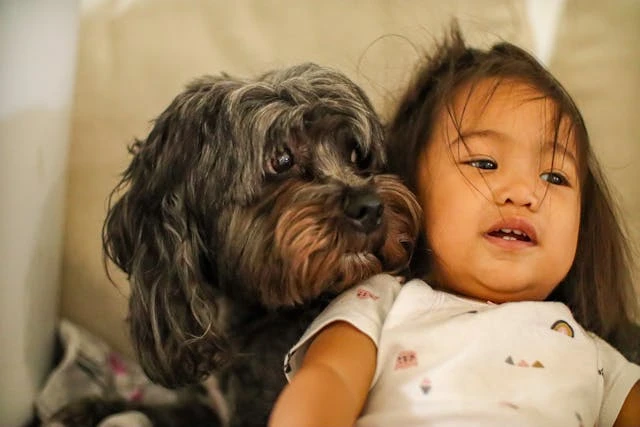

Pets hold a special place in our hearts, providing companionship, joy, and countless unforgettable moments. However, it\'s essential to foster an understanding of pet body language to truly nurture a harmonious relationship between children and pets.
Teaching kids how to interpret the subtle cues and signals that animals use to communicate can enhance their safety around pets and cultivate empathy and respect for our furry friends. This guide explores the importance of teaching pet body language to kids, discussing common signs and behaviors exhibited by pets, and providing practical tips for educating children on how to interact safely and respectfully with animals.
The Importance of Understanding Pet Body Language:
Pets communicate with us through their body language, using a combination of facial expressions, posture, vocalizations, and tail movements to convey their emotions, needs, and intentions. For children, who may not yet possess the verbal or social skills to interpret these cues intuitively, understanding pet body language is crucial for fostering positive interactions and preventing misunderstandings or accidents.
By teaching kids how to recognize and respond appropriately to pet body language, we empower them to:
- Stay Safe: Understanding when a pet is feeling anxious, scared, or threatened can help children avoid situations that may lead to bites or scratches. Recognizing warning signs such as flattened ears, raised fur, or growling signals that it\'s time to give the pet space and refrain from approaching or touching them.
- Build Trust: Pets thrive in environments where they feel safe and understood. By respecting their boundaries and responding sensitively to their signals, children can build trust and deepen their bond with their furry companions, fostering a relationship based on mutual respect and affection.
- Develop Empathy: Learning to empathize with animals and appreciate their perspectives cultivates compassion and kindness in children. By recognizing that pets experience emotions and communicate uniquely, kids gain a deeper understanding of the needs and feelings of other living beings, laying the foundation for empathy, independence, and responsible pet ownership.
Common Signs of Pet Body Language:
To effectively teach kids about pet body language, it\'s essential to familiarize them with common signs and behaviors exhibited by dogs, cats, and other popular pets:
- Dogs:
- Relaxed body posture: Loose, wiggly body with a wagging tail indicates a friendly and approachable dog.
- Tense or stiff body: Stiff posture, raised fur, and a rigid tail may signal fear, aggression, or discomfort.
- Lip licking, yawning, or avoiding eye contact: These subtle behaviors can indicate stress or anxiety in dogs.
- Ears: Forward-facing ears typically indicate attentiveness and curiosity, while pinned-back ears may suggest fear or aggression.
- Panting: Excessive panting, especially when not hot or after exertion, can be a sign of stress or discomfort in dogs.
- Cats:
- Purring and kneading: Indicates contentment and relaxation in cats.
- Hissing, growling, or swatting: Signs of fear, aggression, or discomfort in cats.
- Tail position: A relaxed, upright tail with a slight curve at the tip indicates a happy cat, while a puffed-up tail or one held low and tucked between the legs may signal fear or aggression.
- Slow blinking: Cats often "cat blink" or slowly close and open their eyes as a sign of trust and relaxation.
Educational Strategies for Teaching Pet Body Language to Kids:
To effectively teach pet body language to kids, consider implementing the following educational strategies:
- Hands-On Learning: Encourage children to interact with pets under adult supervision, observing their behaviors and discussing what they mean. Use positive reinforcement and praise to reinforce safe and respectful interactions.
- Visual Aids: Utilize books, videos, and online resources featuring illustrations or videos of pet body language to help children recognize and interpret different cues and signals.
- Role-Playing: Engage children in role-playing scenarios where they mimic pet behaviors and practice responding appropriately to different situations. This hands-on approach helps reinforce learning and builds confidence in interpreting pet body language.
- Open Dialogue: Foster open communication with children about their observations and experiences with pets. Encourage them to ask questions, express concerns, and share their thoughts and feelings, creating a supportive environment for learning and exploration.
- Positive Reinforcement: Reward children for demonstrating safe and respectful interactions with pets, whether through verbal praise, small treats, or other incentives. Positive reinforcement helps reinforce desired behaviors and encourages children to continue practicing responsible pet handling.
Navigating interactions with pets safely
Teaching pet body language to kids is an invaluable investment in their safety, well-being, and development as compassionate and responsible individuals. By empowering children with the knowledge and skills to interpret pet cues and signals, we equip them to navigate interactions with pets safely, build meaningful connections based on trust and empathy, and cultivate lifelong relationships grounded in respect and understanding. Through educational strategies such as hands-on learning, visual aids, role-playing, open dialogue, and positive reinforcement, we can instil in children a profound appreciation for the unique language of animals and inspire them to become compassionate stewards of the animal kingdom.









Sign in to leave a comment.