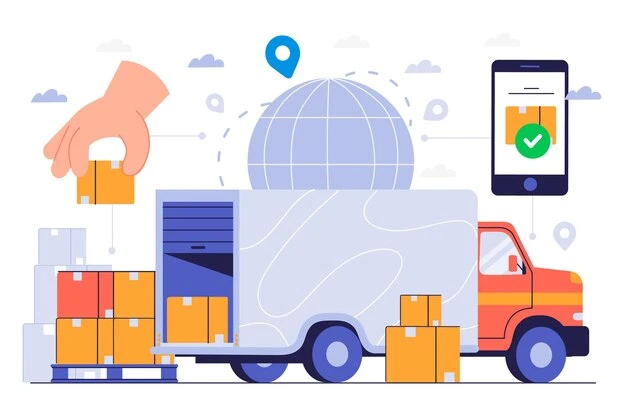

The logistics industry plays a crucial role in the global economy, facilitating the movement of goods and ensuring efficient supply chain management. With the rise of technology, Uber-for logistics apps have emerged as powerful tools to streamline operations, optimize deliveries, and enhance customer experiences. This article explores the technical requirements for building such an app.
Understanding the Logistics Industry
Before delving into the technical aspects, it is essential to understand the logistics industry's dynamics. Logistics involves planning, implementing, and controlling the flow of goods from the point of origin to the point of consumption.
It encompasses transportation, warehousing, inventory management, and order fulfillment. By comprehending the intricacies of this industry, developers can tailor their solutions to address specific challenges and provide efficient logistics services.
Overview of Uber-for logistics apps
Uber-for-logistics apps have revolutionized the way goods are transported and managed. These apps provide a digital platform that connects shippers and carriers, enabling seamless coordination, real-time tracking, and transparent communication.
They offer features like order placement, route optimization, payment processing, and rating systems. Logistics apps enhance operational efficiency, improve customer satisfaction, and drive business growth by emulating the successful model of ride-hailing apps like Uber.
Market Opportunities and Challenges
The logistics industry presents significant market opportunities for app developers. With the increasing demand for e-commerce and same-day deliveries, there is a growing need for innovative logistics solutions.
Companies can tap into this expanding market by developing an Uber-for-logistics app and offering value-added services. However, it is crucial to recognize challenges like fierce competition, complex regulations, and scalability issues. Adapting to market demands and overcoming these challenges is key to success.
Benefits of Logistics App Development
Creates a good company reputation
Implementing a ready-made logistics app can significantly enhance a company's reputation by building trust and loyalty by providing customers with a seamless and convenient platform to manage their shipments.
A user-friendly app with intuitive features and transparent communication instills confidence in customers, making them more likely to choose a company's services over competitors.
Simplify the Supply Chain Process
Logistics apps simplify the supply chain process by streamlining various operations. These apps automate manual tasks from order placement to shipment tracking, reducing human errors and saving time.
Automated notifications and updates keep stakeholders informed about the progress of their shipments, improving communication and collaboration across the supply chain.
Shorten the delivery time and cost
Efficient logistics apps optimize route planning and utilize real-time tracking to minimize delivery time and cost. These apps ensure drivers take the most efficient routes by integrating GPS technology and route optimization algorithms.
This not only reduces fuel consumption but also enhances overall productivity. Additionally, by offering multiple delivery options and optimizing load distribution, logistics apps help minimize transportation costs.
Also Read: Benefits of Digital Marketing & Why It's Essential for Every Business!
Backend Development
Choosing the Right Technology Stack
When it comes to backend development, selecting the appropriate technology stack is crucial. Factors such as scalability, security, and performance should be considered.
Developers can choose from popular frameworks and languages like Node.js, Ruby on Rails, or Django, depending on the specific requirements of the app. The technology stack should align with the app's functionalities and ensure seamless integration with other systems.
Data Management and Storage
Efficient data management and storage are essential for logistics apps. With vast amounts of data being generated, it is crucial to implement robust database systems and storage solutions.
Whether using relational databases like MySQL or NoSQL databases like MongoDB, data should be structured, organized, and easily retrievable. Data backup and recovery mechanisms are also essential to safeguard against data loss.
API Development and Integration
API development and integration enable seamless communication and data exchange between various app components. APIs facilitate integration with third-party services, such as payment gateways, geolocation services, and mapping platforms.
Developers must design and implement well-documented APIs that adhere to industry standards, ensuring compatibility and scalability. This allows for future integrations and expansions without disrupting the app's core functionalities.
User Interface (UI) and User Experience (UX) Design
Designing an Intuitive User Interface
A logistics app's user interface (UI) should be intuitive, visually appealing, and easy to navigate. Users should be able to access essential features and information effortlessly. Clear and concise menus, icons, and labels create a smooth user experience.
Using user feedback during the design process helps identify pain points and optimize the UI for improved usability.
Creating a Seamless User Experience
User experience (UX) design is vital in ensuring customer satisfaction. Seamless interactions, minimal loading times, and responsive design enhance the overall experience. Implementing features like auto-fill forms, personalized recommendations, and contextual notifications improve convenience and engagement.
Conducting usability testing and gathering user feedback allow continuous improvements and refinement of the app's UX.
Incorporating Feedback and Iterative Design
A user-centric approach involves gathering and incorporating user feedback into the app's design and functionality. User feedback helps identify areas for improvement, uncover usability issues, and understand user preferences.
By embracing an iterative design process, developers can refine the app based on user insights, ensuring that it evolves to meet the changing needs and expectations of the target audience.
Geolocation and Mapping Integration
Implementing Real-Time Geolocation Tracking
Real-time geolocation tracking is a crucial feature of logistics apps. It allows users to track shipments, monitor delivery progress, and estimate arrival times accurately.
Logistics apps can provide real-time location updates by integrating GPS technology and leveraging mobile device capabilities. Implementing geolocation services with robust accuracy and minimal latency ensures a reliable tracking experience for users.
Integrating Maps and Route Optimization
Integrating mapping platforms into logistics apps enables efficient route planning and optimization. Maps provide drivers with clear directions and real-time traffic updates, helping them navigate to destinations efficiently.
By leveraging route optimization algorithms, logistics apps can calculate the most optimal routes based on distance, traffic conditions, and delivery priorities. This optimization reduces fuel consumption, minimizes delivery time, and enhances operational efficiency.
Utilizing Geofencing for Enhanced Security
Geofencing is a valuable security feature that logistics apps can employ. Logistics companies can ensure better security and operational control by defining virtual boundaries or geofences around specific locations, such as warehouses or customer delivery zones.
Geofencing allows for automated alerts and notifications when a vehicle enters or exits a designated area. This enhances the overall safety of the logistics process and enables proactive monitoring and response.
Payment Gateway Integration
Implementing Secure Payment Transactions
In the context of a logistics app, secure payment transactions are crucial for building trust and ensuring a seamless customer experience. When integrating a payment gateway, developers must prioritize security measures to protect sensitive user information.
This involves implementing encryption protocols, secure authentication processes, and compliance with industry standards such as PCI DSS (Payment Card Industry Data Security Standard). By providing a secure payment environment, logistics apps can instill confidence in users and encourage them to utilize the app for their transactions.
Managing Different Payment Methods
Logistics apps should offer users a variety of payment methods to cater to their preferences and convenience. This includes integrating popular payment options like credit and debit cards, mobile wallets, and alternative payment solutions like digital currencies.
By supporting diverse payment methods, logistics apps can cater to a broader user base and provide a seamless payment experience. However, ensuring smooth integration and coordination with different payment service providers is essential, verifying the availability of necessary APIs and maintaining robust error-handling mechanisms.
Rating and Feedback System
Designing a Rating System
Implementing a rating system within a logistics app allows users to provide feedback and rate their experiences. The rating system should be intuitive and user-friendly, enabling users to easily assign ratings and leave comments.
Developers should consider implementing a structured rating system, allowing users to rate various aspects such as delivery speed, communication, and overall service quality. This data can then be used to evaluate performance, identify areas for improvement, and maintain high service standards.
Implementing Improvements Based on Feedback
The feedback received through the rating system plays a crucial role in continuously improving the logistics app. It is essential to have mechanisms to collect and analyze user feedback systematically. Logistics companies can gain valuable insights into their strengths and weaknesses by monitoring user reviews, comments, and ratings.
This information can guide future enhancements and updates to the app, addressing user concerns and improving the overall user experience. Regularly reviewing feedback and implementing iterative design changes based on user input demonstrates a commitment to meeting user expectations and continuously evolving the app.
Performance Optimization and Scalability with Uber-for logistics app
Enhancing App Speed and Responsiveness
Performance optimization ensures a logistics app delivers a fast and responsive user experience. App developers should optimize loading times, minimize latency, and reduce response times to user interactions.
Techniques such as caching, code optimization, and server-side rendering can be employed to enhance app speed. Additionally, using asynchronous processing and implementing efficient algorithms can improve app performance. Logistics apps can provide a seamless and satisfying user experience by prioritizing speed and responsiveness.
Load Testing and Performance Monitoring
To ensure optimal performance, load testing and performance monitoring are essential steps in the development process. Load testing involves simulating high user loads to identify bottlenecks and performance limitations.
By subjecting the app to realistic usage scenarios, developers can assess its ability to handle concurrent user interactions, process requests, and scale accordingly. Performance monitoring involves monitoring key metrics, such as response time, server load, and database performance. This allows for proactive identification and resolution of performance issues, ensuring the app operates smoothly even during peak usage.
Conclusion
Building an Uber-for logisticsapp requires careful consideration of various technical requirements. Each aspect contributes to a robust and user-friendly app, from backend development and UI/UX design to geolocation integration, payment gateway implementation, and performance optimization.








Sign in to leave a comment.