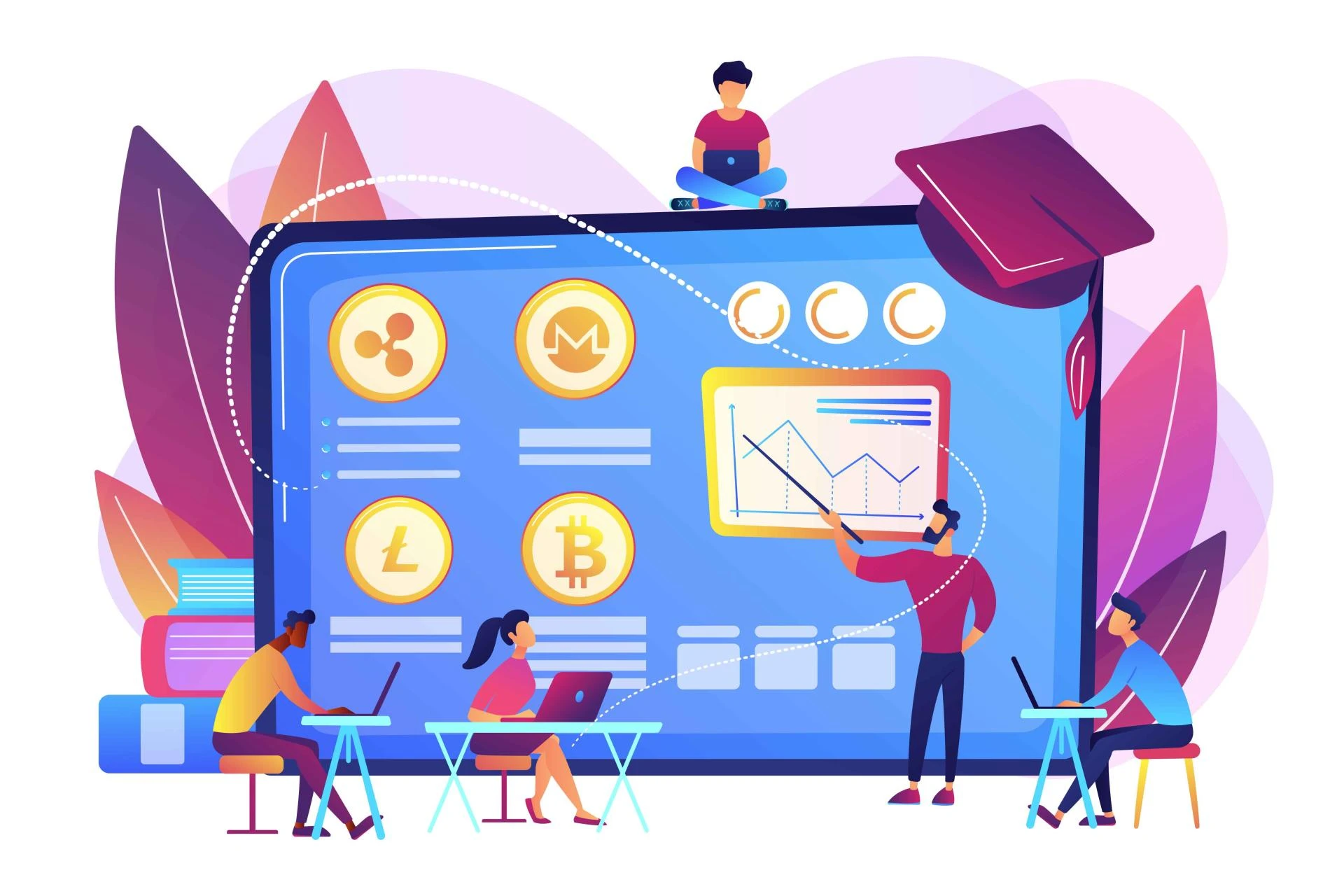

In the 21st century, technology has revolutionized nearly every aspect of our lives, and education is no exception. Integrating digital tools into classrooms is not just a trend but a transformative shift reshaping how students learn and teachers teach. With advancements in IT solutions for the education industry, classrooms are evolving into dynamic spaces that foster creativity, collaboration, and critical thinking.
Enhancing Learning Experiences
Technology provides students with interactive and engaging learning experiences. Smartboards, virtual reality (VR), and augmented reality (AR) make complex concepts easier to understand by visualizing them in 3D. For instance, a biology class can use VR to explore the human body in detail, or a history lesson can transport students to ancient civilizations through immersive simulations. These tools make learning more relatable and fun, enhancing retention and comprehension.
Moreover, educational software and apps allow personalized learning tailored to each student's pace and style. Artificial intelligence (AI) platforms assess individual performance and adapt content to meet specific needs. This personalized approach ensures no student is left behind, bridging gaps in understanding and fostering confidence.
Bridging Accessibility Gaps
Technology is also breaking down barriers in education by improving accessibility. Online learning platforms and digital resources ensure that students in remote or underserved areas can access high-quality education. IT solutions for the education industry have enabled institutions to offer online courses, recorded lectures, and virtual classrooms, making education more inclusive.
Additionally, assistive technologies, such as screen readers for visually impaired students and speech-to-text tools for those with learning disabilities, empower students to overcome challenges and succeed academically.
Empowering Educators
For teachers, technology is a game-changer. IT solutions streamline administrative tasks, allowing educators to focus more on teaching. Tools like Learning Management Systems (LMS) enable teachers to seamlessly create, distribute, and assess assignments. Platforms such as Google Classroom and Microsoft Teams foster collaboration, enabling real-time interaction between teachers and students.
Professional development for teachers has also improved significantly with the advent of technology. Online courses, webinars, and digital resources allow educators to enhance their skills and stay updated with the latest teaching methodologies.
Preparing Students for the Future
The integration of technology in education prepares students for a digital future. With IT solutions for the education industry, schools can teach critical 21st-century skills such as coding, data analysis, and digital literacy. These skills are essential in a technology-driven world, ensuring students are well-equipped for future careers.
Furthermore, technology fosters collaboration and problem-solving. Group projects using cloud-based tools, for example, simulate real-world work environments, encouraging teamwork and innovation.
Challenges and the Way Forward
Despite its benefits, the adoption of technology in education comes with challenges. The digital divide, cybersecurity concerns, and adequate teacher training are significant hurdles. To address these, governments, educators, and tech companies must work together to ensure equitable access, robust security measures, and practical training programs.
Conclusion
Technology is not merely a tool for education but a transformative force redefining classrooms for the digital era. By leveraging IT solutions for the education industry, schools can create an enriched learning environment that empowers students and teachers alike. As technology continues to evolve, its potential to revolutionize education is limitless, paving the way for a brighter, more inclusive future.











Sign in to leave a comment.