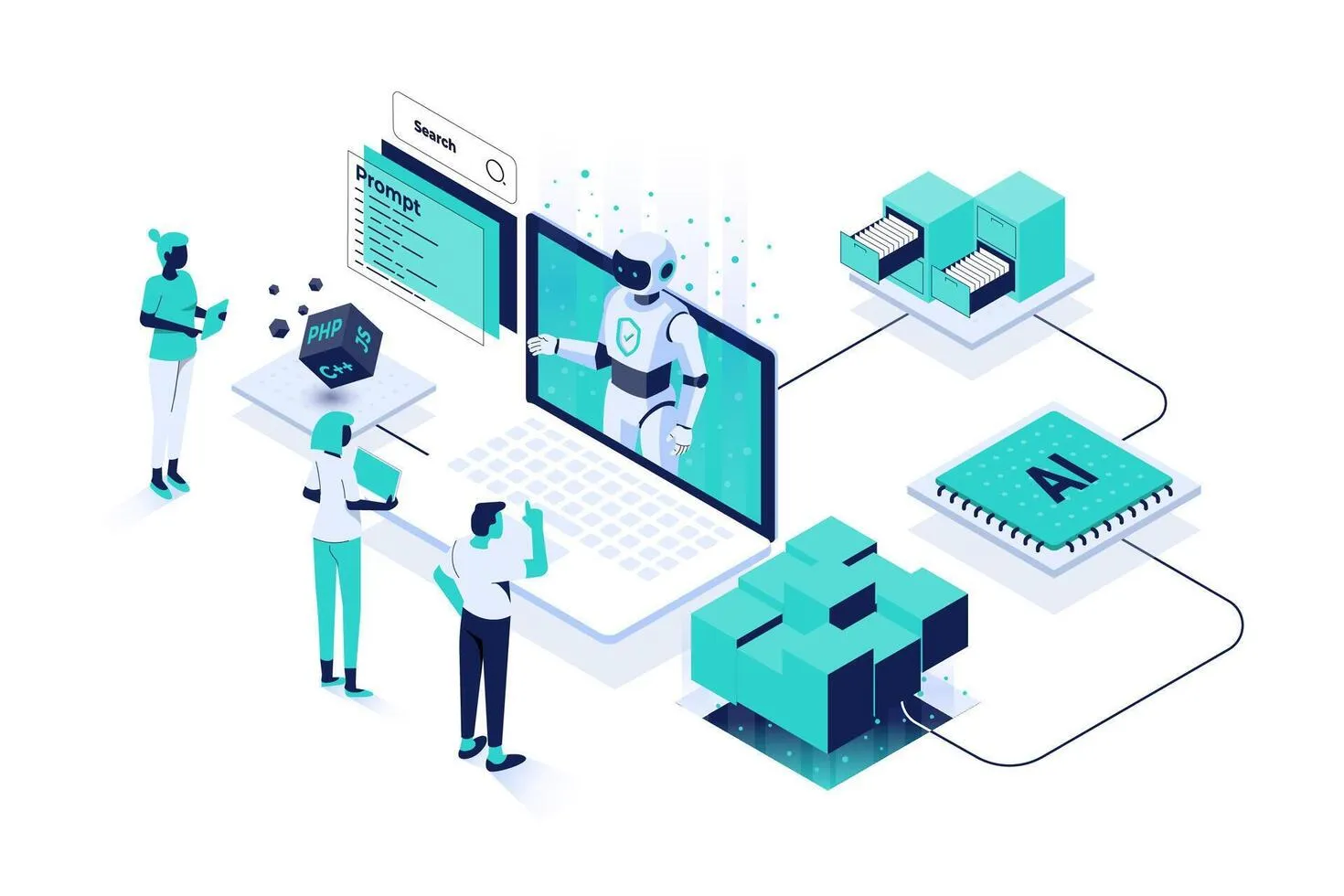

Modern web design is no longer purely visual. The junction of art and technology is now at the heart of web design, determining its performance, scalability, and overall functionality. Harmonious combinations of front-end and back-end development and the latest technologies can make your website more attractive, increase its performance, and ensure its long-term success. Here are some key ideas and practices that will help you get the best out of web design and development technologies.
The Main Topics Covered by Web Design and Development
Design artificial intelligence (AI): AI tools for rapid prototype creation, coding, localization, and personalization of web content at scale
No-code and low-code platforms: Figma, Webflow, WordPress, and other design and development software with integrated publishing capabilities
Core Web Vitals: image optimization, fast loading times, lean CSS and JS for speed, and server-side rendering for performance
Design systems: UI kits, tokens, and design system software for Figma, Webflow, React, and Vue, used in enterprise-level web development
Standard Tech Stack for Web Development
| Layer | Primary Technologies | Purpose |
|---|---|---|
| Design & Prototyping | Figma, Adobe XD, Penpot | UI/UX visual layout, component variants, and interactive prototyping |
| Front-End Frameworks | React, Next.js, Vue, Tailwind CSS | Building modular, stateful, and responsive user interfaces |
| CMS & Data Layer | Webflow, Headless WordPress, Sanity, Strapi | Managing content independently from the front-end presentation layer |
| Optimization & Hosting | Vercel, Netlify, Cloudflare, AWS | Global CDN distribution, edge rendering, and continuous integration |
The Best Practices for Web Design and Development
Always design your components in your design software with code in mind: use auto-layouts and code-friendly components so that your code looks clean and semantic.
Focus on mobile-first responsive design: always write CSS code for mobile view first and then transform it into a larger view using media queries.
Establish a single source of truth: use design tokens so that you can synchronize design and code changes in CSS variables or design systems
Automate code quality checks: run accessibility and performance audits as part of your CI/CD so that you can detect and fix CLS and INP issues.



















Sign in to leave a comment.