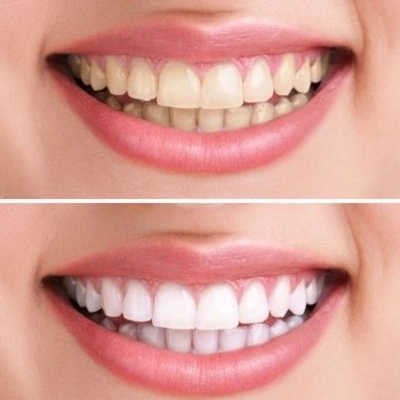

A bright, white smile is often considered a sign of good oral health and is highly desirable for many people. As a result, teeth whitening has become a popular cosmetic dental procedure. However, with its popularity, numerous myths and misconceptions have arisen surrounding the practice of teeth whitening. In this comprehensive guide, we will debunk common teeth whitening myths, providing accurate information and helping you make informed decisions about improving the appearance of your smile.
Myth 1: Teeth Whitening Damages Tooth Enamel
One of the most prevalent myths about teeth whitening is that it damages tooth enamel. Tooth enamel is the outer protective layer of your teeth, and many people worry that teeth whitening treatments can weaken or harm it. In reality, professional teeth whitening Abu Dhabi procedures, when administered by trained dental professionals, are safe and do not damage tooth enamel.
Professional teeth whitening treatments primarily use hydrogen peroxide or carbamide peroxide as the active bleaching agent. These compounds break down into oxygen and water, effectively whitening the teeth without causing harm to the enamel. However, overuse or misuse of at-home teeth whitening products, particularly those with high concentrations of bleaching agents, can lead to enamel erosion and increased tooth sensitivity. Therefore, it's essential to follow your dentist's recommendations and guidelines when undergoing teeth whitening.
Myth 2: Teeth Whitening Is Painful
Another common misconception is that teeth whitening is a painful procedure. While some individuals may experience temporary tooth sensitivity or gum irritation, this is generally mild and short-lived. Teeth whitening products are formulated to minimize discomfort and are usually well-tolerated.
In-office teeth whitening treatments are performed under the supervision of a dental professional who can ensure your comfort and address any concerns. Furthermore, modern advancements in teeth whitening have led to the development of desensitizing agents and gels, making the process even more comfortable.
It's important to communicate any concerns about potential discomfort with your dentist, as they can adjust the treatment to suit your needs and preferences.
Myth 3: Teeth Whitening Results Are Permanent
Many people believe that teeth whitening provides permanent results, but this is not accurate. The longevity of teeth whitening outcomes depends on several factors, including your oral hygiene, dietary habits, and lifestyle choices.
Teeth naturally accumulate stains over time, primarily due to the consumption of staining beverages like coffee, tea, and red wine, as well as habits like smoking. Teeth whitening effectively removes these surface stains, but they can gradually reappear if you continue these habits. Professional teeth whitening results typically last between 6 months to 2 years, and occasional touch-up treatments may be necessary to maintain the desired level of whiteness.
Myth 4: Over-the-Counter Whitening Products Are as Effective as Professional Treatments
Over-the-counter teeth whitening products, such as whitening strips and toothpaste, have become increasingly popular. While these products can provide some improvement in teeth color, they are generally less effective than professional teeth whitening treatments.
Professional whitening procedures are performed under the supervision of dental experts and use higher concentrations of bleaching agents, which can produce more dramatic and longer-lasting results. Moreover, professional treatments are tailored to the individual's specific needs and monitored to ensure safety and effectiveness.
Over-the-counter products may work well for minor staining or as maintenance after professional treatment, but they are not as potent as in-office procedures.
Myth 5: All Teeth Can Be Whitened Equally
Another common myth is that all teeth can be whitened to the same extent. In reality, the outcome of teeth whitening can vary from person to person based on several factors, including the initial shade of the teeth, the cause of discoloration, and the treatment method used.
Teeth with intrinsic stains, which originate from within the tooth, may be more challenging to whiten than those with extrinsic stains, which are on the tooth's surface. Additionally, individuals with yellowish teeth tend to respond better to teeth whitening than those with gray or brown discoloration.
Your dentist will assess your teeth's condition and advise you on the most suitable treatment to achieve the desired level of whiteness.
Myth 6: Whitening Toothpaste Can Replace Professional Treatments
Whitening toothpaste is a common product on the market, and many people believe that using it can replace professional teeth whitening treatments. While whitening toothpaste may help remove surface stains and maintain the results of professional whitening, it cannot provide the same level of improvement or offer permanent, dramatic changes in tooth color.
Professional teeth whitening treatments use higher concentrations of bleaching agents and are tailored to the individual's needs. They are designed to deliver more noticeable results within a shorter time frame. Whitening toothpaste, on the other hand, can be a part of your daily oral hygiene routine but should not be considered a substitute for professional whitening, especially if you have significant discoloration or desire substantial whitening.
Myth 7: Teeth Whitening Is Unsafe During Pregnancy
Some individuals believe that teeth whitening is unsafe for pregnant or breastfeeding women. While it is advisable to be cautious during pregnancy and consult with your healthcare provider about any elective medical procedures, professional teeth whitening is generally considered safe for pregnant and breastfeeding women.
Professional teeth whitening treatments are localized to the mouth and do not release harmful chemicals that can be absorbed into the bloodstream. However, it's essential to communicate your pregnancy or breastfeeding status with your dentist to ensure the appropriate precautions are taken.
Myth 8: Teeth Whitening Makes Teeth More Sensitive Permanently
It is true that some individuals experience temporary tooth sensitivity after teeth whitening, but this sensitivity is not typically permanent. The sensitivity, if it occurs, is usually mild and should resolve within a few days to a couple of weeks.
Teeth whitening products may cause temporary sensitivity by dehydrating the teeth or affecting the nerve endings. Using desensitizing toothpaste or gels recommended by your dentist can help alleviate this discomfort.
It's crucial to differentiate between temporary sensitivity and permanent damage to tooth enamel, which is not a common outcome of professional teeth whitening when administered correctly.
Myth 9: Teeth Whitening Is Only for Cosmetic Purposes
While teeth whitening is primarily a cosmetic procedure aimed at improving the appearance of your smile, it can also have other benefits. A brighter smile often leads to increased self-confidence, which can positively impact various aspects of your life, including personal relationships and professional opportunities.
Additionally, teeth whitening can serve as a motivation to maintain good oral hygiene habits. People who invest in teeth whitening are more likely to take better care of their teeth and gums, leading to overall improved oral health.
Myth 10: Anyone Can Whiten Their Teeth
While teeth whitening is generally a safe and effective procedure, it may not be suitable for everyone. Individuals with specific dental conditions, such as gum disease, cavities, or very sensitive teeth, may not be ideal candidates for teeth whitening without addressing these underlying issues first.
It's crucial to consult with a dentist before undergoing teeth whitening to ensure your oral health is in good condition and to determine the most appropriate treatment for your individual needs.
Conclusion
Teeth whitening myths and misconceptions can cloud the decision-making process for those seeking a brighter smile. By dispelling these common myths, we hope to provide a clearer understanding of the safety, effectiveness, and considerations associated with teeth whitening.
It's important to consult with a dental professional for personalized advice and treatment options tailored to your unique oral health and cosmetic goals. Professional guidance can ensure that you achieve the desired level of teeth whitening while maintaining the health and integrity of your smile. Remember that a confident, bright smile is within reach, and teeth whitening is a reliable and safe method to help you achieve it.
Sign in to leave a comment.