

Understanding B2B ecommerce trends is important for every growing business. In 2026, B2B channels are a primary growth engine for manufacturers, distributors, wholesalers, and enterprise sellers, and not just an emerging channel.
The sudden surge in online buying has replaced purchasing through phone calls, emails, or a sales representative.
Now buyers expect a smooth experience, such as quick ordering, clear pricing, and real-time updates while shopping online as consumers.
Depending on the trends is not enough to run a B2B channel. Businesses also need the right B2B ecommerce backend platform and a centralized B2B ecommerce system to manage everything without confusion.
Self-Service and Rep-Free Buying
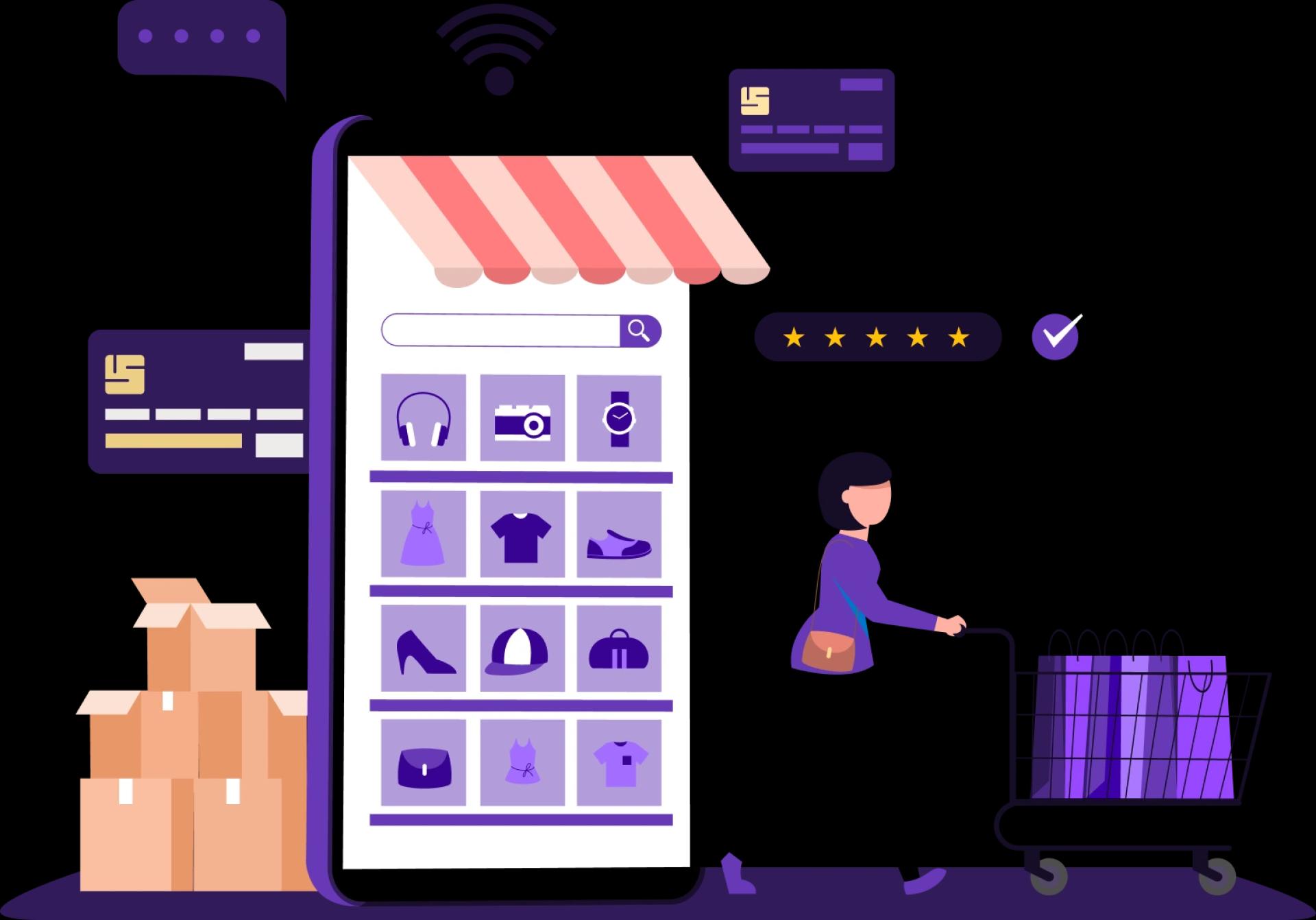
Self-service buying is one of the biggest trends. B2B buyers no longer want to wait for sales reps just to place repeat orders or check prices.
In 2026, B2B buyers expect:
- A login to place orders anytime
- Clear pricing made just for their business
- Easy reordering without going back and forth via email
- Access to invoices, payments, and order history
Customized Pricing and Product Listings
In a B2B ecommerce business, personalization has become a defining factor. Buyers expect experiences customized to their business size, order volume, and purchasing history.
In 2026, customers are looking forward to:
- Customer-specific pricing and discounts
- Personalized product visibility
- Faster repeat ordering powered by data insights
Centralized Commerce Replaces Disconnected Systems
When B2B businesses move forward towards growth, scattered and unorganized tools create liability and not an asset.
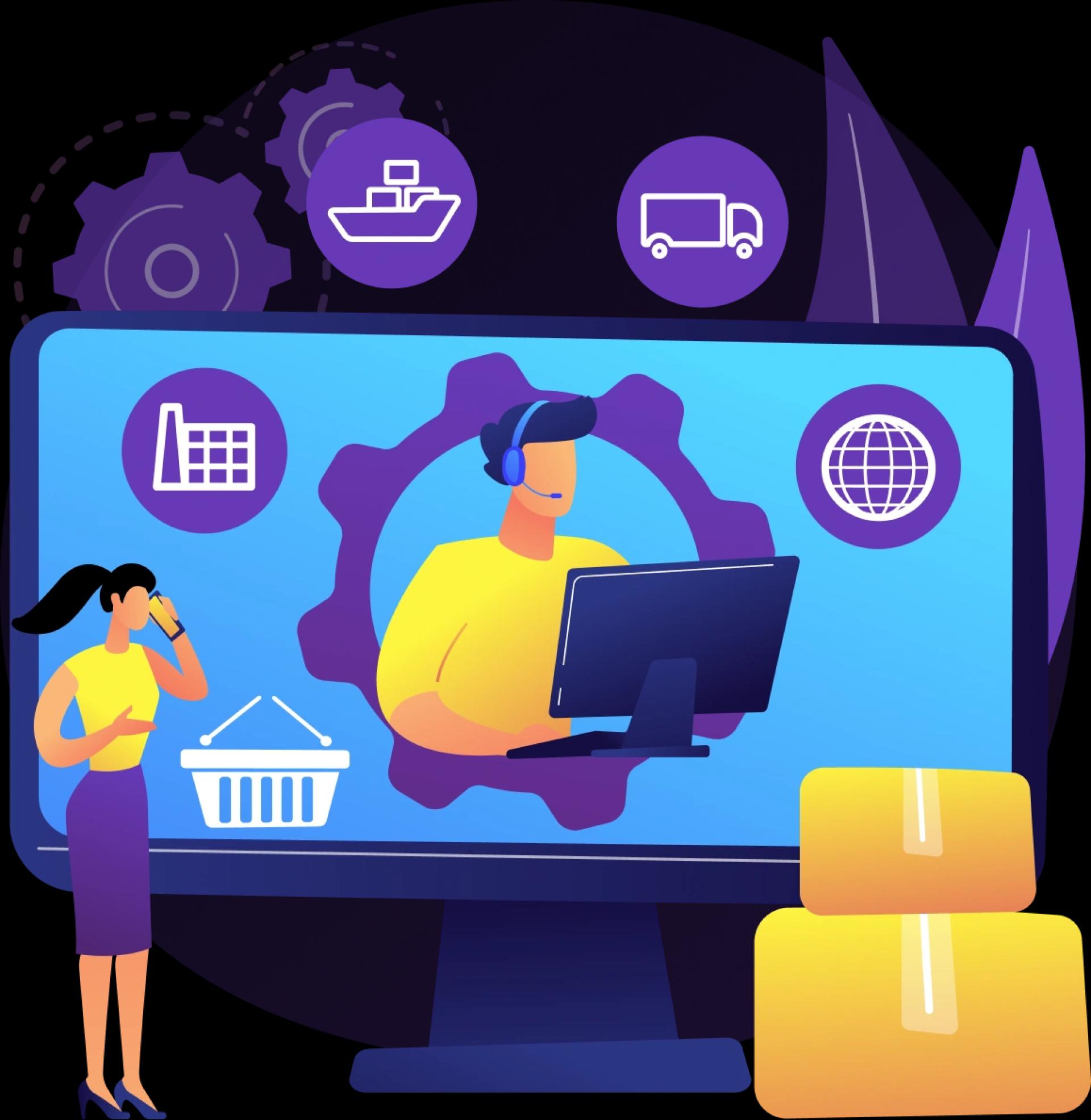
E-commerce businesses are now required to opt for centralized B2B e-commerce systems that unify e-commerce, ERP, inventory, and order management, seeing the increasing demand for a seamless customer experience.
A centralized platform helps businesses solve various operational challenges and helps them grow by providing:
- Faster decision-making
- Real-time data accuracy
- Reduced operational costs
- Lower manual reconciliation
Omnichannel and Marketplace-Ready B2B Commerce
In today’s era, buyers don’t shop from just one place. They go through prices online, place orders on mobile, or buy through marketplaces.
A major e-commerce trend is supporting all channels while keeping data unified and accurate across all channels. This ensures:
- Accurate stock availability
- Smooth experience on all devices
- Same pricing everywhere
Automation Backed by Data for Smarter Growth
Automation and analytics are redefining e-commerce businesses. Now, businesses are leaving basic automation and extreme manual dependency behind and are choosing automation that is predictable and makes decision-making easier through unified data.
Including:
- Inventory optimization
- Predictive reorder cycles
- Reduced stockouts and overstocking
- Smarter demand forecasting
Building a Future-Ready Strategy for B2B Ecommerce
Future e-commerce businesses are going to focus more on clarity, speed, and control than on adding more tools.
Successful business
- Replace manual processes with self-service experiences
- Use data as a growth lever, not just a reporting tool
- Unify systems instead of managing silos
- Personalize at scale without increasing complexity
Conclusion
In 2026, winning B2B ecommerce businesses will focus on self-service buying, personalized pricing, centralized systems, omnichannel selling, and data-driven automation.
Shodofy unifies all these B2B ecommerce trends in one powerful backend platform, helping businesses simplify operations, stay in control, and scale with confidence.


























Sign in to leave a comment.