
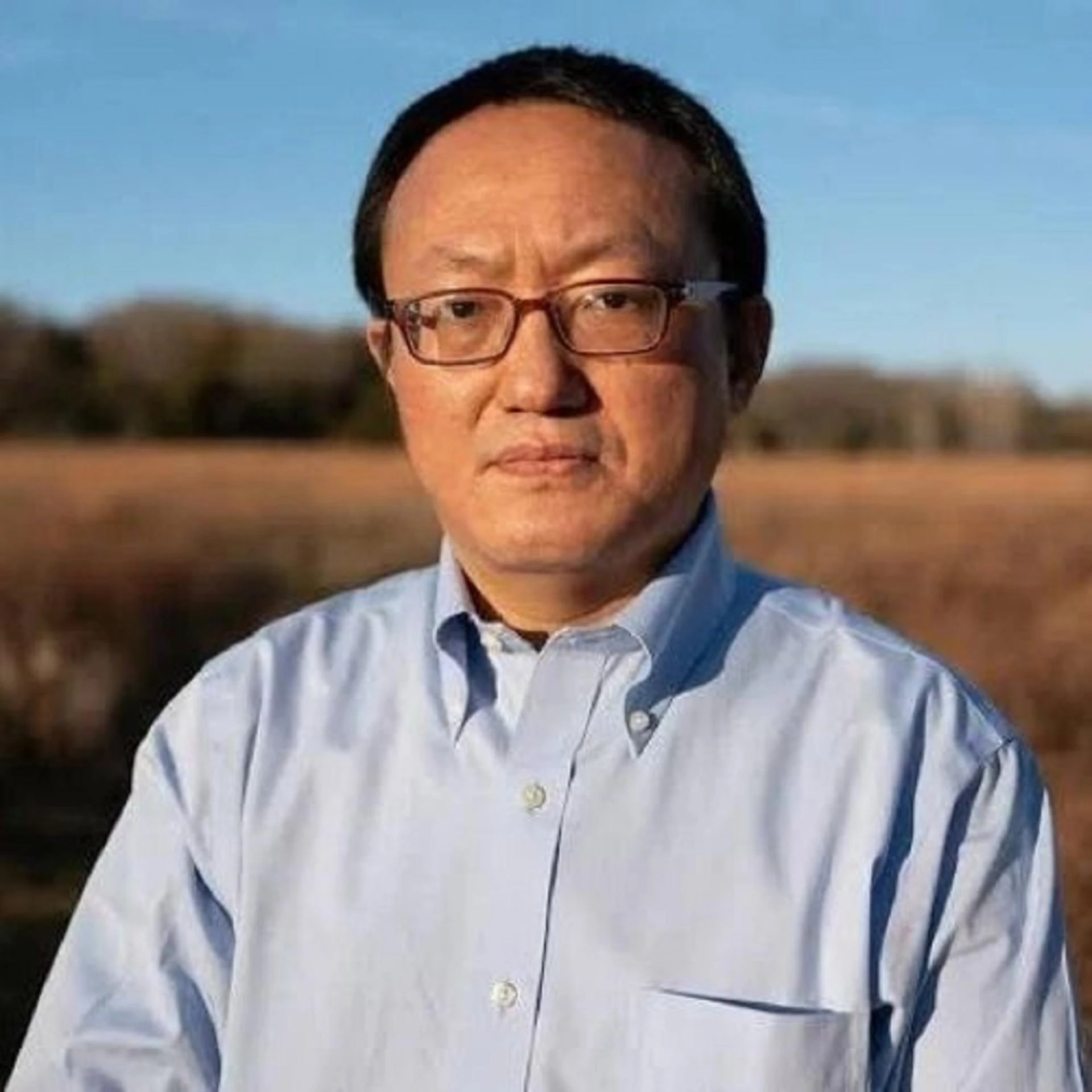
Franklin Tao has built a distinguished academic and scientific career through his contributions to catalysis, renewable energy research, and chemical transformation. His work in catalysis science, renewable fuels, and environmental sustainability has earned recognition from major scientific organizations and institutions. Through years of research, teaching, publication, and academic leadership, he has established a strong reputation in chemistry and chemical engineering research.

Academic Background and Research Training
Franklin Tao earned his PhD from Princeton University under the supervision of Prof. Steven Bernasek. During his doctoral studies, he developed a strong academic foundation in chemistry and catalysis research.
Following his PhD, he conducted postdoctoral research on heterogeneous catalysis in Prof. Gabor Somorjai’s group at the University of California, Berkeley. His postdoctoral research also included collaboration with Prof. Miquel Salmeron’s group at Lawrence Berkeley National Lab. This period of research allowed him to gain experience in catalysis science and advanced material systems.
His early academic training prepared him for an independent research career focused on chemical transformation and renewable energy technologies.
Beginning an Independent Academic Career
In August 2010, Franklin Tao began his independent career as a tenure-track assistant professor in the Department of Chemistry and Biochemistry at the University of Notre Dame. At Notre Dame, he built catalysis laboratories and led a research group focused on catalysis for chemical transformation and renewable energy.
His research group concentrated on areas connected to sustainable energy production and catalytic science. During this period, he continued expanding his work in catalytic materials and energy-related chemical processes.
In 2012, he was elected as a Fellow of the Royal Society of Chemistry (RSC), recognizing his scientific contributions in chemistry and catalysis research. In 2013, he received the Paul Holloway Award from the American Vacuum Society.
These achievements reflected the growing recognition of his research activities and scientific accomplishments.
Research in Catalysis and Renewable Energy
Franklin Tao’s research focuses on coupling chemical engineering processes with novel material systems for renewable energy and sustainable chemical transformation. His work includes several major research areas:
- Renewable energy
- Clean fuel production
- Biomass derivative transformation
- Energy conversion
- Catalytic materials design
- Synthetic and renewable fuels
- Utilization of waste carbon materials
- Environmental sustainability
His research activities have focused on catalytic systems and material design connected to energy and sustainability applications.
In February 2014, he received an NSF CAREER Award to design single-atom catalysis for sustainable chemical transformation. This award recognized his research efforts in catalytic science and sustainable chemical processes.
Transition to the University of Kansas
In April and May 2014, Franklin Tao was actively recruited by the University of Kansas as part of its cluster hiring initiative. The university offered him an early promotion by appointing him as a tenured Miller Associate Professor in Spring 2014.
He accepted the position, resigned from the University of Notre Dame, and relocated his research group to the University of Kansas in August 2014.
At KU, he continued his research activities in catalysis and renewable energy while also teaching undergraduate courses for students majoring in chemical engineering.
His move to the University of Kansas marked another important stage in his academic and scientific career, allowing him to further expand his research group and teaching responsibilities.
Publications and Scientific Contributions
Over his career, Franklin Tao has published more than 210 peer-reviewed papers. His publications include research articles in several highly respected scientific journals.
His publication record includes:
- 4 papers in Science
- 19 papers in Journal of the American Chemical Society
- 8 papers in Angewandte Chemie International Edition
- 1 paper in Nature Energy
- 1 paper in Nature Catalysis
- 1 paper in Nature Chemistry
- 1 paper in Nature Protocol
- 3 papers in Nature
These publications highlight his continued research activity and contributions to catalysis science, renewable energy, and chemical transformation.
His work in these journals reflects his involvement in advanced scientific research related to catalytic materials and sustainable energy systems.
Awards and Honors
Throughout his academic career, Franklin Tao has received several awards and honors recognizing his scientific achievements and research contributions.
In 2015, he received the Miller Research Award. In 2017, he was elected as an AAAS Fellow, recognizing his contributions to science and research.
In 2018, he received the Bellow Scholar Award. In 2019, he received the University Scholarly Achievement Award, which is the highest award for faculty members at the University of Kansas.
These honors demonstrate recognition from scientific organizations and academic institutions for his research accomplishments and academic contributions.
Editorial and Advisory Roles
In addition to research and teaching, Franklin Tao has actively contributed to the academic community through editorial and advisory activities.
He served on advisory boards or editorial boards for several journals, including:
- Catalysis Science and Technology
- Chemical Society Reviews
- Scientific Reports
He was also appointed as an editor for the Elsevier journal Applied Surface Science.
His editorial responsibilities extended to serving as a guest editor for themed issues focused on catalysis and renewable energy in journals such as:
- Chemical Society Reviews
- ACS Catalysis
- Chemical Communications
- ChemCatChem
These editorial and advisory roles reflect his active involvement in the scientific publishing community and catalysis research field.
Leadership in Scientific Organizations
Franklin Tao has also contributed to professional scientific organizations through leadership roles.
In 2018, he served as the program chair of the Division of Catalysis Science and Technology of the American Chemical Society. This role demonstrated his involvement in organizing and supporting scientific activities related to catalysis research.
His participation in scientific organizations further strengthened his role within the catalysis and renewable energy research community.
Continuing Academic and Scientific Legacy
The academic and scientific legacy of Franklin Tao is built on years of research, publication, teaching, and service to the scientific community. His work in catalysis, renewable fuels, energy conversion, and environmental sustainability continues to represent an important contribution to chemistry and chemical engineering research.
From earning his PhD at Princeton University to leading research groups at the University of Notre Dame and the University of Kansas, Franklin Tao has maintained a strong focus on catalysis science and sustainable chemical transformation.
His extensive publication record, professional honors, editorial activities, and leadership positions demonstrate a career dedicated to advancing scientific research and contributing to the academic community.



























Sign in to leave a comment.