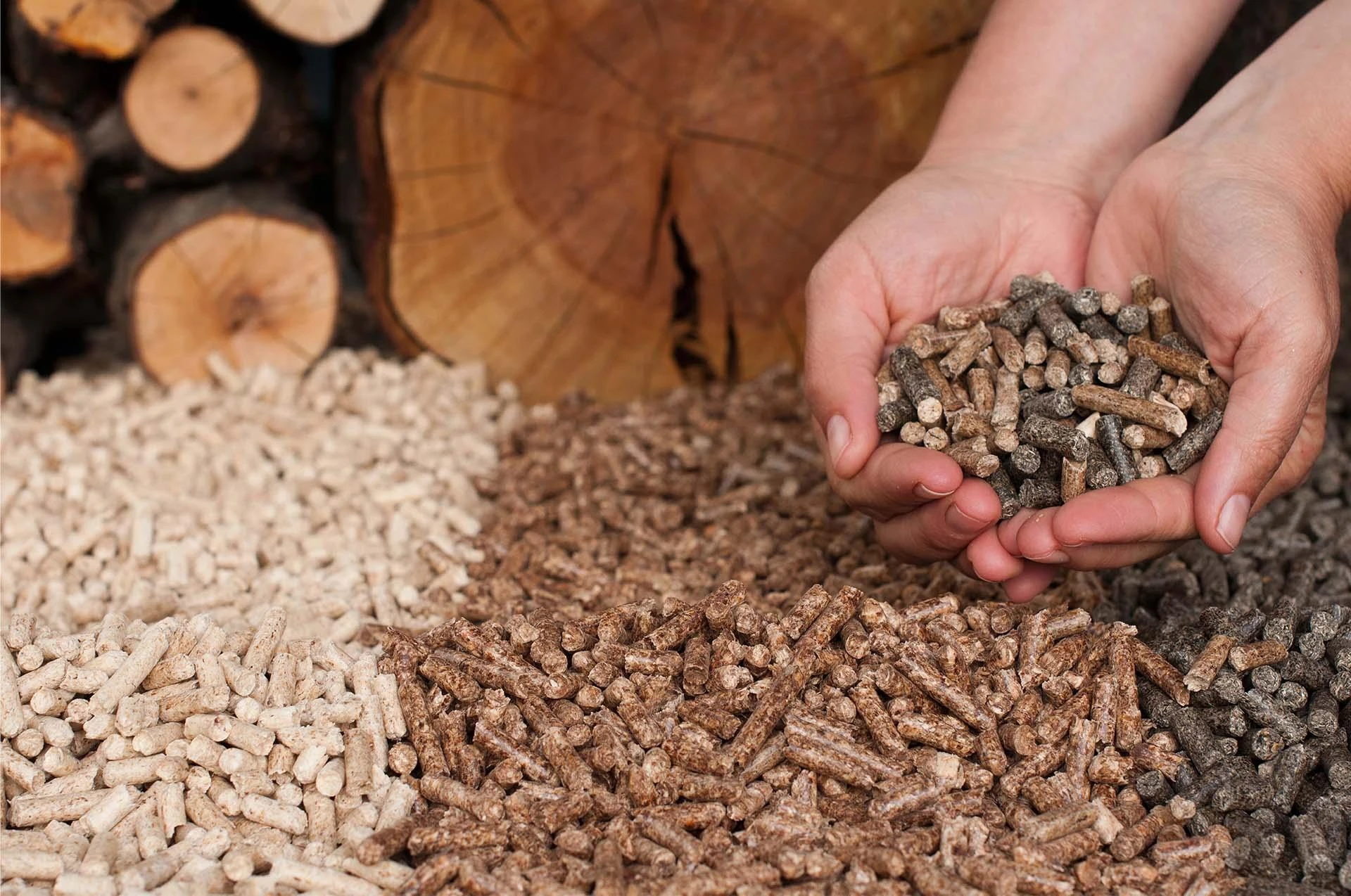

In recent years, there has been a notable shift towards utilizing sustainable and renewable energy sources as alternatives to fossil fuels. Among these alternatives, wood pellets have emerged as a promising option. Made from compressed sawdust and wood waste, wood pellets offer numerous advantages over traditional fuels, making them a favorable choice for those looking to reduce their environmental footprint.
Origins of Wood Pellets
Wood pellets are produced by grinding wood scraps into a fine powder, facilitating compression under high pressure and heat to form dense cylindrical pellets. These pellets are typically sourced from renewable materials such as logging by-products, sawdust, and other scrap wood, ensuring sustainability in their production. They vary in size, ranging from 10 to 40 mm in length and 6 to 8 mm in width.
Advantages of Wood Pellets
Environmental Safety
Wood pellets serve as a cleaner-burning alternative to fossil fuels, emitting fewer carbon dioxide emissions during combustion. According to estimates by the Biomass Energy Resource Center, switching to wood pellets can potentially reduce carbon dioxide emissions by up to 90%, contributing significantly to environmental preservation.
Cost-Effectiveness
Wood pellets offer a cost-effective fuel option, with more stable prices compared to volatile oil and gas markets. This stability in pricing makes them a financially attractive choice for consumers seeking to minimize energy costs.
You can also read: What is a biomass wood pellet?
Renewable Energy Source
Sustainably produced wood pellets contribute to the renewable energy sector, providing a continual supply of fuel derived from logging waste and other wood industry by-products. Unlike finite fossil fuel reserves, wood pellets offer a renewable and sustainable energy solution, supporting a transition towards greener energy practices.
Clean and Efficient Combustion
Wood pellets burn cleanly and efficiently, leaving minimal ash residue and reducing environmental impact. Their combustion process generates significantly lower emissions of sulfur dioxide, smoke dust, and nitrogen oxides compared to conventional fuels, meeting stringent environmental standards.
Carbon Neutrality
The carbon dioxide released from burning wood pellets is part of a natural carbon cycle, wherein plants absorb atmospheric carbon dioxide during growth and release it upon combustion. This cycle maintains carbon neutrality, as the carbon emitted from wood pellet combustion is balanced by the carbon absorbed during the growth of the source materials.
Conclusion
Biomass pellets offer a sustainable and environmentally friendly alternative to fossil fuels, with advantages including low emissions, cost-effectiveness, and clean combustion. By incorporating biomass pellets into energy consumption practices, individuals can contribute to mitigating environmental impact and fostering a greener future. For those in India seeking to utilize biomass pellets, it\'s essential to connect with a reliable biomass pellet supplier in India to ensure access to high-quality and sustainable fuel sources.








Sign in to leave a comment.