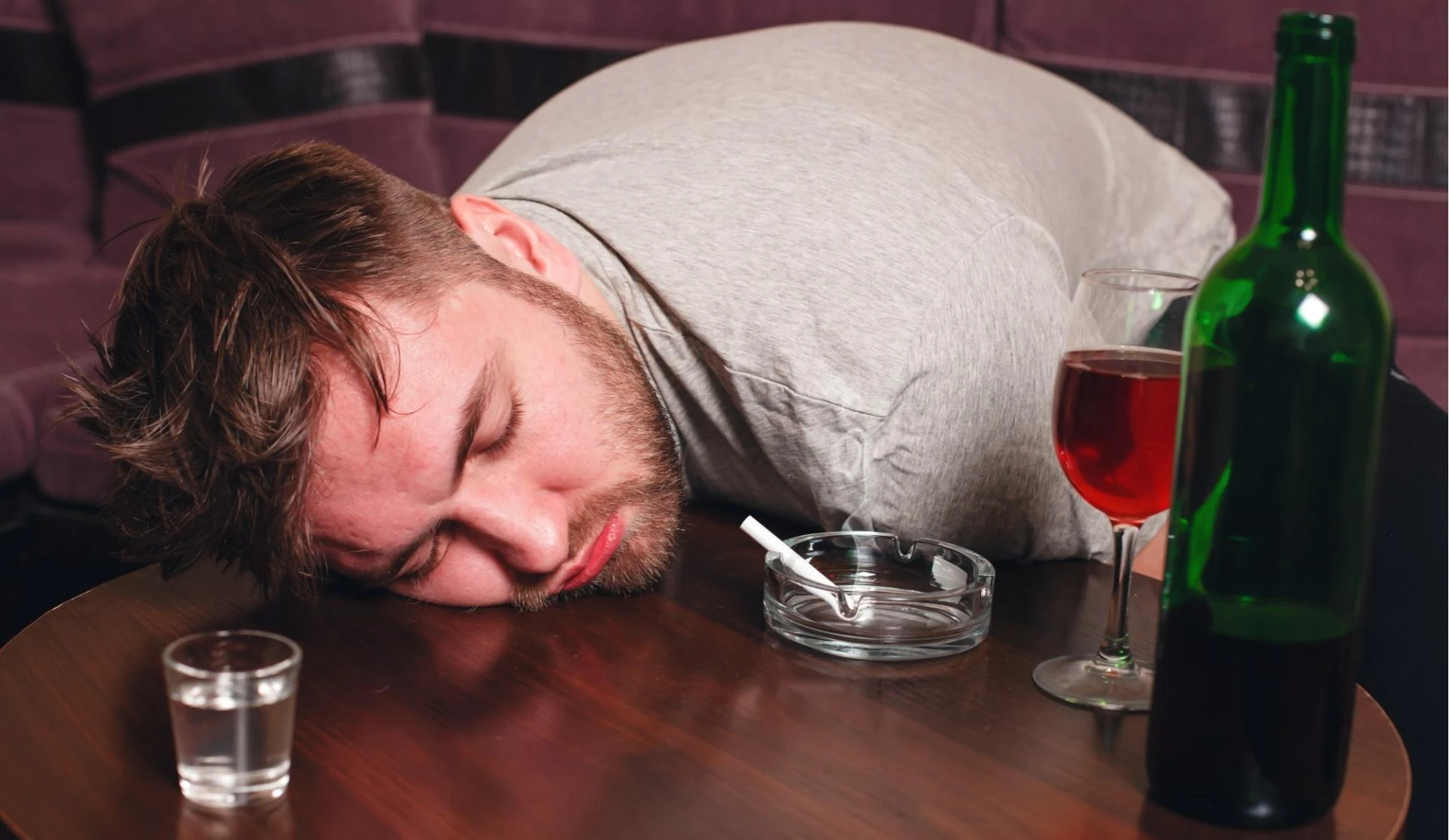

Alcohol detoxification is simply the physical process wherein your body goes through essentially ridding itself off of harmful toxins build up over time through long-term drinking of alcohol. This in turn can lead to serious liver problems and other medical conditions. Generally, detoxification is the first step towards any recovery program for alcohol addicts. Depending on the degree and the type of alcohol addiction, the detoxification process will differ. The program will be tailored to meet your specific needs and desires.
If you are an alcoholic, then there are certain treatment facilities like a rehabilitation center or a treatment center designed specifically for alcoholism. These facilities will prescribe medications that help reduce the withdrawal process associated with alcohol detoxification. They will also prescribe medications to treat various health concerns that may arise during the withdrawal process.
One of the most common symptoms that people experience after abstaining for a long period of time is cravings. These cravings are not uncommon especially for someone who has just gone through extended sobriety. Cravings are experienced primarily because the withdrawal process has made the individual feel physically and psychologically uncomfortable. As a result of this discomfort, the individual may crave certain substances such as food and drink.
[caption class="snax-figure" align="aligncenter" width="1140"][/caption]
A big concern with the continued use of alcohol is that a person's brain becomes dependent on it. Brain cells begin to lose their function and they are no longer able to produce the neurotransmitters that give you a feeling of well-being. These neurotransmitters are released through the synapses in your brain. With continued use of alcohol, your brain loses its ability to produce the neurotransmitters, and consequently, your moods will begin to fluctuate. When this happens, you could experience mood swings, anxiety, and even depression. If you use dts to stop these symptoms of withdrawal, it could further impair your brain's ability to function normally.
Some of the symptoms that you will experience during alcohol detox include tremors, dry mouth, restlessness, nausea, and increased heart rate. It is very important to obtain proper supervision when attempting to quit due to the severe withdrawal symptoms that can be dangerous. The lack of supervision is what increases the risk of experiencing one of these symptoms, which can worsen as your condition worsens.
If you attempt to go through the detox process without the proper supervision, you run the risk of experiencing one or more of the symptoms of withdrawal symptoms. These symptoms can range from feeling anxious and depressed to experiencing extreme cravings for alcohol use and experiencing an intense urge to use even if there are no cravings present. It is also possible to experience insomnia, confusion, and panic attacks when you do not have proper amounts of sleep.
If you have delirium tremens, it is highly recommended that you consult with a medical professional for treatment options. In most cases, medical detoxification is only necessary if the patient is experiencing seizures due to excessive drinking. Although seizures are rare, there are some patients that may have seizures if they are using intoxicants like benzodiazepines while under the influence of alcohol. If you are considering any form of drinking alcohol, it is important to avoid combining it with other drugs such as tranquilizers and narcotics.
As with any type of drug addiction, there is a strong correlation between heavy drinking and abuse of prescription medications. Many people do not realize that they are putting themselves at risk by combining prescription medications with their habit of drinking. When you use one-on-one care to treat your substance abuse, you can reduce the addictive properties of the substance that are associated with the psychological component of the problem. In many instances, it is possible to completely replace one-time-use medications with over-the-counter or medical alternatives, allowing the patient to go through the detox process in an environment that does not require their presence. In the long run, this can prove to be far safer and more effective than any form of substance abuse treatment in a traditional clinical setting.






Sign in to leave a comment.