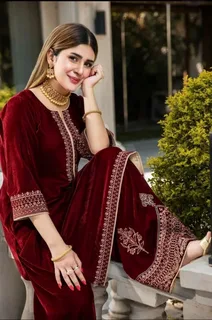

Velvet, with its luxurious texture and shimmering appearance, has been a symbol of opulence and sophistication for centuries. Known for its soft touch and elegant drape, velvet fabric has transcended time and trends to remain a beloved choice for clothing across the globe. From royal garments to contemporary fashion, velvet holds an unparalleled charm that speaks to its timeless appeal.
This article delves into the world of velvet fabric clothes, exploring their history, types, and the reasons behind their enduring popularity. Additionally, we'll discuss how velvet is incorporated into modern fashion and the care it requires to maintain its rich texture and vibrant colors.
The History of Velvet Fabric
Velvet has a fascinating history that dates back to ancient times. Its origins are often traced to the Middle East, with early examples appearing in Egypt, China, and Mesopotamia. By the 14th century, velvet production had flourished in Italy, particularly in cities like Florence and Venice. The fabric was synonymous with wealth and status, worn by royals and aristocrats who appreciated its unparalleled elegance.
Historically, velvet was made from silk, making it an extremely expensive fabric. Over time, with advancements in textile production, it became more accessible as cotton, rayon, and synthetic blends began to be used. Despite this evolution, velvet retained its luxurious appeal, adapting to the tastes and needs of different generations.
Characteristics of Velvet Fabric
The unique appeal of velvet lies in its distinctive qualities:
1. Texture and Appearance
Velvet is known for its smooth and soft pile, created by densely woven fibers. The fabric has a shimmering effect that changes with the angle of light, giving it a dynamic and opulent look.
2. Versatility
Although traditionally associated with formal and evening wear, velvet is surprisingly versatile. It can be used for casual garments, home décor, and accessories, showcasing its adaptability across different styles and occasions.
3. Durability
While velvet might appear delicate, it is quite durable when made from high-quality fibers. Modern production techniques enhance its strength, making it suitable for everyday use.
4. Comfort
Velvet's plush texture makes it incredibly comfortable to wear, especially during cooler seasons when its insulating properties come in handy.
Types of Velvet Fabric
Velvet is available in various types, each offering unique properties and uses:
1. Silk Velvet
The pinnacle of luxury, silk velvet is incredibly soft, lightweight, and lustrous. It is often used for high-end evening gowns, bridal wear, and elegant shawls.
2. Cotton Velvet
This type has a matte finish compared to silk velvet but is more durable and breathable. Cotton velvet is ideal for casual wear and upholstery.
3. Crushed Velvet
Crushed velvet has a textured appearance created by twisting the fabric while wet. It has a slightly shiny, uneven finish, making it popular in modern fashion.
4. Stretch Velvet
Blended with spandex or elastane, stretch velvet is more flexible and comfortable. It is often used for form-fitting garments like leggings, dresses, and activewear.
5. Velvet Burnout
This type features a semi-transparent pattern, created by chemically "burning" parts of the fabric. Velvet burnout is used in trendy tops, scarves, and evening dresses.
6. Synthetic Velvet
Made from polyester or other synthetic fibers, this type is budget-friendly and easy to maintain. It is commonly used for costumes, casual clothes, and accessories.
Velvet in Modern Fashion
1. Velvet Dresses
Velvet dresses are a staple in evening and party wear. Whether it’s a floor-length gown or a short cocktail dress, the fabric’s natural sheen and drape make it a stunning choice. Popular designs include wrap dresses, A-line silhouettes, and slip dresses, often embellished with sequins or embroidery.
2. Velvet Jackets and Blazers
A velvet blazer adds a touch of sophistication to both men’s and women’s wardrobes. Paired with tailored pants or jeans, it can transition seamlessly from day to night.
3. Velvet Tops and Blouses
Velvet tops, often featuring details like puffed sleeves or ruffles, are a trendy option for casual outings or semi-formal events. They pair well with skirts, trousers, and denim.
4. Velvet Pants and Skirts
Velvet trousers, often in jewel tones, exude a chic vibe. Similarly, velvet skirts, ranging from pencil to pleated styles, are versatile and stylish.
5. Velvet Accessories
Velvet is not limited to clothing; it also makes for stunning accessories like scarves, headbands, and handbags. Velvet shoes, particularly in boots and pumps, add a luxurious touch to any outfit.
Seasonal Appeal of Velvet
Velvet is especially popular in fall and winter collections due to its warm and plush feel. Designers often use it in deep, rich colors like burgundy, emerald green, navy blue, and black, which resonate with the festive and cozy atmosphere of these seasons.
During the holiday season, velvet becomes a go-to choice for party outfits and festive gatherings. Its ability to elevate even the simplest design ensures its place in winter wardrobes.
Velvet in Cultural and Traditional Attire
Velvet has a significant presence in traditional attire across various cultures.
- Pakistani and Indian Fashion: Velvet is often used in bridal wear, lehengas, and sherwanis, adorned with intricate embroidery, zardozi work, and embellishments.
- Middle Eastern Garments: Abayas and kaftans frequently feature velvet for a regal touch.
- Western Traditions: Velvet capes, cloaks, and gowns have historical roots in European fashion, symbolizing nobility.
Caring for Velvet Clothes
Velvet requires proper care to maintain its texture and appearance. Here are some tips:
1. Cleaning
- Always check the care label.
- For delicate velvet (like silk velvet), dry cleaning is recommended.
- Machine-washable velvet should be washed on a gentle cycle with mild detergent.
2. Stain Removal
Blot stains gently without rubbing. Use a clean cloth and avoid harsh chemicals.
3. Storage
- Store velvet clothes in a cool, dry place.
- Avoid hanging heavy velvet garments, as they may lose their shape. Folding them with tissue paper helps prevent creases.
4. Ironing
Avoid direct ironing on velvet. Instead, use a steamer or iron on the reverse side with a low setting.
Sustainability and Velvet
With growing awareness of sustainable fashion, eco-friendly velvet options have emerged. Organic cotton and recycled polyester are used to create velvet with a reduced environmental impact. Additionally, vintage velvet garments have gained popularity, promoting reuse and sustainable consumption.
The Enduring Popularity of Velvet
Velvet’s timeless appeal lies in its ability to adapt to changing fashion trends while retaining its luxurious essence. Whether in the form of a regal gown or a casual accessory, velvet continues to captivate fashion enthusiasts worldwide. Its versatility, elegance, and rich history ensure that it will remain a cherished fabric for generations to come.
In conclusion, velvet fabric clothes are more than just a fashion statement—they are a testament to the enduring allure of beauty and craftsmanship. Embracing velvet in your wardrobe means adding a touch of sophistication and warmth, making every outfit feel extraordinary.








Sign in to leave a comment.