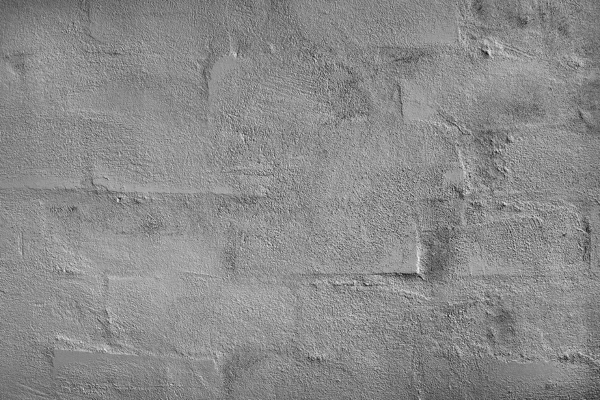

Texture plays a pivotal role in interior design, adding depth, visual interest, and character to a space. One emerging trend in the realm of texture is the use of microcement texture. It offers a versatile and customisable solution that has gained popularity in the world of interior design. This article explores the applications of it, highlighting its benefits and providing insights into how it can be utilised in different elements of interior design.
Benefits of Microcement Texture in Interior Design
It offers a range of benefits that make it a highly desirable choice in interior design projects. Here are the key advantages of incorporating it into interior spaces:
Versatility: One of the greatest advantages of it is its versatility. It can be applied to various interior surfaces, including floors, walls, countertops, and even furniture. This flexibility allows designers to seamlessly integrate it throughout a space, creating a cohesive and harmonious aesthetic.Seamless finish: It provides a seamless finish, eliminating visible joints or seams commonly found with other materials. This creates a visually appealing and uninterrupted surface, contributing to a clean and contemporary look in interior design. The absence of seams also enhances the perception of space, making rooms appear larger and more spacious.Customisability: It offers a wide range of customisation options, enabling designers to achieve their desired look and feel. It comes in various colours, allowing for personalised colour schemes that match the overall design concept. Additionally, different patterns and textures can be created, ranging from smooth and sleek to more textured and rustic finishes. This versatility allows for endless creative possibilities and the ability to tailor it to specific design preferences.Microcement Texture in Different Interior Design Elements
Microcement texture offers immense potential for enhancing various elements within interior design. Let's delve into how it can be applied to different design elements:
Floors:
It brings a distinct character to floors, creating a seamless and visually captivating surface. Its versatility allows for a range of design options, including minimalist, industrial, or contemporary styles. Whether applied to residential or commercial spaces, it adds a touch of sophistication and durability. From living rooms to kitchens, microcement floors offer a sleek and easy-to-maintain solution that can withstand daily wear and tear.
Walls:
Microcement texture on interior walls can transform them into captivating focal points. The textured finish adds depth and visual interest, making the walls stand out as unique design features. Whether applied to accent walls or entire rooms, it can create a sense of elegance and style. When combined with strategic lighting techniques and complementary colour schemes, it elevates the overall ambience of the space.
Countertops and Surfaces:
It is a versatile option for countertops and surfaces, providing a seamless and stylish alternative to traditional materials. From kitchen countertops to bathroom vanities, it delivers a sleek and contemporary look. It can be customised to fit different design preferences, with options for various colours and finishes. With its durability and resistance to stains and moisture, microcement texture surfaces are both aesthetically pleasing and practical.
Furniture and Decorative Elements:
It can be incorporated into furniture pieces and decorative elements, adding a cohesive touch to the overall design. Tables, chairs, shelves, and other furniture items can be enhanced with it, providing a unique and tactile experience. Customised decorative elements, such as wall panels, room dividers, or fireplace surrounds, can also be crafted with it, adding texture and character to the space. The combination of it with other materials, such as wood or metal, creates visually interesting and harmonious design elements.
Case Studies: Real-Life Examples of Microcement Texture in Interior Design
To provide a better understanding of its practical application of it in interior design, let's explore real-life case studies that showcase its versatility and transformative power in different spaces:
Residential Spaces:
Contemporary microcement texture in living rooms: In a modern living room, it can be applied to the floor, creating a sleek and seamless surface that complements the clean lines and minimalist aesthetic. Combined with minimalist furniture and a monochromatic colour scheme, it adds a touch of sophistication and visual interest.Microcement texture in bedrooms for a cosy and textured backdrop: By applying it to accent walls in a bedroom, designers can create a cosy and textured backdrop. The textured surface adds warmth and depth, while the monochromatic or complementary colour scheme enhances the overall ambience. When paired with soft lighting and plush furnishings, it creates a tranquil and inviting space.Creative applications in smaller spaces like apartments or lofts: It is an excellent choice for smaller spaces, such as apartments or lofts, where maximising space is crucial. By applying it to both floors and walls, designers can create a seamless and continuous look, giving the illusion of a larger space. Lighter colour tones and strategically placed mirrors can further enhance the sense of openness and brightness.Considerations and Practical Tips for Using Microcement Texture
When incorporating it into interior design projects, several considerations and practical tips should be kept in mind. These guidelines ensure successful installation and maintenance of its surfaces. Here are some key points to consider:
Surface preparation and installation process:
Proper substrate preparation: Before applying it, ensure that the substrate is clean, dry, and structurally sound. Any existing coatings, adhesives, or contaminants should be removed to ensure a smooth and strong bond.Professional installation: Its application requires skill and expertise. It is recommended to work with experienced contractors who are knowledgeable about the specific techniques and processes involved in applying them. Their expertise will ensure a high-quality and long-lasting finish.Maintenance and cleaning guidelines:
Sealing: After it has been installed, it is crucial to apply a suitable sealer to protect the surface from stains, moisture, and daily wear. Regular reapplication of the sealer may be necessary to maintain its effectiveness.Cleaning products: Use gentle, pH-neutral cleaning products specifically designed for microcement surfaces. Avoid harsh chemicals or abrasive cleaners that could damage or dull the finish. Regularly sweep or vacuum the surface to remove loose dirt and debris.Conclusion
It offers a plethora of possibilities for transforming interior spaces. Its versatility, seamless finish, customisability, space-saving attributes, and durability make it an attractive option for designers and homeowners alike. Whether applied to floors, walls, countertops, or furniture, it adds a unique and modern touch to any space. By exploring real-life case studies and providing practical considerations, this article has shed light on the various applications of microcement texture in interior design. By embracing this innovative material, designers can unlock endless possibilities for creating visually stunning and captivating environments.
























Sign in to leave a comment.