

Interior design is all about creating a space that is functional, comfortable, and aesthetically pleasing. While color schemes, furniture, and lighting play an important role in achieving this, one aspect that is often overlooked is the use of patterns and textures. These elements can add depth, interest, and personality to a room, but it takes a skilled hand to mix them in a way that looks cohesive rather than chaotic. It is best to take help of interior designers in Delhi for your interior design project to get everything right and create a space of your choice.
So, let us explore the art of mixing patterns and textures in interior design.
Understanding Patterns and Textures
First, let's define what we mean by patterns and textures. Patterns refer to the repeated use of a motif, such as stripes, polka dots, or floral designs. Textures, on the other hand, refer to the tactile quality of a material, such as the roughness of a burlap pillow or the softness of a cashmere throw. Both patterns and textures can add visual interest and depth to a space, but they need to be mixed in a thoughtful way.
Starting with a Neutral Base
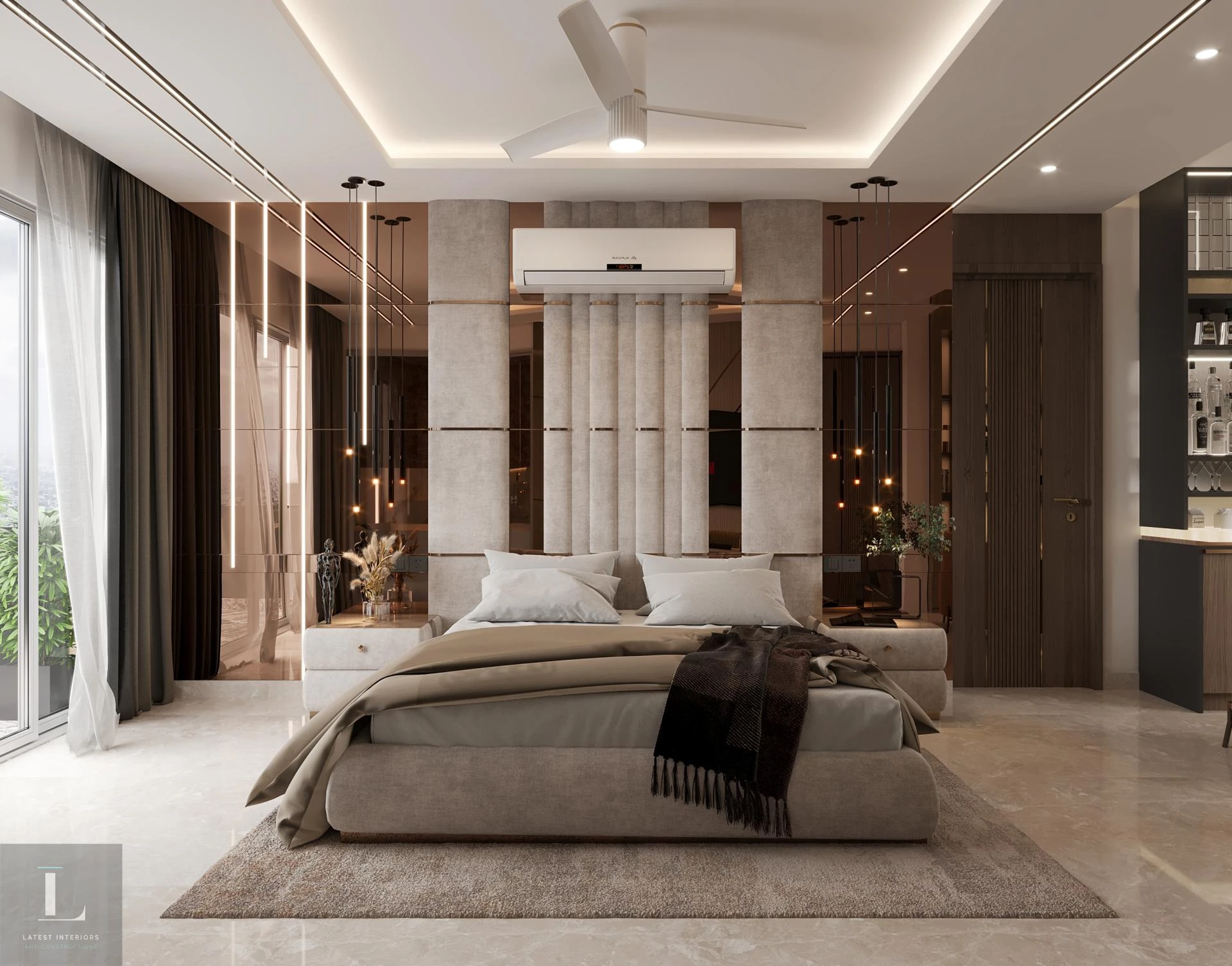
One approach to mixing patterns and textures is to start with a neutral base and then layer on different elements. For example, you might start with a white or beige sofa and then add a patterned rug, a textured throw pillow, and a printed curtain. By sticking to a neutral color palette, you can experiment with different patterns and textures without overwhelming the space. This approach works particularly well in minimalist or Scandinavian-inspired interiors, where the focus is on simplicity and clean lines.
Using a Color Scheme as the Foundation
Another approach is to use a color scheme as the foundation for your patterns and textures. For example, you might choose a palette of blues and greens and then mix different patterns and textures within that color family. This creates a cohesive look that ties the room together while still allowing for variety and interest. When using this approach, it's important to vary the scale of the patterns you use. For example, if you have a large-scale floral wallpaper, pair it with a smaller-scale geometric print pillow. This creates contrast and balance in the space.
Varying the Types of Patterns and Textures
One of the most important things to keep in mind when mixing patterns and textures is to vary the types of patterns and textures you use. If you have too many patterns that are all the same scale or style, the space can feel overwhelming and chaotic. Instead, mix different types of patterns and textures. For example, you might mix a floral print with a geometric print, a striped rug with a shaggy throw pillow, and a smooth leather sofa with a woven jute rug. By varying the types of patterns and textures you use, you create a sense of depth and interest in the space.
Experimenting and Having Fun
Finally, don't be afraid to experiment and have fun with mixing patterns and textures. While there are some basic principles to follow, ultimately the goal is to create a space that reflects your personality and style. If you love bold prints and bright colors, go for it! If you prefer a more subdued palette, that's fine too. The key is to experiment and find what works for you.
Conclusion
Mixing patterns and textures is an art form that can elevate a room from ordinary to extraordinary. By starting with a neutral base, using a color scheme as a foundation, varying the types of patterns and textures, and experimenting with different combinations, you can create a space that is both visually interesting and cohesive. Whether decorating a cozy bedroom or a spacious living room, the art of mixing patterns and textures is a valuable tool in your interior design toolbox. So, if you are looking for a professional team of interior decorators in Delhi, contact Latest Interiors today and get the best services at an affordable rate.










Sign in to leave a comment.