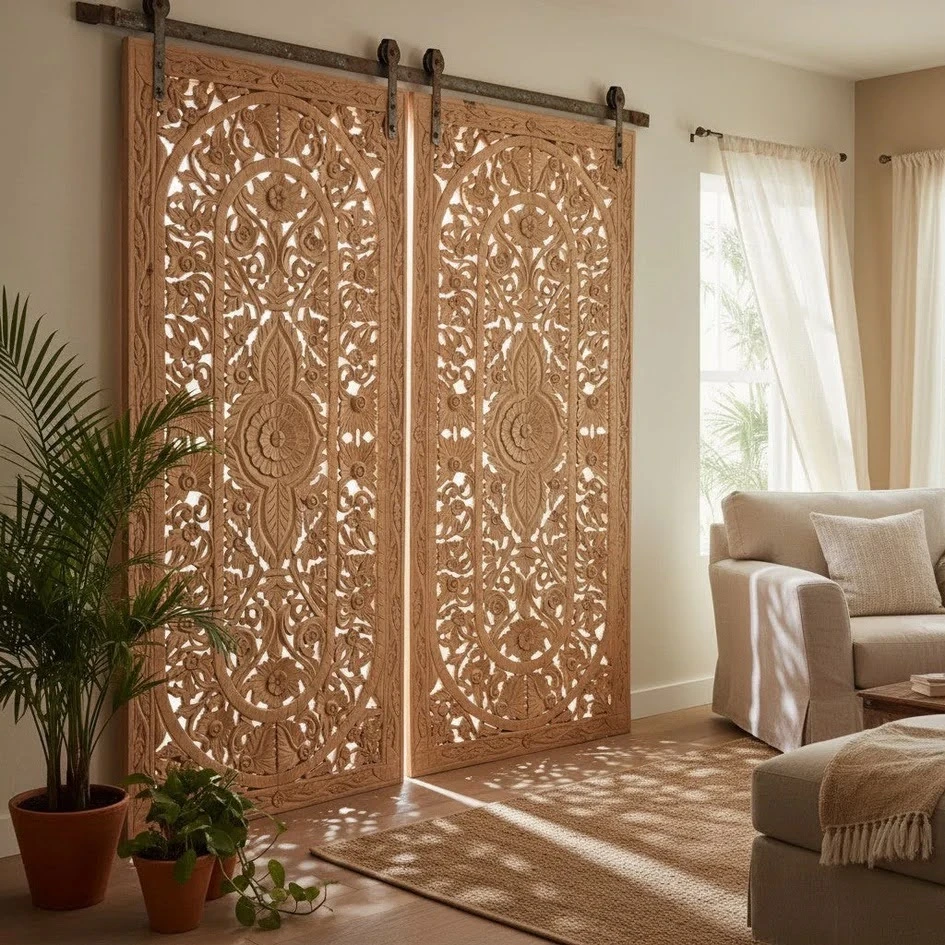
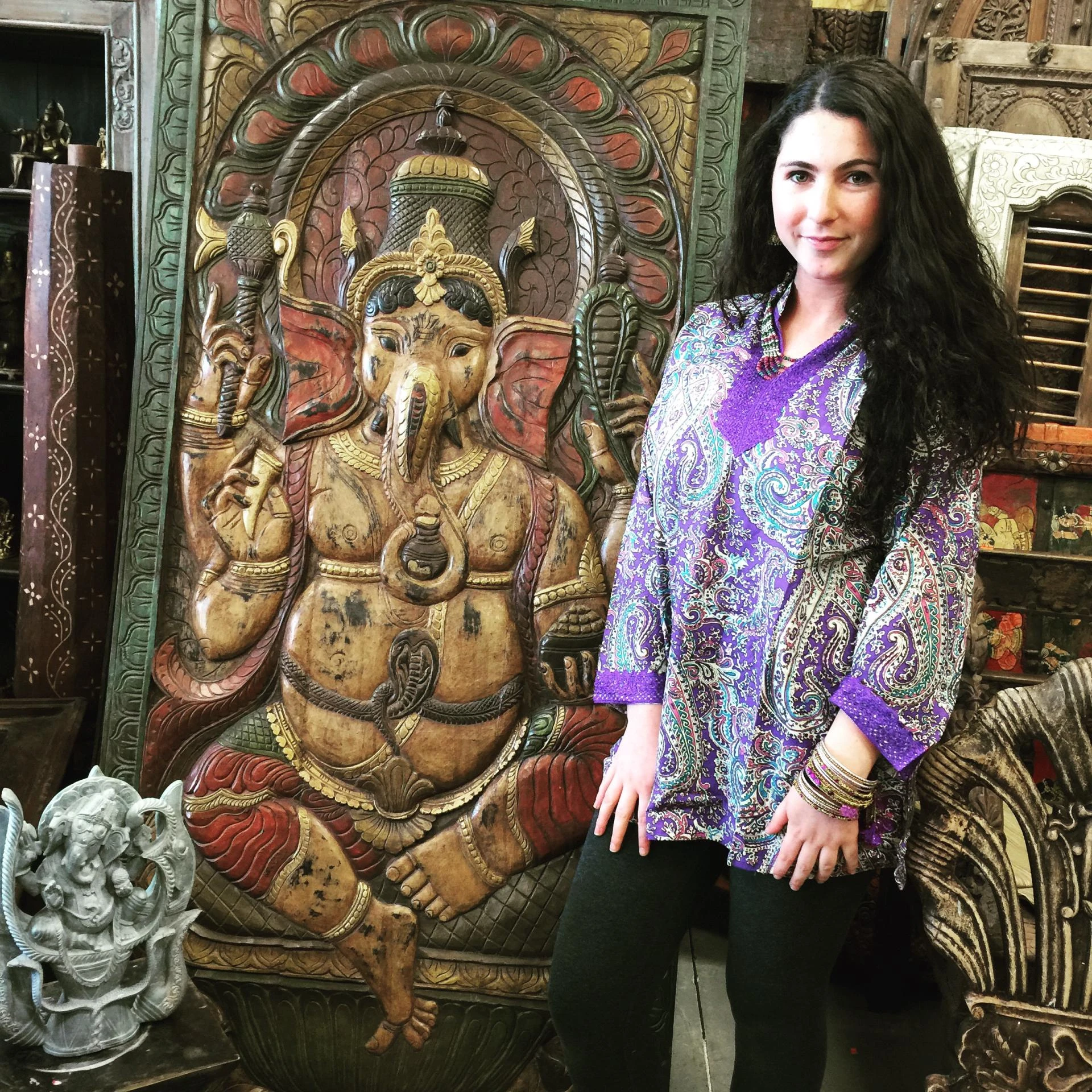
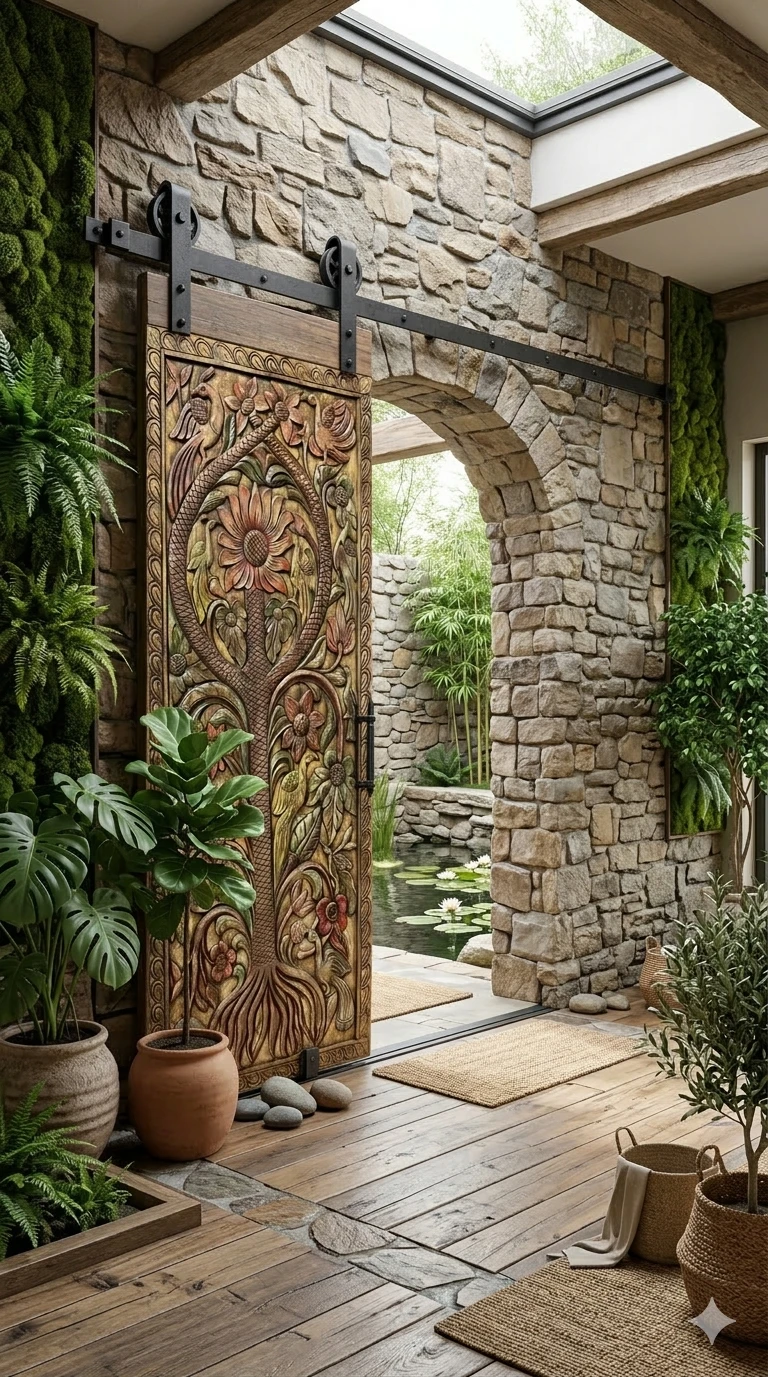
When a piece speaks as boldly as Mogul Interior's Tree of Life carved wall art, the instinct might be to quiet everything around it. Resist that urge. Instead, let it anchor a room where pattern collides with pattern in glorious, deliberate abundance.

The Tree of Life—with its intricate branches, symbolic depth, and hand-carved texture—demands a space equally alive. This isn't about matching; it's about layering stories. Start with your largest surfaces: imagine a Suzani-print sofa, its circular motifs echoing the organic curves of the carving. Add velvet armchairs in a small-scale geometric—perhaps a Greek key or diamond lattice—that contrasts the flowing nature of the tree without competing for attention.

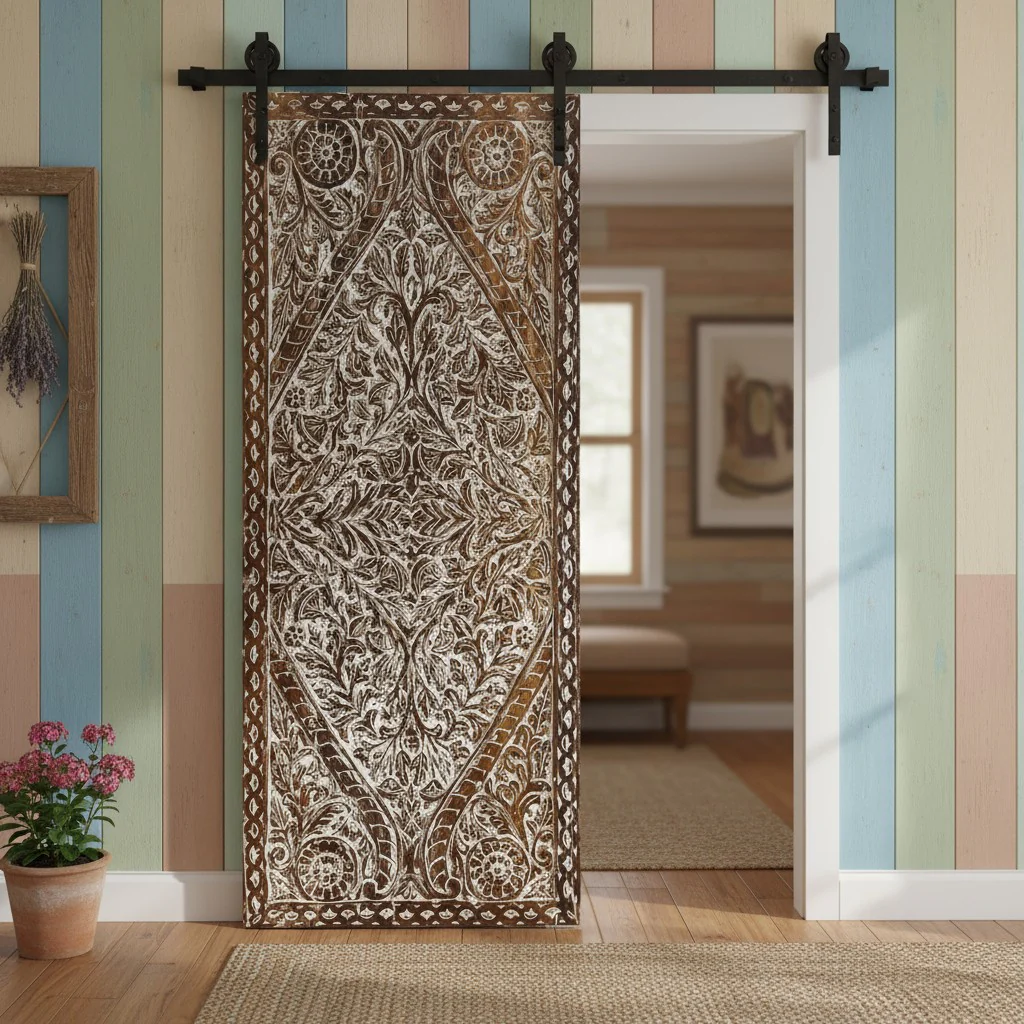
Here's where courage enters: pattern drenching. Consider bathing one wall (perhaps behind the carving itself) in a bold wallpaper—a William Morris vine print or a stylized paisley that amplifies rather than distracts. This creates a saturated backdrop that makes the carved wood pop dimensionally while establishing pattern as the room's language, not its accent.

Now ground this visual feast with antique brass-cladded coffee tables—their hammered surfaces catching light like liquid gold, etched with their own intricate patterns of florals or arabesques. These metallic anchors provide crucial breathing room amid the textile abundance, their warm patina bridging the carved wood's earthiness with the room's fabric exuberance. The brass itself becomes pattern: reflective, textured, alive with the marks of artisan hands.

On the floor, a vintage rug in jewel tones—ruby reds, sapphire blues—grounds the space with its own complex motifs. Toss cushions become your experimental palette: ikat stripes next to block-printed florals next to embroidered medallions. The secret to harmony? Repeat your colors across different patterns, and vary the scale—large botanical prints with tight geometrics, busy textiles with breathing room between them.
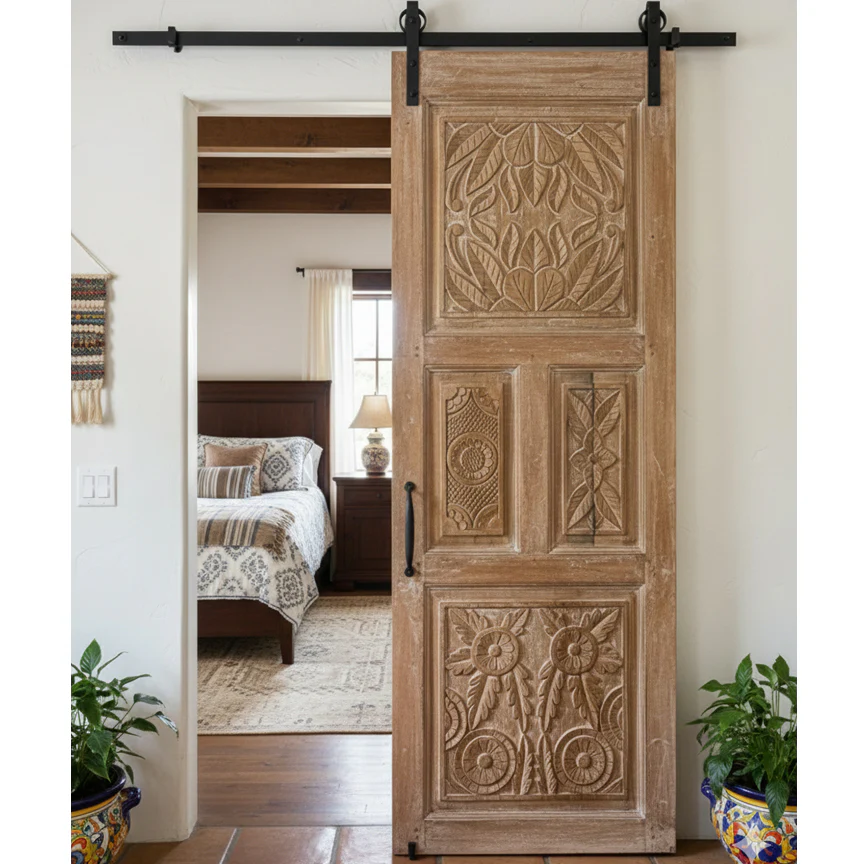
What makes this approach work is authenticity. Each piece should feel discovered, not designed—a textile from travel, an inherited throw, a The Tree of Life carving, with its holistic symbolism and artisan craftsmanship, gives permission for everything else to be equally personal, equally bold. The result isn't chaos; it's a collected life, richly patterned and deeply warm

























Sign in to leave a comment.