

Every business owner dreams of seeing their website at the top of Google search results. But for most beginners, SEO (Search Engine Optimization) feels like a mysterious black box — full of algorithms, technical jargon, and constantly shifting rules. The good news? Ranking #1 on Google doesn't require a computer science degree. What it does require is a clear strategy, consistent effort, and often, the right SEO service partner by your side.
This beginner's blueprint breaks down exactly what you need to know to start climbing Google's rankings — step by step.
What Is SEO and Why Does It Matter?
SEO stands for Search Engine Optimization — the practice of improving your website so it appears higher in search engine results pages (SERPs) when people search for products or services related to your business.
Consider this: over 90% of online experiences begin with a search engine, and the first result on Google gets approximately 27% of all clicks. If your website isn't on page one, you're essentially invisible to most potential customers.
A professional SEO service helps bridge the gap between where your website currently ranks and where it needs to be to generate meaningful traffic and revenue.
Step 1: Start With Keyword Research
Keywords are the foundation of every successful SEO strategy. These are the words and phrases your target audience types into Google when searching for what you offer.
How to find the right keywords:
- Use tools like Google Keyword Planner, Ahrefs, or SEMrush
- Focus on long-tail keywords (e.g., "affordable SEO service for small business") — they have less competition and higher conversion intent
- Analyze what your competitors are ranking for
- Look for keywords with a balance of decent search volume and low-to-medium difficulty
Once you identify your target keywords, strategically place them in your page titles, headings, body content, meta descriptions, and URLs — naturally, never forcefully.
Step 2: Optimize Your On-Page SEO
On-page SEO refers to everything you control directly on your website. Here's what beginners need to prioritize:
- Title Tags & Meta Descriptions: Every page should have a unique title tag (under 60 characters) and a compelling meta description (under 160 characters) that includes your primary keyword.
- Header Structure (H1, H2, H3): Use headers to organize your content logically. Your H1 should contain your main keyword, and H2s/H3s should cover supporting subtopics.
- Content Quality: Google's algorithm prioritizes helpful, accurate, and in-depth content. Aim for blog posts and landing pages that genuinely answer your audience's questions. Thin or copied content will hurt your rankings.
- Internal Linking: Link to other relevant pages within your website. This helps Google crawl your site and keeps visitors engaged longer — a positive ranking signal.
- Image Optimization: Compress images for faster loading and always add descriptive alt text that includes relevant keywords where appropriate.
Step 3: Build a Technically Sound Website
Even the best content won't rank if your website has technical issues. Technical SEO ensures Google can properly crawl, index, and understand your site.
Key technical SEO factors:
- Page Speed: Google rewards fast-loading pages. Use tools like Google PageSpeed Insights to identify and fix issues.
- Mobile-Friendliness: With over 60% of searches happening on mobile, a responsive design is non-negotiable.
- Secure HTTPS Connection: Websites without SSL certificates are flagged as "Not Secure" and rank lower.
- XML Sitemap: Submit a sitemap to Google Search Console so search engines can find and index all your pages.
- Fix Broken Links: Dead links (404 errors) harm user experience and SEO performance.
A reputable SEO service provider will conduct a full technical audit of your site and prioritize fixes that deliver the most ranking impact.
Step 4: Earn High-Quality Backlinks
Backlinks — links from other websites pointing to yours — are one of Google's most powerful ranking signals. Think of them as votes of confidence. The more authoritative sites that link to you, the more Google trusts your website.
Beginner-friendly link building strategies:
- Guest Blogging: Write valuable articles for industry websites in exchange for a backlink
- Business Directories: List your business on trusted directories like Google Business Profile, Yelp, and industry-specific platforms
- Create Link-Worthy Content: Publish original data, infographics, or ultimate guides that people want to reference
- Broken Link Building: Find broken links on other websites and suggest your content as a replacement
Avoid black-hat tactics like buying links or participating in link farms — these can result in Google penalties that tank your rankings overnight.
Step 5: Leverage Local SEO (If You're a Local Business)
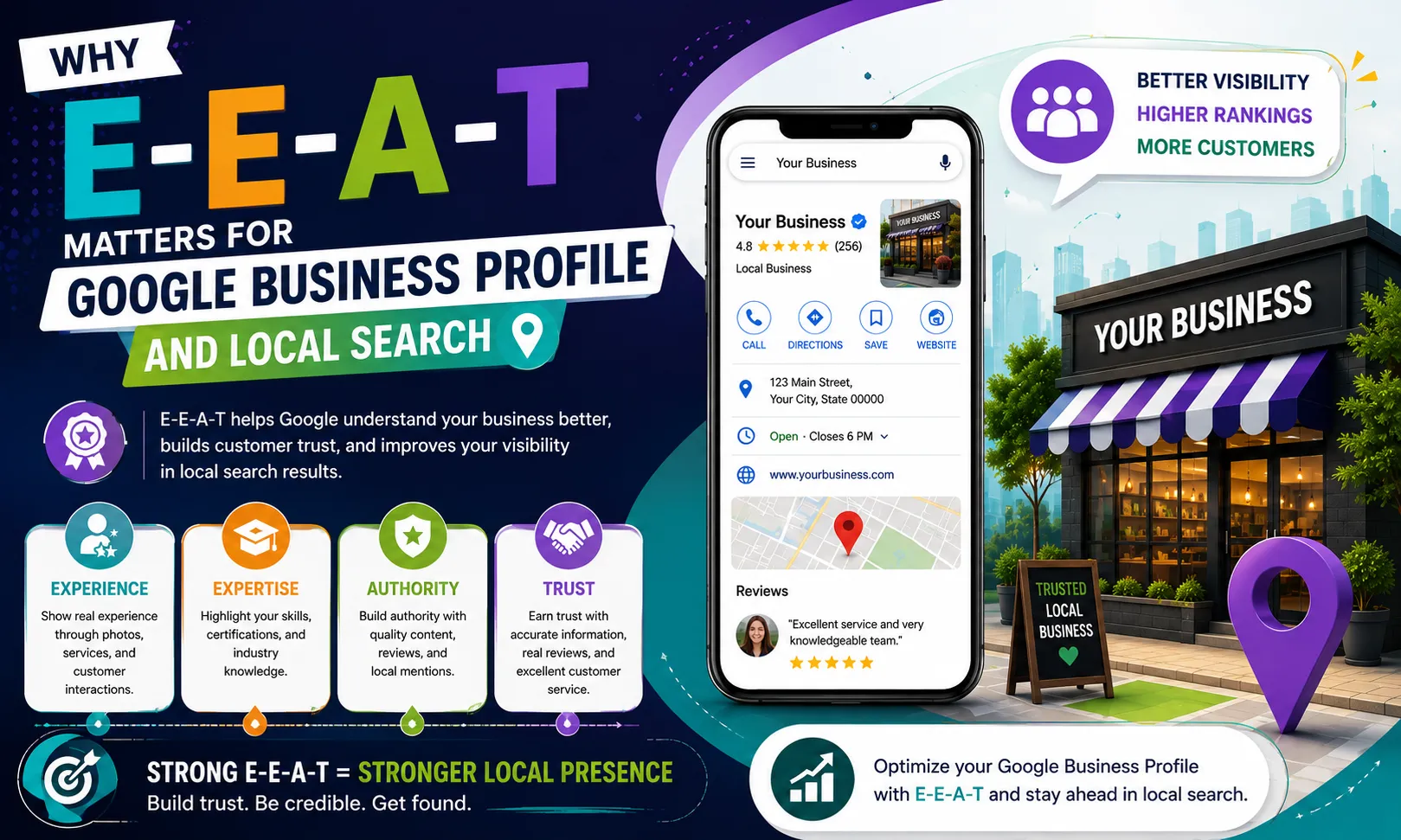
If your business serves a specific geographic area, local SEO is your fastest path to visibility. Optimize your Google Business Profile, collect customer reviews, and ensure your Name, Address, and Phone number (NAP) are consistent across all online directories.
Ranking for local searches like "SEO service near me" or "digital marketing agency in [city]" can drive highly targeted, ready-to-convert traffic directly to your business.
Step 6: Track, Measure, and Improve
SEO is not a "set it and forget it" strategy. Use these free tools to monitor your progress:
- Google Search Console — track impressions, clicks, and keyword rankings
- Google Analytics 4 — understand where your traffic comes from and how users behave
- Ahrefs / SEMrush — monitor backlinks and competitor rankings
Review your data monthly, identify what's working, and double down on winning strategies while fixing underperforming pages.
Why Work With a Professional SEO Service?
While this blueprint gives you a strong starting point, SEO is a long-term investment that requires expertise, time, and constant adaptation to algorithm updates. Partnering with a trusted SEO service provider like Innovate Marketers means you get:
- A customized SEO strategy built around your business goals
- Ongoing keyword research and competitor analysis
- Technical audits and continuous site improvements
- High-authority link building campaigns
- Transparent monthly reporting and real results
Final Thoughts
Ranking #1 on Google doesn't happen overnight — but with the right foundation, it's absolutely achievable. Start with solid keyword research, optimize your on-page elements, fix technical issues, build quality backlinks, and track your results consistently.
Whether you're tackling SEO yourself or ready to invest in a professional SEO service, the key is to start now. Every day you wait is another day your competitors are pulling ahead.
Ready to take your rankings seriously? Explore our expert SEO services at Innovate Marketers and let's build your path to page one — together.


























Sign in to leave a comment.