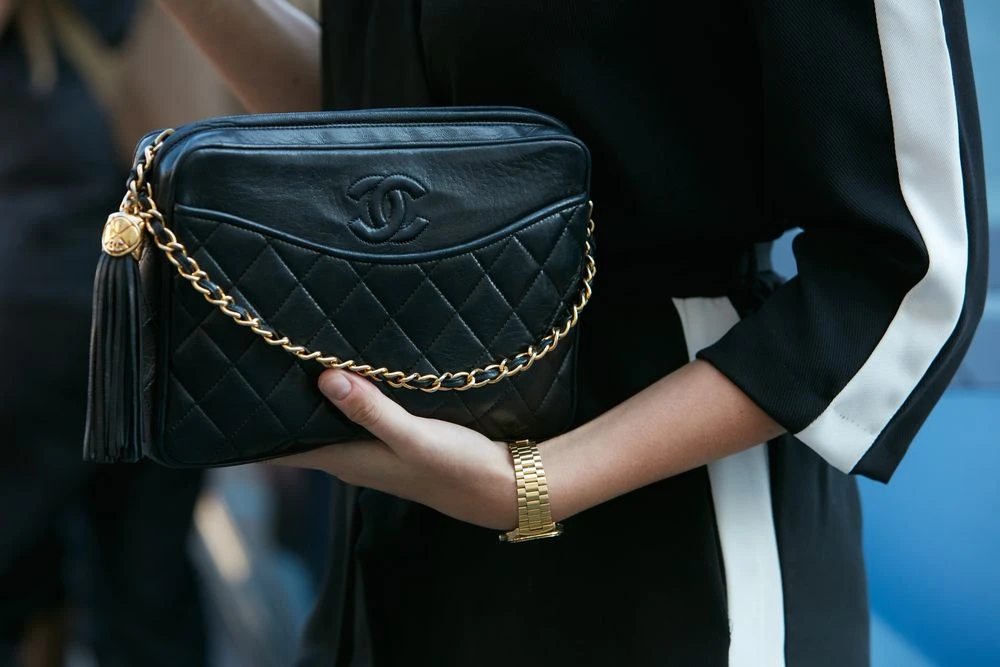

Vintage designer bags are an investment. Yes, you buy them for their timeless appeal and exceptional craftsmanship. You love how each bag carries history, whether it’s associated with a famous personality or tied to a cultural moment. But with the right vintage designer bag, you can also get a return on your investment — if you intend to resell it.
Even if you don’t intend to resell the vintage bag, a high resale value makes the fashion accessory even more valuable.
Discover What Boosts Resale Value
The most coveted designer bags also tend to rise in value over the years. Take for example, a vintage Chanel bag. The Chanel Classic Flap Bag has consistently increased in value, gaining an impressive 135% average value retention. Other than the brand’s legacy, what is raising the resale value of Chanel’s iconic bag?
Fashion insiders attribute the handbag’s limited production (which adds to the bag’s long-term desirability), iconic design and consistent price increases as drivers of its value.
Another designer vintage bag that rises in value is the highly coveted Hermès Birkin Bag. Considered as a ‘classic and never-fail vintage purchase’, the Birkin tops the list of handbags that have retained their value, acquiring a 250% retention rate. It is the gold standard in vintage luxury handbags, desired for its exquisite craftsmanship and exclusivity, which pushes high demand even further.
If you have an opportunity to purchase an authentic, even limited-edition Hermès Birkin Bag, take it. It’s going to be one of the best investments you can make.
Limited-edition pieces also determine the value of the handbag; scarcity impacts the resale price of a vintage bag even for independent designers. Because these bags are difficult to find, they tend to triple in price over the years.
Know The Essence of a Vintage Bag
How will you know the designer handbag isn’t just authentic but also vintage? How old would the bag have to be to be called ‘vintage’?
The age of a vintage bag varies; some fashion insiders consider bags made 10 years ago to be vintage whereas others say it must be 20 years old or older. Age, however, is not the only factor that determines whether you’re purchasing a vintage piece.
Designer provenance is essential. Designer handbags that have defined an era and influenced fashion are vintage.
For instance, Chanel’s chain shoulder strap bag introduced a more convenient way for women to carry bags in 1929, paving the way for the now iconic Flap Bag or 2.55.
Another example is Louis Vuitton’s Speedy, which debuted in 1930 under the name Express. The bag allowed travellers a more practical yet still luxurious way to travel, offering an option to Louis Vuitton’s roomier Steamer bags. The Speedy gained even more popularity when Audrey Hepburn requested a smaller version, the Speedy 25, which now retains its status as a ‘trophy bag’.
Beyond designer provenance, materials, craftsmanship and construction details all create the essence of a true vintage bag. Any piece must be made from high-quality materials (e.g., python, calfskin, silk, etc.,) and feature thoughtful details, precise stitching and symmetry.
When you consider those details, spotting a counterfeit designer bag should be easy, right?
Master the Art of Authenticity
A few years back, spotting authentic luxury goods was easy. You only needed to scrutinise the craftsmanship, from the details on the exterior to the stitching and lining of the interior. Of course, there’s also the documentation (e.g. purchase receipt, certificate of authenticity, etc.) to check the legitimacy of the luxury piece.
Unfortunately, counterfeiters have grown in sophistication, creating ‘superfakes’ or high-quality replicas. Manufacturers of fake luxury goods reportedly use technology to produce near-authentic looking designer bags. To the untrained eye, it may be difficult to distinguish what’s counterfeit and what’s authentic.
Learn how to spot the authentic with the following steps.
- Research the brand or designer, so you’re aware of what imperfections or anomalies to look for in the bag.
- Look for serial numbers or date codes in the inner lining because most high-end designers include them in their bags.
- Feel the quality of the leather. The material should not feel overly soft or overly stiff. It should be rich and should have a texture that indicates the bag has been well maintained.
- Check the hardware, stitching and hot stamps.
- Ask about the certificate of authenticity or any documentation to prove the vintage bag’s provenance.
Find a Trusted Source
Finally, evaluate the source. You find online sellers, but make sure they’re established as legitimate providers of vintage designer bags. Scrutinise the photos of the bag. Go over the product details. See if the online seller offers real-time support to address your queries about the vintage piece.
Check the seller’s reputation as well. Find reviews of past and current customers. And learn how the seller sources their vintage bags.
A vintage designer bag is a piece of fashion history worth curating. Choose well, and you’ll have a covetable, timeless bag to wear, collect, and perhaps even pass on to future generations.


































Sign in to leave a comment.