
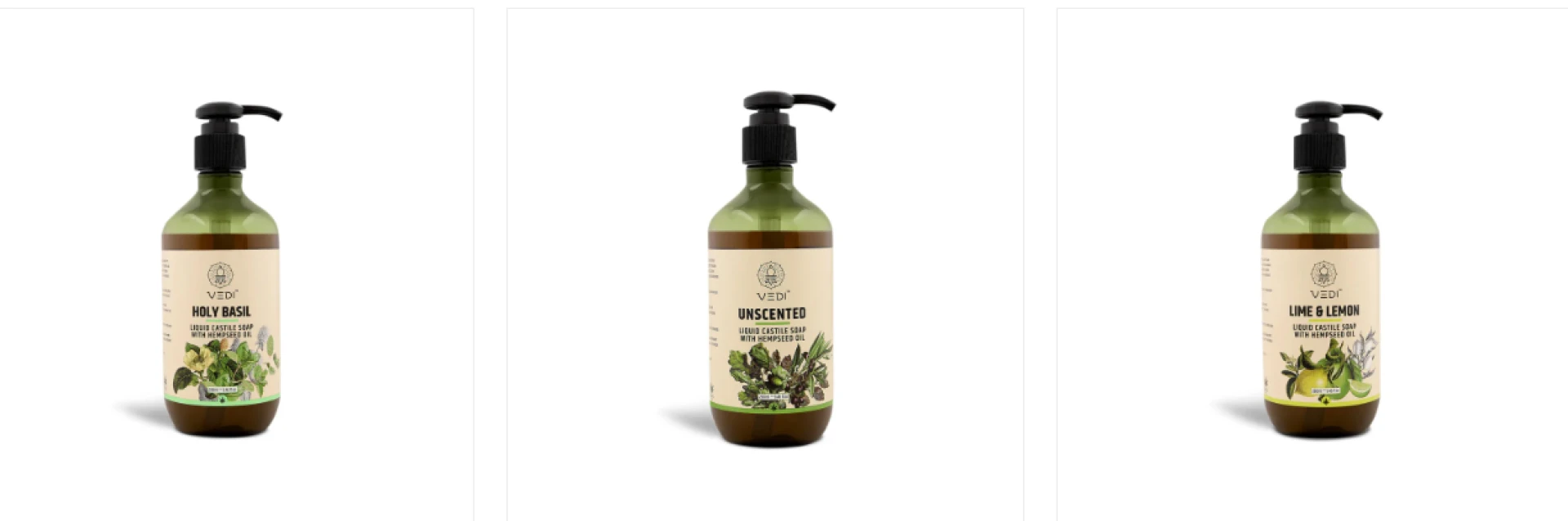
The demand for botanical personal care products has grown significantly as more people look for gentle, plant-based alternatives to conventional skincare. From herbal cleansers to nutrient-rich oils, botanical ingredients have become a preferred choice for individuals who value naturally derived formulations and mindful skincare routines.
For beginners, however, understanding botanical ingredients can feel overwhelming. Product labels often contain unfamiliar plant names, essential oils, and herbal extracts that make it difficult to determine which ingredients are genuinely beneficial.
This guide explains the most common botanical ingredients used in personal care, how they support healthy skin, and what to consider before choosing products for your daily routine.
Why Botanical Ingredients Are Becoming More Popular
Botanical ingredients are sourced from plants, flowers, herbs, seeds, fruits, and natural oils. Many of these ingredients have been used in traditional wellness systems for generations and are now supported by modern cosmetic research for their skin-conditioning properties.
Consumers are increasingly choosing botanical formulations because they often contain naturally derived moisturizing agents, antioxidants, vitamins, and essential fatty acids that help support the skin's natural barrier.
Some common reasons people prefer botanical personal care products include:
- Gentle cleansing for everyday use
- Plant-based moisturizing properties
- Naturally occurring antioxidants
- Reduced dependence on harsh synthetic ingredients
- Compatibility with various skin types
Understanding Botanical Ingredients
Botanical ingredients are not limited to herbs alone. They include a wide range of plant-derived components that serve different functions in skincare and personal hygiene products.
These ingredients may be extracted from:
- Leaves
- Seeds
- Flowers
- Fruits
- Roots
- Bark
- Plant oils
Each botanical ingredient contributes unique properties depending on its natural composition.
Common Botanical Ingredients Found in Personal Care
Plant Oils
Plant oils are among the most widely used botanical ingredients because they help nourish and soften the skin while supporting moisture retention.
Popular botanical oils include:
- Olive oil
- Coconut oil
- Jojoba oil
- Sunflower oil
- Almond oil
- hemp seed oil
Hemp seed oil is especially valued for its naturally occurring omega-3 and omega-6 fatty acids, which help maintain healthy-looking skin and improve hydration without leaving a heavy residue.
Herbal Extracts
Herbal extracts are concentrated plant ingredients obtained from leaves, roots, or flowers. They are commonly added to skincare products because of their soothing and conditioning properties.
Some frequently used herbal extracts include:
Tulsi
Tulsi (Holy Basil) is traditionally known for its purifying properties. In skincare products, it helps cleanse the skin while supporting a fresh and balanced appearance.
Individuals looking for herbal cleansing options often explore products such as Buy Tulsi Castile Soap Bar, which combines botanical cleansing ingredients with the traditional benefits of tulsi.
Aloe Vera
Aloe vera is widely recognized for its hydrating and soothing properties. It is commonly used in moisturizers, cleansers, and after-sun skincare products.
Neem
Neem is frequently included in personal care products designed for oily or blemish-prone skin because of its cleansing and skin-conditioning qualities.
Lavender
Lavender is appreciated for both its pleasant aroma and calming skincare properties. It is commonly used in soaps, body washes, and bath products.
Botanical Oils vs Essential Oils
Many beginners confuse botanical oils with essential oils, but they serve different purposes.
Botanical Oils
Botanical oils are carrier oils extracted from seeds, nuts, or fruits. They are rich in fatty acids and are primarily used to moisturize and nourish the skin.
Examples include:
- Olive oil
- Coconut oil
- Hemp seed oil
- Sweet almond oil
Essential Oils
Essential oils are highly concentrated aromatic compounds extracted from plants.
Examples include:
- Lavender essential oil
- Tea tree oil
- Cedarwood oil
- Lemon oil
Since essential oils are highly concentrated, they are typically blended with carrier oils before being included in personal care formulations.
Reading Personal Care Labels More Confidently
Learning to read ingredient labels helps consumers make informed purchasing decisions.
When evaluating botanical skincare products, consider the following:
Look for Clearly Listed Plant Ingredients
Transparent ingredient lists help identify the botanical extracts used in a formulation.
Understand the Purpose of Each Ingredient
Some ingredients cleanse, while others hydrate, protect, or improve texture.
Consider Your Skin Type
Different botanical ingredients may be better suited for dry, oily, combination, or sensitive skin.
Choose Products From Trusted Manufacturers
Reliable manufacturers provide clear ingredient information, quality standards, and appropriate usage instructions.
Botanical Ingredients and Everyday Skin Care
Building a skincare routine with botanical ingredients does not require replacing every product at once.
A simple routine may include:
Gentle Cleanser
Choose a plant-based cleanser that removes dirt while helping preserve the skin's natural moisture.
Moisturizer
Botanical oils help maintain hydration and support the skin barrier.
Targeted Care
Products containing specific herbal extracts may complement individual skincare needs based on personal preference.
Consistency is often more important than using multiple products at the same time.
Understanding Cannabis in Personal Care Discussions
As botanical wellness becomes more widely discussed, consumers frequently come across terms related to cannabis.
Understanding the cannabis meaning is helpful because the word is often used broadly to describe different plant varieties and plant-derived ingredients. Not every cannabis-related ingredient serves the same purpose, and personal care products may use different botanical components depending on local regulations and product formulation.
Learning the terminology enables consumers to better understand product labels and make informed choices.
Tips for Choosing Botanical Personal Care Products
Prioritize Ingredient Transparency
Select products with clearly identified botanical ingredients and complete ingredient lists.
Introduce New Products Gradually
Testing one product at a time makes it easier to evaluate how your skin responds.
Follow Product Directions
Using products according to manufacturer recommendations helps achieve the intended results.
Maintain Realistic Expectations
Botanical ingredients support healthy skincare routines through consistent use rather than providing immediate transformations.
Conclusion
Botanical ingredients have become an important part of modern personal care because they combine traditional plant knowledge with contemporary skincare innovation. Whether derived from herbs, flowers, seeds, or natural oils, these ingredients contribute cleansing, moisturizing, and skin-conditioning benefits that suit a wide range of skincare routines.
By understanding ingredient labels, recognizing the role of botanical extracts, and selecting products that match your skin's needs, you can build a simple and effective personal care routine with greater confidence. As interest in naturally inspired skincare continues to grow, learning about botanical ingredients is an excellent first step toward making informed choices for long-term skin wellness.



























Sign in to leave a comment.