

Light therapy, also known as phototherapy, has emerged as a powerful, non-invasive treatment for a range of physical, mental, and emotional conditions. Among the various tools used in light therapy, LED light lamps have gained significant popularity due to their efficiency, versatility, and safety. Unlike traditional light sources, LED (Light Emitting Diode) lamps offer targeted wavelengths, energy efficiency, and customizable settings, making them ideal for therapeutic applications. This comprehensive article explores the science behind LED light therapy, its diverse benefits, and its growing role in modern wellness and medical practices.
Understanding LED Light Therapy
LED light therapy involves the use of specific wavelengths of light emitted by LED lamps to stimulate biological processes in the body. These wavelengths, typically ranging from ultraviolet (UV) to infrared (IR), penetrate the skin at varying depths to promote healing, reduce inflammation, and improve mental health. Unlike UV light, which can damage skin, LED therapy uses safe, non-thermal light that does not harm tissues. The most commonly used wavelengths in LED therapy include:
- Red Light (620–700 nm): Penetrates deeper into the skin, promoting cellular repair and collagen production.
- Blue Light (400–500 nm): Targets the skin’s surface, effective for acne treatment and mood regulation.
- Near-Infrared Light (700–1100 nm): Reaches deeper tissues, aiding in pain relief and muscle recovery.
- Green Light (500–570 nm): Calms inflammation and may help with pigmentation issues.
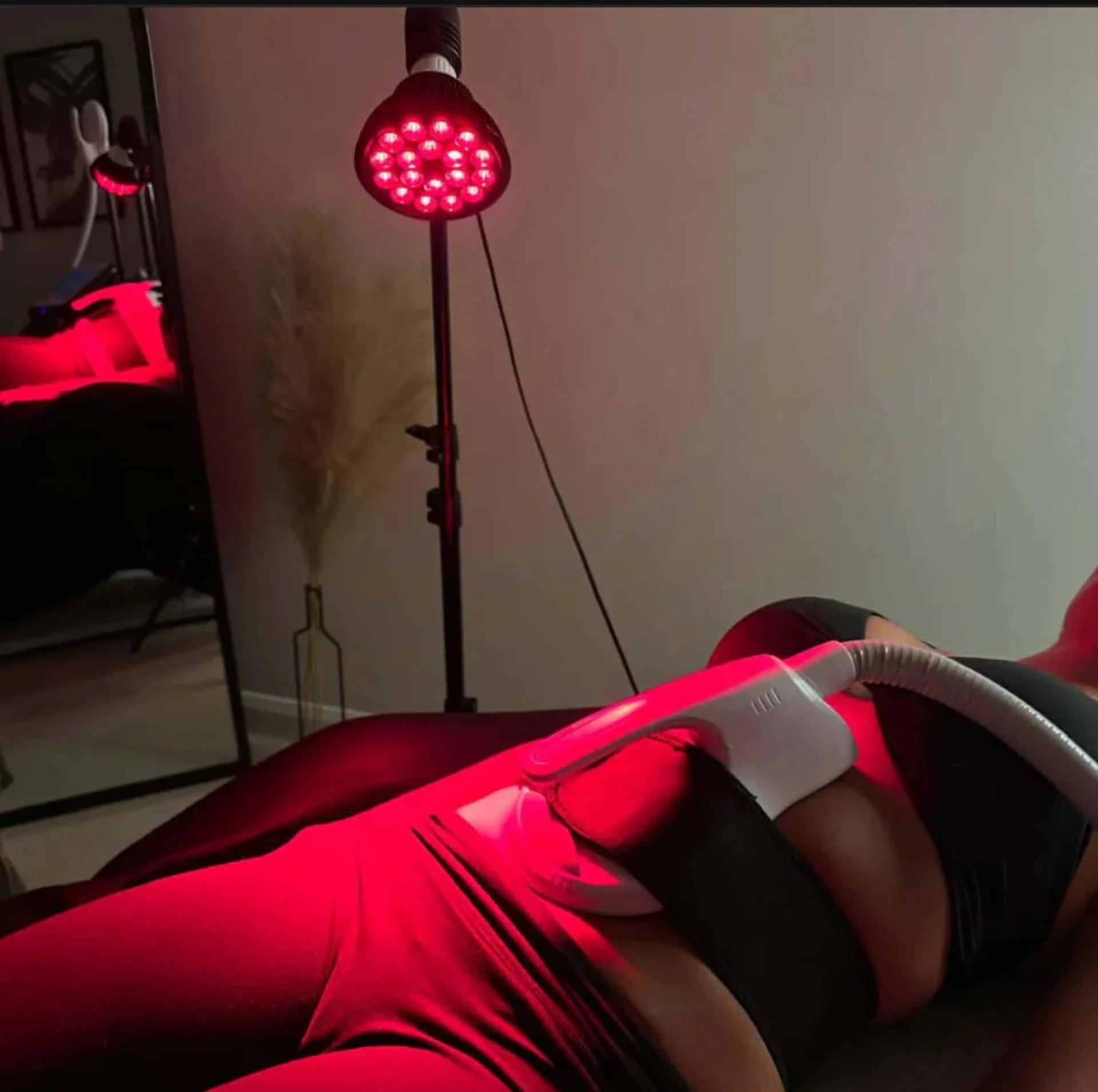
LED light lamps are designed to emit these wavelengths at precise intensities, allowing for tailored treatments depending on the condition being addressed. The therapy is non-invasive, painless, and requires no downtime, making it an attractive option for both clinical and home use.
Key Benefits of LED Light Lamps for Therapy
1. Skin Health and Rejuvenation
One of the most well-known applications of LED light therapy is in dermatology and skincare. LED lamps, particularly those emitting red and near-infrared light, stimulate collagen and elastin production, which are essential for maintaining skin elasticity and firmness. Benefits for skin health include:
- Anti-Aging Effects: Red LED light therapy at home boosts fibroblast activity, reducing the appearance of fine lines, wrinkles, and sagging skin. A 2019 study published in Photobiomodulation, Photomedicine, and Laser Surgery found that red LED light significantly improved skin texture and reduced wrinkles after regular sessions.
- Acne Treatment: Blue light therapy targets Propionibacterium acnes, the bacteria responsible for acne, while reducing inflammation and oil production. Studies, such as one from the Journal of Clinical and Aesthetic Dermatology (2020), show that blue LED light can reduce acne lesions by up to 70% with consistent use.
- Wound Healing and Scar Reduction: LED therapy accelerates tissue repair by enhancing cellular energy production (ATP) and improving blood flow. This is particularly beneficial for post-surgical scars, burns, or chronic wounds.
- Hyperpigmentation and Even Skin Tone: Green light therapy can help reduce melanin overproduction, addressing issues like age spots and sun damage.
LED light therapy is widely used in spas, dermatology clinics, and even at home with portable devices, offering a safe alternative to invasive procedures like chemical peels or laser resurfacing.
2. Mental Health and Mood Regulation
LED light therapy, particularly with bright white or blue light, is highly effective for treating mood disorders, especially Seasonal Affective Disorder (SAD). SAD, a type of depression triggered by reduced sunlight exposure in winter, affects millions worldwide. LED light lamps designed for SAD emit bright light (typically 10,000 lux) to mimic natural sunlight, helping to regulate the body’s circadian rhythm and boost serotonin levels.
- Seasonal Affective Disorder (SAD): A 2017 meta-analysis in Chronobiology International confirmed that bright light therapy using LED lamps significantly reduces depressive symptoms in SAD patients, with effects comparable to antidepressants in some cases.
- Improved Sleep Quality: By regulating melatonin production, LED light therapy helps reset sleep-wake cycles, benefiting those with insomnia or jet lag. Morning exposure to bright LED light suppresses melatonin, promoting alertness during the day and better sleep at night.
- Non-Seasonal Depression and Anxiety: Emerging research suggests that light therapy may also alleviate symptoms of non-seasonal depression and anxiety by modulating brain activity and reducing cortisol levels.
LED light boxes are portable, affordable, and easy to use, making them a practical tool for managing mental health at home.
3. Pain Management and Muscle Recovery
LED light therapy, particularly with red and near-infrared wavelengths, is increasingly used in physical therapy and sports medicine for pain relief and tissue repair.
- Chronic Pain Reduction: Near-infrared light penetrates deep into muscles, joints, and tissues, reducing inflammation and promoting healing. A 2018 study in Lasers in Medical Science found that LED therapy significantly reduced pain in patients with chronic lower back pain.
- Muscle Recovery: Athletes use LED light therapy to accelerate muscle repair after intense workouts. The therapy enhances mitochondrial function, increasing ATP production and reducing oxidative stress, which speeds up recovery. A 2021 study in Frontiers in Sports and Active Living reported that red LED therapy reduced muscle soreness and improved performance in athletes.
- Arthritis and Joint Pain: LED therapy can alleviate symptoms of osteoarthritis and rheumatoid arthritis by reducing inflammation and improving joint mobility.
Unlike traditional pain relief methods, LED therapy is non-invasive and free from side effects, making it a safe option for long-term pain management.
4. Improved Circulation and Tissue Repair
LED light therapy promotes vasodilation (widening of blood vessels), which enhances blood flow and oxygen delivery to tissues. This is particularly beneficial for:
- Wound Healing: Enhanced circulation delivers nutrients and oxygen to damaged tissues, speeding up recovery from cuts, burns, or surgical incisions.
- Tissue Regeneration: Red and near-infrared light stimulate angiogenesis (formation of new blood vessels), aiding in the repair of damaged tissues, such as in diabetic ulcers or pressure sores.
- Post-Surgical Recovery: LED therapy is used in clinical settings to reduce swelling and promote faster healing after surgeries.
5. Neurological and Cognitive Benefits
Emerging research suggests that LED light therapy, particularly near-infrared light, may have neuroprotective effects. Transcranial photobiomodulation, where light is applied to the scalp, is being studied for its potential to improve brain function.
- Cognitive Enhancement: Preliminary studies, such as one published in Frontiers in Neuroscience (2020), indicate that near-infrared LED therapy may improve memory, attention, and executive function in healthy individuals and those with mild cognitive impairment.
- Traumatic Brain Injury (TBI) and Stroke Recovery: LED therapy may reduce inflammation and promote neurogenesis (new neuron formation), aiding recovery from brain injuries.
- Neurodegenerative Diseases: Early research suggests potential benefits for conditions like Alzheimer’s and Parkinson’s disease, though more clinical trials are needed.
6. Energy Efficiency and Safety
LED light lamps are highly energy-efficient compared to traditional incandescent or fluorescent bulbs used in older light therapy devices. They produce minimal heat, reducing the risk of burns or discomfort during treatment. Additionally, LED lamps are free from harmful UV rays, making them safe for prolonged use when following manufacturer guidelines.
7. Versatility and Accessibility
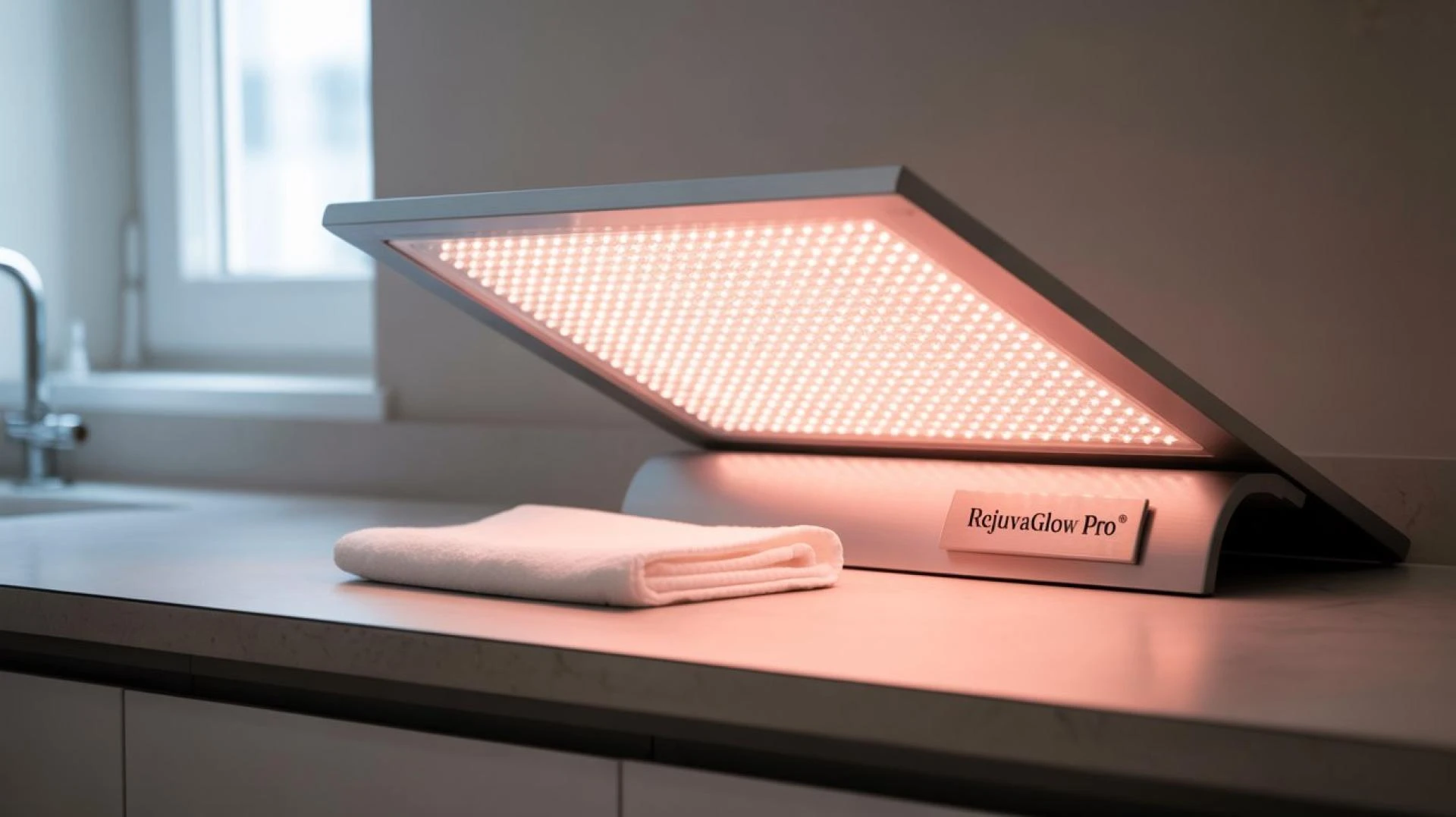
LED light therapy devices come in various forms, from professional-grade panels used in clinics to compact, at-home devices like masks, wands, and light boxes. This versatility makes LED therapy accessible to a wide range of users. Many devices allow users to switch between wavelengths (e.g., red, blue, or green) for customized treatments, and their portability enables consistent use at home or on the go.
Practical Considerations for LED Light Therapy
Choosing the Right Device
When selecting an LED light therapy device, consider the following:
- Wavelength Specificity: Ensure the device emits the appropriate wavelength for your condition (e.g., red for anti-aging, blue for acne, or bright white for SAD).
- Intensity and Lux: For SAD, a device with 10,000 lux is recommended. For skin or pain therapy, check the intensity (measured in milliwatts per square centimeter) to ensure efficacy.
- FDA Approval or CE Certification: Look for devices that meet safety and efficacy standards.
- Treatment Area: Choose a device suited to the area you’re treating (e.g., a mask for facial skin, a panel for larger body areas).
Usage Guidelines
- Duration and Frequency: Treatment times vary (10–30 minutes per session, 3–5 times per week) depending on the condition and device. Follow manufacturer instructions or consult a healthcare provider.
- Eye Protection: For bright light therapy (e.g., SAD treatment), avoid staring directly at the light to prevent eye strain. Most LED devices are safe, but protective glasses may be recommended for high-intensity treatments.
- Consistency: Regular use is key to seeing results, whether for skin rejuvenation, pain relief, or mood improvement.
Potential Side Effects
LED light therapy is generally safe, with minimal side effects. Some users may experience mild redness, eye strain, or headaches, particularly with bright light therapy. These effects are usually temporary and can be mitigated by adjusting session duration or intensity.
The Science Behind LED Light Therapy
The therapeutic effects of LED light therapy are rooted in photobiomodulation, the process by which light interacts with cells to stimulate biological activity. When specific wavelengths of light are absorbed by chromophores (light-sensitive molecules) in the skin or tissues, they trigger reactions such as:
- Increased ATP Production: Light stimulates mitochondria, the cell’s powerhouses, to produce more adenosine triphosphate (ATP), fueling cellular repair and regeneration.
- Reduced Oxidative Stress: LED therapy enhances antioxidant activity, protecting cells from damage caused by free radicals.
- Modulation of Inflammation: Light therapy reduces pro-inflammatory cytokines, alleviating swelling and pain.
- Circadian Rhythm Regulation: Bright light exposure influences the suprachiasmatic nucleus (SCN) in the brain, which controls sleep-wake cycles and hormone production.
These mechanisms explain why LED therapy is effective for such a wide range of conditions, from skin issues to neurological disorders.
Future Directions and Innovations
The field of LED light therapy is rapidly evolving, with ongoing research exploring new applications. Innovations include:
- Wearable LED Devices: Flexible patches and clothing embedded with LEDs for targeted, on-the-go therapy.
- Combination Therapies: Integrating LED therapy with other modalities, such as cryotherapy or radiofrequency, for enhanced results.
- Personalized Light Therapy: Advances in AI and wearable sensors may allow devices to adapt wavelengths and intensities to individual needs in real time.
- Neurological Applications: Clinical trials are investigating LED therapy for conditions like Alzheimer’s, Parkinson’s, and depression, with promising early results.
Conclusion
LED light lamps have revolutionized the field of light therapy, offering a safe, effective, and versatile tool for improving physical and mental health. From rejuvenating skin and alleviating pain to boosting mood and aiding neurological recovery, the benefits of LED therapy are backed by a growing body of scientific evidence. Its non-invasive nature, minimal side effects, and accessibility make it an appealing option for both clinical and home use. As research and technology continue to advance, LED light therapy is poised to become an even more integral part of holistic health and wellness, illuminating the path to better health for millions worldwide.
For those interested in exploring LED light therapy, consult a healthcare professional or dermatologist to determine the best approach for your needs, and choose a high-quality device tailored to your goals. With consistent use, LED light lamps can shine a light on improved health and well-being.
























Sign in to leave a comment.