
Introduction
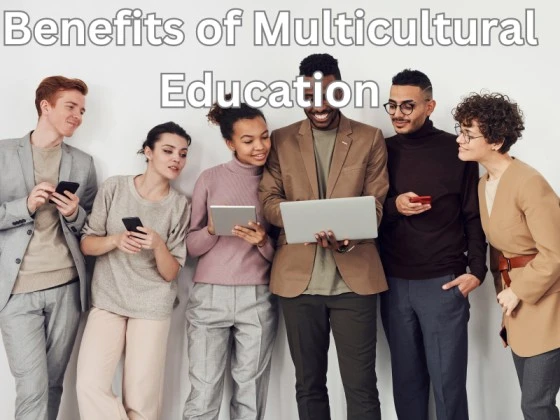
The benefits of multicultural education are significant for developing inclusive and globalized learning environments in the classroom. This type of educational model encourages students to broaden their perspectives, engage in meaningful experiences, and learn how to respect and work with people from different backgrounds.
In an increasingly globalized world, developing a multicultural education in the classroom is important for helping students grow and develop an appreciation for cultural diversity. By introducing students to different perspectives and cultures, they will gain a greater understanding of how the world works as they learn to interact with people from all walks of life. Additionally, encouraging diverse classroom conversations can help students develop their problem-solving skills while also engaging in respectful dialogue about difficult topics.
Equally important is the need to address power dynamics within multicultural classrooms. Teachers must be mindful of providing equitable opportunities for all students regardless of gender, race, religion, socioeconomic status, or any other demographic factor. To do this effectively, educators need to create an environment that is free from discrimination and bias while ensuring there is respect for diverse cultures and ideas. This includes implementing antidiscriminatory strategies such as having open conversations with all students about various cultural issues.
You can also read - How To Use Basic Design Principles To Decorate Your Home
The goal of multicultural education is to enable students to become more tolerant citizens who can think critically about different perspectives. By creating these inclusive learning environments, educators can ensure that each student gets adequate representation while also improving engagement by providing meaningful experiences which highlight diversity both inside and outside the classroom. Ultimately this type of learning will prepare our future generations with valuable skills needed to succeed in a rapidly changing world.
Historical Perspective on Multicultural Education
Multicultural education is a term that has become increasingly popular over the last few decades. Its primary focus is to recognize and respect cultural diversity within educational settings such as classrooms or universities. This approach aims to create an inclusive environment in which all students feel acknowledged and respected. It also has the potential to help students develop a better understanding of other cultures and strengthen their problem-solving skills. To understand multicultural education, it is important to examine its historical perspective.
Colonialism has had a profound impact on the development of multicultural education in the modern-day classroom. The introduction of colonial power during the 16th century meant that European countries were pitted against each other while attempting to take control of different lands and people across the world. This competition led to new pathways that opened up for cultural exchange between colonized and colonizing countries, slowly paving the way for more diverse educational environments.
The roots of multiculturalism have been traced back to Europe, where there has been a long history of culturally diverse classrooms. From Jewish scholars teaching in universities during the middle ages to Christian missionaries trying to spread their faith in Asia and Africa; Europeans experienced firsthand how cultural diversity can bring value and insight into learning environments.
Teachers now have access to a variety of methodologies and strategies for building culturally responsive classrooms that are oriented towards heterogeneity rather than homogeneity. Incorporating elements such as language activities, culture clubs, and intercultural communication can all be used when developing instructional plans with a multicultural outlook in mind.
Advantages of Cultural Diversity in Schools
As our world gets more interconnected and globalized, diversity has become an essential part of education. Cultural diversity in schools has numerous advantages that promote learning and accessibility for all students from all backgrounds.
Understanding different cultures is one of the primary benefits of bringing cultural diversity into the classroom. Teachers can use this to their advantage by incorporating lessons on different cultures into their curriculum, allowing students to learn more about other societies and traditions. This not only teaches them about cultural differences but also encourages respect and empathy for different worldviews.
You Can Also Read It - Creative Decorating with Houseplants, from Floor to Ceiling
By understanding different cultures, students will be exposed to new ideas that often challenge traditional beliefs. This will help them expand their worldviews by providing a broader perspective on socioeconomic issues, religions, and other aspects of culture. Moreover, exposing them to multiple languages allows for a greater understanding of how language affects communication and opens up new avenues for learning other languages as well.
By increasing exposure to diverse populations, there is also an improved academic environment present where every student feels respected and valued regardless of their background or culture. This helps create an atmosphere of equitable perspectives which further encourages collaboration among students around various topics or projects leading to a more productive learning experience.
Finally, raising awareness of potential cultural biases is one of the most important advantages of having cultural diversity in schools. Developing this kind of awareness at an early age helps young people better understand their own biases as well as how they affect others in society. This encourages open conversations around sensitive topics related to social justice which can lead to a better understanding of these issues in future generations.
Expanding Access to Different Perspectives
When it comes to creating a truly globalized learning environment, expanding access to different perspectives is essential. By providing students with the opportunity to learn and understand different cultures, they can gain a newfound appreciation for both their own culture and the cultures of others. This increased cultural awareness helps foster inclusivity, critical thinking, and problem-solving skills — all of which are becoming increasingly important in today’s interconnected world.
Inclusive learning environments provide an abundance of opportunities for students to engage with different perspectives and backgrounds. Through multicultural education, students can learn about other cultures and examine how their own culture influences them. It also encourages students to develop empathy for other communities by helping them understand diverse perspectives and experiences. Furthermore, learning from multiple cultural sources develops one’s critical thinking skills as well as improves their ability to solve problems and negotiate effectively with others.
Students who are exposed to a variety of cultural experiences are better equipped at communicating their ideas across various contexts. They can recognize differing viewpoints more efficiently than someone who isn’t aware of other cultures, which leads to improved problem-solving abilities and communication skills when interacting with individuals from diverse backgrounds. Additionally, multicultural education promotes positive regard and acceptance for individuals from other cultures—allowing everyone involved to interact without bias or prejudice.
Encouraging Creative Problem-Solving Skills in Students
Creativity is essential for problem-solving and is an invaluable skill for students to have. Encouraging creative problem-solving skills in students can be done in a few different ways. This blog will outline how educators and administrators can cultivate creativity, promote critical thinking, and create an inclusive learning environment to help students develop creative problem-solving skills.
First, it is important to cultivate creativity within the classroom by supporting diverse backgrounds and perspectives. By recognizing different points of view and valuing the unique experiences of each student, educators can create an environment that encourages creative thinking and fosters collaboration among students.
Second, it’s important to promote critical thinking by teaching students a problem-solving approach that encourages them to look at a challenge from multiple angles. By doing this, they will learn how to better analyze complex problems and assess challenges from different perspectives.
Third, it is beneficial to globalize classroom learning by incorporating materials from other cultures into the curriculum. Exposure to different cultures helps broaden students’ horizons while helping them develop analytical skills. Additionally, teachers may consider introducing activities or simulations that involve international collaboration between classrooms in different countries—this would allow students to apply what they have learned across cultural contexts.
Lastly, educators need to create an inclusive environment for all learners so that everyone feels safe and respected while learning about creative problem-solving skills. An inclusive environment allows all students to reach their full potential without any judgment or bias toward others with varying backgrounds or beliefs. Teachers should strive for understanding among all their learners to foster an environment of growth within the classroom.
Promoting Positive Intercultural Relationships
Creating positive intercultural relationships is important for everyone to understand. It not only creates a more integrated and accepting world, but it also helps us to learn more about different cultures and appreciate the perspectives of others.
Intercultural awareness is essential for building relationships between people with different backgrounds. An understanding of other cultures can help to create mutual respect and empathy, fostering a culture of acceptance that embraces diversity. Embracing diversity allows us to recognize the unique qualities that different cultures bring and find ways in which we can learn from one another.
You can also read- Luxurious Four-Bedroom House with Roman Stone Bath House
Global perspectives are an important component of building relationships since they can provide us with insight into how other people view the world. Through open communication and respectful dialogue, we can gain new perspectives on life’s challenges and become more understanding of each other’s differences.
Cultural integration is another key element that promotes positive relationships across cultures. This involves finding common ground and elements of shared experience while understanding that there will always be differing opinions, values, and beliefs. By embracing cultural integration, we open ourselves up to unique ideas that challenge our preconceived notions of what culture means to us.
Conflict resolution is something else that must be addressed when looking at intercultural relations. This could involve finding solutions through dialogue or by using cultural mediation techniques such as problem-solving activities or asking questions to build understanding between two sides.
The Impact of Multicultural Education on Student Performance and Engagement Levels
It’s no secret that the world is becoming increasingly globalized. We are now more connected than ever before, with technology allowing us to travel, communicate, and experience different cultures without ever leaving our homes. As a result, it is becoming increasingly important for schools to embrace multicultural education and create more inclusive learning environments.
Multicultural education is a great way for students to learn about different cultures in an open-minded and respectful way. It encourages cross-cultural respect and awareness while also encouraging learners to be accepting of diversity. This not only boosts student performance and engagement levels, but it helps create a sense of unity and understanding among the student body.
Moreover, globalized learning can also have positive effects on student performance in other areas such as language skills, problem-solving, critical thinking skills, decision-making abilities, and creativity. By having a greater understanding of different cultures, students can look at problems from multiple angles and draw on various experiences to find the best solutions.
Harnessing the Benefits of Multicultural Education to Create Inclusive Learning Environments
As our world grows increasingly interconnected, educational institutions need to recognize the power of multicultural education in creating inclusive learning environments. Multiculturalism is often defined as the promotion of a society in which all cultures and backgrounds can live peacefully together, with equal opportunities to participate in and contribute to the community.
When implemented effectively, multicultural education has many benefits that can enhance learning environments and increase student engagement. By breaking stereotypes and promoting cultural understanding, an emphasis on multiculturalism encourages students to think outside the box and explore new perspectives. It also allows students to gain greater insight into other cultures and boosts their global awareness. Furthermore, its inclusion of diverse backgrounds creates an atmosphere of acceptance in classrooms, building cohesive communities among students of different cultures.
Although many advantages come from multicultural education, there can be issues related to its implementation. A lack of resources or institutional support may make it difficult for educators to create a curriculum devoted exclusively to cultural topics. Additionally, preparing teachers for this type of instruction requires specialized training due to its complexity and sensitivity—this may create additional challenges for schools or districts that lack both the capacity and expertise necessary for an effective multicultural approach.

























Sign in to leave a comment.