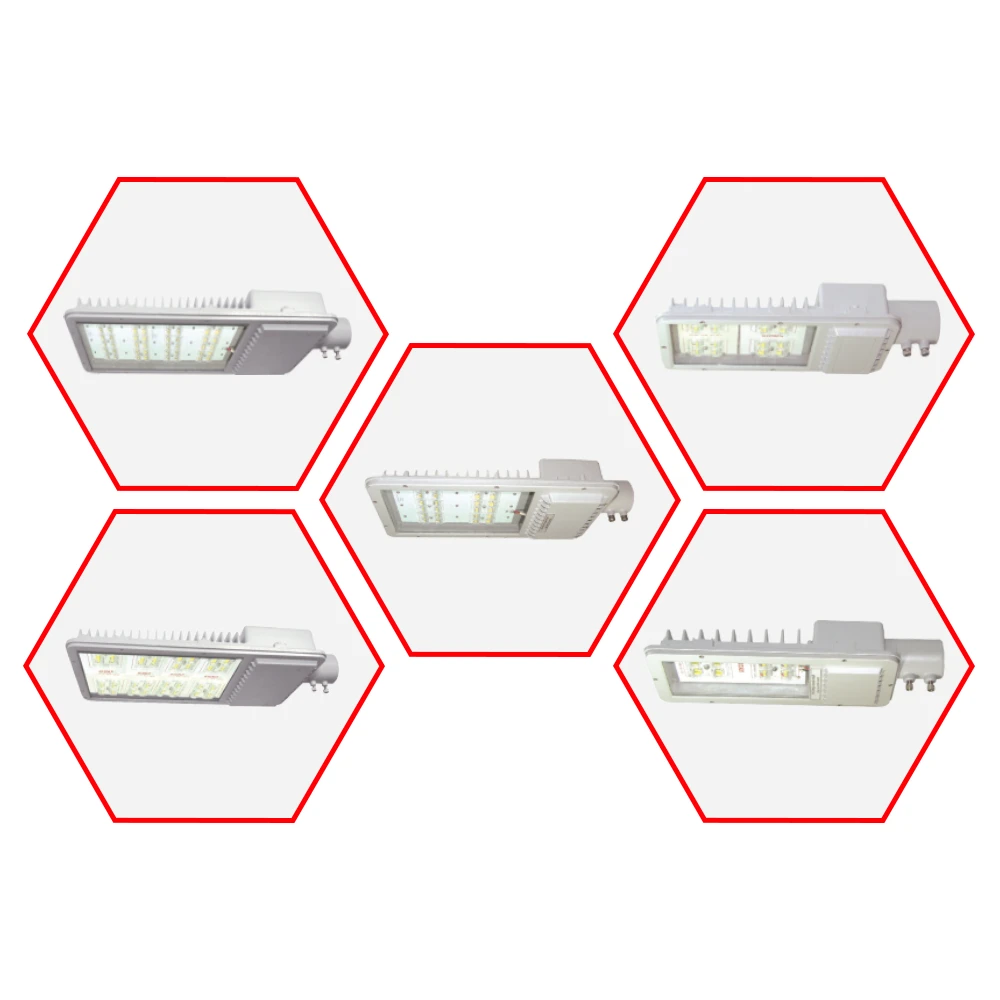

As the sun sets and the city lights flicker on, have you ever stopped considering the impact of those traditional street lights? Dark skies illuminated by outdated technology drain energy and strain budgets. But fear not! The dawn of LED streetlights is breaking, promising a brighter, more efficient future for cities worldwide. Let's delve into the illuminating benefits of upgrading to LED street lights with Sigma Search Lights Ltd. (Information Credit: https://sigma-lights.co.in/product-category/electrical-street-light)
The current state of traditional street lights and their drawbacks
With their glowing incandescent bulbs or high-pressure sodium lamps, traditional street lights have long been the go-to choice for cities worldwide. However, despite their widespread use, these outdated lighting fixtures have drawbacks that must be addressed.
One of the significant issues with traditional street lights is their inefficiency in energy consumption. These lights guzzle electricity like there's no tomorrow, leading to excessive utility bills that strain city budgets. Moreover, the constant need for maintenance and replacement due to short lifespans further adds to the financial burden on municipalities.
In addition to being energy hogs and budget busters, traditional street lights also contribute significantly to light pollution and carbon emissions. The harsh glare emitted by these lights disrupts natural ecosystems and affects human health by disrupting sleep patterns and circadian rhythms. It's clear that relying on outdated technology comes at a cost – both financially and environmentally.
What are LED streetlights?
LED street lights, also known as light-emitting diode street lights, are a modern and energy-efficient lighting solution for outdoor spaces. Unlike traditional street lights that use incandescent or high-pressure sodium bulbs, LED lights utilize diodes to produce light. These diodes emit bright illumination while consuming significantly less energy than conventional options.
One of the critical features of LED streetlights is their long lifespan, often lasting up to 100,000 hours or more. This durability reduces maintenance costs and the frequency of replacements, making them a cost-effective choice in the long run. Additionally, LED lights offer better directional lighting than older technologies, improving visibility on roads and sidewalks.
Furthermore, LED street lights are environmentally friendly due to their lower energy consumption. By reducing electricity usage, cities can decrease their carbon footprint and contribute to sustainability efforts. LED technology offers cities an innovative and eco-conscious way to illuminate streets efficiently while saving money on energy bills.
The benefits of upgrading to LED streetlights
LED streetlights offer numerous advantages over traditional lighting options, making them an intelligent choice for cities looking to enhance their lighting infrastructure. One of the key benefits of upgrading to LED streetlights is the significant cost savings they provide in the long run. LEDs are more energy-efficient and have a longer lifespan than traditional bulbs, reducing maintenance and replacement costs for municipalities.
In addition to cost savings, LED streetlights contribute to improved energy efficiency and environmental sustainability. By consuming less electricity, LEDs help lower carbon emissions and support green initiatives to reduce the ecological footprint of urban areas. This makes them an attractive option for cities striving to become more environmentally conscious and energy-efficient.
Furthermore, many cities that have switched to LED streetlights have reported positive outcomes such as increased visibility, enhanced safety, and improved aesthetics. The superior quality of light emitted by LEDs creates a brighter and more uniform illumination on streets, sidewalks, and public spaces, contributing to better visibility at night and ultimately enhancing overall safety for residents and motorists alike.
Overall, upgrading to LED street lights not only saves money but also promotes energy efficiency and environmental sustainability while improving visibility.
Cost savings in the long run
Switching to LED streetlights can lead to significant cost savings for cities and municipalities in the long run. While the initial investment may be higher than traditional lighting options, the lower energy consumption and longer lifespan of LEDs make them a cost-effective choice over time.
LED streetlights are known for their efficiency, using up to 50% less energy than traditional sodium-vapor lamps. This reduced energy usage translates into lower electricity bills for local governments, making LED upgrades an intelligent financial decision.
Moreover, the extended lifespan of LED bulbs means fewer maintenance costs associated with frequent replacements. With durability that can outlast traditional lighting by years, cities can save on material and labour expenses related to upkeep.
By investing in LED technology now, cities can reap the benefits of substantial cost savings over the long term while contributing to a more sustainable and environmentally friendly future.
Impact on energy efficiency and the environment
LED streetlights have a significant impact on energy efficiency and the environment. By switching to LED technology, cities can reduce their energy consumption by up to 50% compared to traditional lighting systems. This results in lower electricity bills for municipalities and a reduced carbon footprint.
Furthermore, LED lights have a longer lifespan than traditional bulbs, meaning fewer replacements are needed. This not only saves money on maintenance costs but also reduces the amount of waste generated from disposing of old bulbs.
Regarding environmental benefits, LED streetlights do not contain harmful substances like mercury found in some traditional light sources. This means that when it's time to dispose of LEDs, there is less risk of contaminating the soil or water sources with toxic chemicals.
The shift towards LED street lights represents a positive step towards creating more sustainable and eco-friendly urban environments.
Success stories of cities that have switched to LED streetlights
Cities worldwide are reaping the benefits of upgrading to LED street lights. For example, the city of Los Angeles switched to LEDs and saw a significant reduction in energy consumption and cost savings of up to 63%! This improved visibility on the streets and contributed to a more sustainable environment.
In New York City, implementing LED street lights led to an impressive 35% decrease in energy usage. Residents have noticed brighter streets at night and feel safer walking around their neighbourhoods. Additionally, the reduced maintenance needs of LED lights have saved the city thousands of dollars annually.
Across Europe, cities like London and Barcelona have embraced LED technology with positive results. These cities have witnessed lower carbon emissions due to decreased energy consumption from street lighting. The shift towards LED has successfully enhanced urban landscapes while promoting eco-friendly practices.
How to make the switch to LED street lights: cost, installation, and maintenance considerations
When considering the switch to LED street lights, cities must first assess the initial cost. While LED lights may have a higher upfront price compared to traditional options, the long-term savings outweigh this investment. Many municipalities find that LEDs' energy efficiency and durability result in significant cost benefits over time.
Installation of LED streetlights is a relatively straightforward process. Cities can work with experienced lighting companies like Sigma Search Lights Ltd to efficiently replace existing fixtures with LED technology. Proper installation ensures optimal performance and longevity of the new lighting system.
Maintenance considerations are minimal with LED street lights. These fixtures have a longer lifespan and require less upkeep than traditional bulbs, reducing city maintenance costs in the long run. Regular inspections and cleaning ensure that LED street lights continue operating efficiently for years.
Conclusion: why upgrading to LED street lights is an intelligent decision for cities
Upgrading to LED street lights is undeniably an intelligent decision for cities and municipalities looking to save money, improve energy efficiency, and reduce their environmental impact. By switching from traditional street lights to LED technology, cities can enjoy significant cost savings in the long run while contributing to a more sustainable future. The success stories of cities that have already upgraded serve as compelling evidence of the benefits of LED streetlights. With careful consideration of costs, installation process, and maintenance requirements, transitioning to LED street lights can be a seamless and gratifying endeavour for any city looking to enhance its lighting infrastructure. Embracing this innovative technology improves visibility and safety on the streets and paves the way for a brighter and greener tomorrow.


























Sign in to leave a comment.