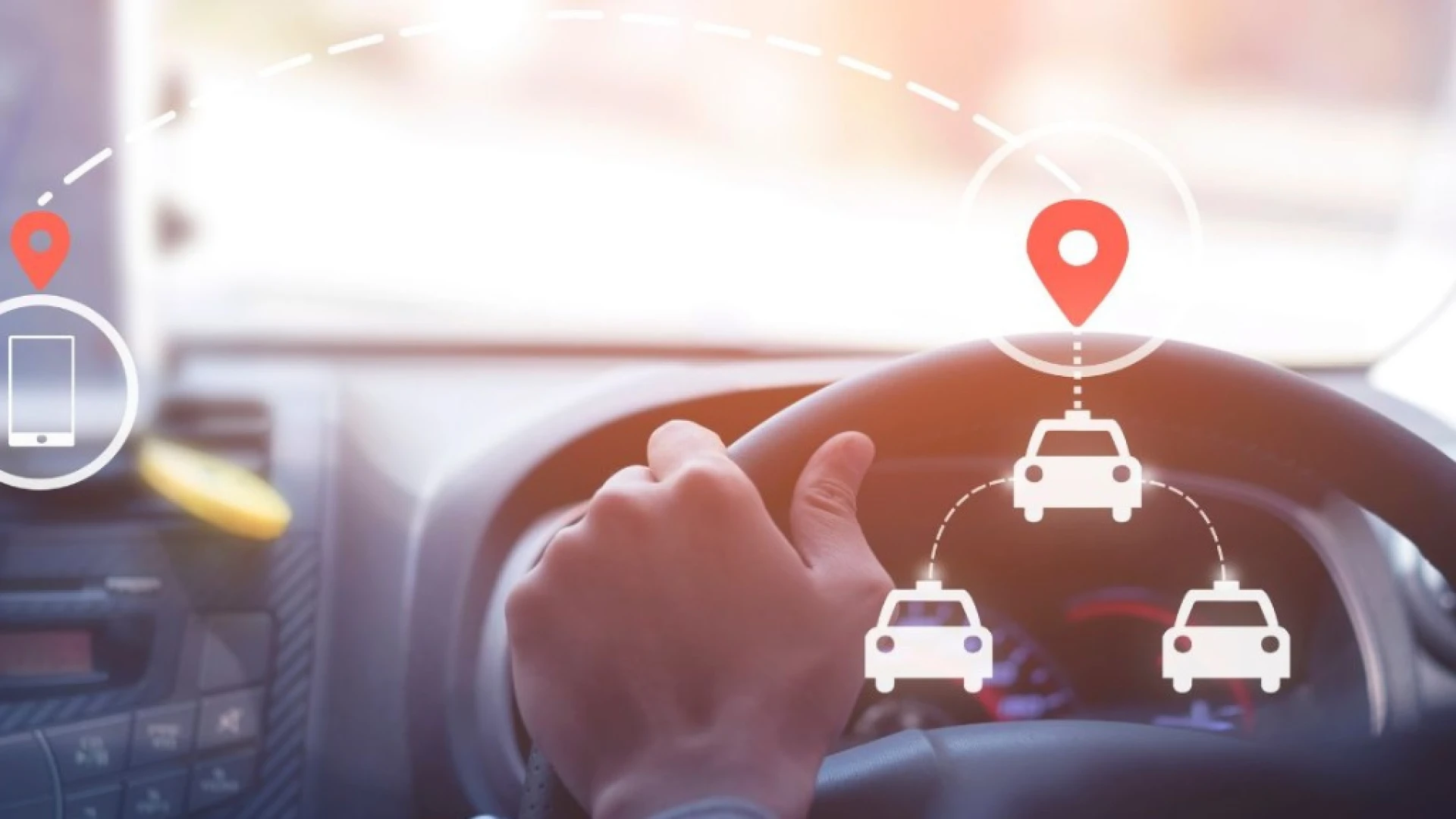

Vehicle security has become a top priority for individuals and businesses in today's fast-paced world. With the rise in automobile theft and the increasing need for efficient fleet management, GPS tracker has emerged as a reliable and indispensable solution. These advanced tracking devices utilize Global Positioning System (GPS) technology to monitor the real-time location of vehicles, providing numerous benefits for owners and managers. This article explores the advantages of using trackers for vehicle security, highlighting how they enhance safety, improve recovery rates, optimize fleet operations, and offer peace of mind to those entrusted with valuable assets on the move. As the demand for comprehensive security measures grows, these trackers have proven invaluable tools for safeguarding vehicles and their contents.
Advantages of Using a GPS Tracker for Vehicle Security
Enhanced Safety: GPS tracker plays a crucial role in ensuring the safety of vehicles and their occupants. By providing real-time location data, these devices allow owners and fleet managers to monitor their vehicles' movements closely. In an emergency or accident, It enables quick response times, allowing authorities to reach the scene promptly. Additionally, with features like geofencing, alerts can be set up to notify owners if a vehicle deviates from its designated route or enters restricted areas, helping to prevent potential risks.Improved Recovery Rates: Vehicle theft is a prevalent concern worldwide, causing significant financial losses and emotional distress for owners. GPS trackers are a powerful deterrent against theft, increasing the chances of recovering a stolen vehicle. Law enforcement agencies can use the real-time tracking information provided by GPS devices to quickly trace the stolen vehicle's location and apprehend the culprits. This heightened level of accountability makes stealing vehicles equipped with trackers a much riskier endeavor for potential thieves.Optimized Fleet Operations: GPS trackers offer various operational benefits for businesses that rely on a fleet of vehicles. Tracking the location and movement of each vehicle in real time allows for efficient route planning and optimization, minimizing fuel consumption and travel time. Fleet managers can monitor driver behavior, such as speeding or excessive idling, and implement corrective measures to improve operational efficiency. By analyzing the data collected from vehicle tracking devices, businesses can make informed decisions to reduce maintenance costs and prolong the lifespan of their vehicles.Cost Savings: Implementing GPS tracker can substantially save vehicle owners and fleet operators. By closely monitoring fuel usage and optimizing routes, fuel expenses can be significantly reduced. Additionally, it aids in reducing insurance premiums, as the enhanced security features make the vehicles less susceptible to theft. Moreover, minimizing vehicle wear and tear through efficient fleet management lowers maintenance and repair costs, contributing to long-term savings.Peace of Mind: Whether it's a personal car or an entire fleet of vehicles, knowing that they are equipped with vehicle tracking devices offers peace of mind to owners and managers. The ability to track the location of assets at any time provides a sense of security and control. Parents can ensure the safety of young or inexperienced drivers, and businesses can maintain constant vigilance over their valuable assets, even when they are miles away. That peace of mind extends to the owners, customers, and clients who rely on timely deliveries and services.Integration and Future Prospects
Integration with Vehicle Systems: Vehicle tracking devices may integrate more seamlessly with a vehicle's onboard systems. This integration could enable real-time communication between the tracker and the vehicle's engine, allowing for remote shutdown in case of theft or unauthorized use.AI and Predictive Analytics: Artificial intelligence and predictive analytics could be incorporated into GPS tracking systems to analyze historical data and identify patterns that indicate potential security risks or maintenance issues. This proactive approach can help prevent incidents before they occur and optimize vehicle performance.Improved Battery and Energy Efficiency: Future GPS trackers may utilize advanced battery technologies or energy harvesting techniques to extend their operational lifespan and reduce maintenance requirements.Integration with Autonomous Vehicles: As autonomous vehicles become more prevalent, a GPS tracker will likely play a critical role in monitoring and ensuring the safety and security of these vehicles.Cybersecurity Measures: With the increasing reliance on GPS tracking data, robust cybersecurity measures will be essential to safeguard the integrity and confidentiality of the information transmitted between vehicles and fleet management systems.Smart City Integration: Vehicle tracking devices could be integrated into innovative city initiatives, allowing for better traffic management, congestion reduction, and enhanced emergency response capabilities.Conclusion:
GPS trackers have revolutionized vehicle security by providing an array of benefits that enhance safety, aid in recovery, optimize fleet operations, result in cost savings, and offer unparalleled peace of mind. As technology advances, these tracking devices will undoubtedly play an increasingly crucial role in safeguarding vehicles and enhancing overall security measures in the automotive industry.











Sign in to leave a comment.