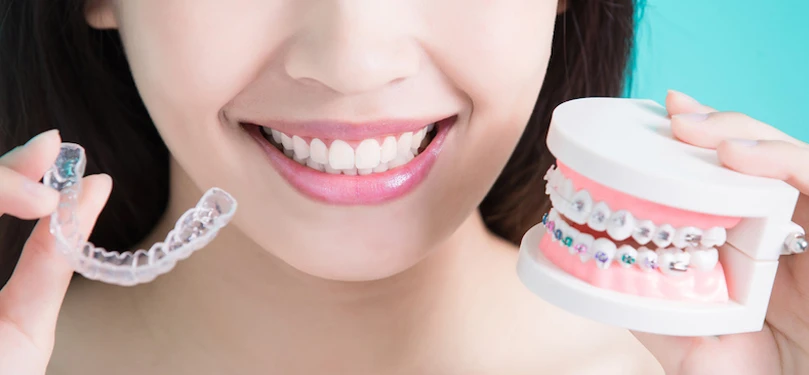

The decision to get braces is an important milestone in a child's development, and many parents wonder: what is the best age to get braces? Orthodontic treatment can improve oral health, function, and self-confidence, but timing plays a crucial role in achieving the best results. This blog will explore what parents should know about the ideal age for braces, signs your child may need them, and how early or late treatment can impact outcomes.
Why Timing Matters in Orthodontics
Braces are designed to correct teeth alignment, bite issues, and jaw irregularities. The timing of treatment is important because a child’s mouth changes significantly as they grow. Teeth, bones, and facial structure mature at different rates, and the best time to intervene depends on these factors.
Orthodontists often distinguish between:
- Interceptive Orthodontics: Early evaluation and minor treatment to guide jaw growth or address specific problems.
- Comprehensive Orthodontics: Full braces treatment usually done after most adult teeth have come in.
Starting too early or too late can affect the length, comfort, and effectiveness of treatment.
The Best Age Range for Getting Braces
Most children who need braces begin treatment between the ages of 9 and 14. This period corresponds with early adolescence, when a majority of permanent teeth have erupted, and the jaw is still growing, making teeth easier to move.
- Age 7: The American Association of Orthodontists recommends that children have an initial orthodontic evaluation no later than age 7. At this age, children have a mix of baby and permanent teeth, allowing orthodontists to spot potential problems early.
- Ages 9–14: This is the typical age range for most braces treatment. By this time, permanent teeth are set, but bones are still flexible, making it an ideal window for effective adjustment.
- After Age 14: Treatment can still be done successfully but may take longer and sometimes require additional interventions, especially if the jaw has stopped growing.
Signs a Child May Need Braces Early
Not every child needs braces at the same time. In some cases, early intervention—called Phase 1 treatment—can prevent more serious problems later. Some signs parents should watch for include:
- Difficulty chewing or biting
- Mouth breathing or chronic dry mouth
- Speech difficulties
- Early or late loss of baby teeth
- Crowded, protruding, or misplaced teeth
- Jaw misalignment or clicking sounds
- Thumb sucking or pacifier use beyond age 5
- Facial imbalance or asymmetry
If you notice any of these issues, scheduling an orthodontic consultation by age 7 is recommended.
Benefits of Getting Braces at the Right Age
Starting braces during the optimal age has many advantages:
- Better Growth Modification: During growth spurts, braces can guide jaw development, improving bites and facial symmetry.
- Shorter Treatment Time: Teeth and bones are easier to move when still growing, often resulting in less time wearing braces.
- Increased Comfort: Younger patients typically adapt better to braces and orthodontic appliances.
- Improved Oral Health: Correcting alignment early reduces the risk of cavities, gum disease, and abnormal wear of tooth enamel.
- Enhanced Self-Esteem: A well-aligned smile boosts confidence, especially in social and school settings.
What Happens if Braces Are Done Too Early or Too Late?
- Too Early: If braces are applied before many permanent teeth erupt, treatment may be prolonged or require multiple phases, potentially leading to fatigue or frustration.
- Too Late: Waiting too long can allow problems to worsen, and bone growth might be less responsive to correction, increasing the need for surgery or other invasive procedures.
However, treatment success depends on more than just age. Individual growth patterns, severity of the problem, and patient compliance all influence the outcome.
Adult Braces: Is it Ever Too Late?
Braces are not just for children and teens. Many adults seek orthodontic care to improve their smile and oral health. While adult bones no longer grow, modern orthodontics offers effective options such as clear aligners and ceramic braces.
Adult treatment may take longer and can be limited by gum health or bone density, but many adults see transformative results. Therefore, the "best age" is flexible, and orthodontists tailor plans to patients of all ages.
Tips for Parents Considering Braces
- Schedule an Early Evaluation: Even if you don’t see any problems, an orthodontic check by age 7 will help catch issues early.
- Follow the Orthodontist’s Plan: If early treatment is recommended, trust the process; it can reduce complexity later.
- Maintain Oral Hygiene: Braces require diligent brushing and flossing to avoid decay and stains.
- Encourage Compliance: Following instructions about wear times for appliances or elastics speeds treatment and improves outcomes.
- Discuss Financial Options: Many practices offer payment plans or insurance guidance, so don’t let cost delay treatment.
Conclusion
The best age to get braces generally falls between 9 and 14 years old, but early evaluation by age 7 ensures timely intervention if needed. Proper timing maximizes growth potential, shortens treatment duration, and sets the foundation for a healthy, confident smile. Parents should remain attentive to signs that indicate orthodontic needs and work with their dentist or orthodontist, particularly a trusted provider of dental braces treatment in Nadiad like Panorama Dental Clinic, to create the optimal treatment plan tailored to their child’s growth and individual dental needs.
Investing in orthodontic care at the right time helps children develop healthy teeth and smiles that last a lifetime.











Sign in to leave a comment.