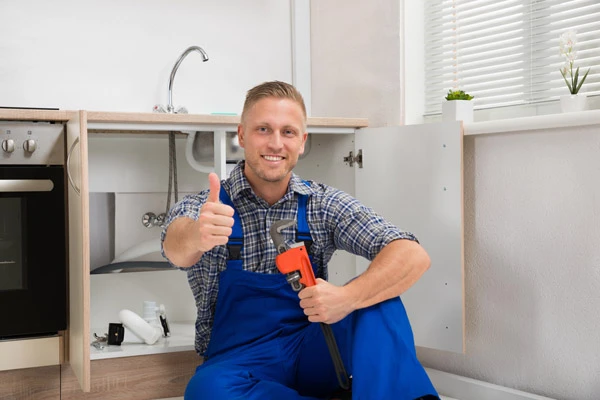
Plumbing issues can strike at the most unexpected times. Reckless spillage can result in significant water losses, while a broken pipe can cause substantial damage to walls and floors within a short period. Repairs can be quite expensive, but the good news is that most problems can be avoided with regular care.
Regular plumbing maintenance is key to saving yourself huge repair bills later. This checklist will guide you through maintaining your home's plumbing system in good condition throughout the year. Consider it your go-to routine for keeping your pipes, taps, and drains healthy.
Regular Plumbing Checks
Your plumbing works quietly in the background, so one can forget about it until something breaks down. Spending a few minutes every month to complete some cheques is important.
Here’s what to look at:
- Faucets and Showerheads: Test to see whether there are leaks, drips, rust, or lime. Hundreds of litres can be wasted by a dripping tap. Clean aerators on a regular basis to ensure the flow of water. For a better option, consider using sensor faucets to minimize water wastage and leakage.
- Drains: Check that water flows freely. In case it is draining slowly, de-clog it before it gets entirely clogged. It is possible to prevent hair or food bits from going down with the help of drain covers.
- Pipes and Connections: Check sinks, toilet backs, and around appliances such as washing machines. Any moisture, rust, or mould could be an indication of a leak.
- Water Pressure: Monitor tap and shower water flow. Unexpected fluctuations in pressure may be an indication of clogs or unseen leaks.
- Water heater: Once a year, flush some water out of it, or it will get sediment. Inspect tank corrosion and listen for any unusual sounds, such as popping or rumbling.
- Toilets: Ensure they are flushing properly. Check the flapper and float valve. They should continue to run after use.
Conducting such checks at least once a month or at a minimum once in a quarter will assist you in identifying issues when they are very minor and simple to correct. It also prolongs your plumbing system.
Seasonal Plumbing Tasks
The plumbing requirements vary according to seasons, and planning ahead would save your house. The slightest preparation will save a good deal of harm in the future.
a) Summer
Check external taps, garden hose, and sprinkler systems for the existence of cracks or leakages. Rubber seals wear out easily due to heat.
Clear out gutters and downspouts to allow the rain to pass off your roof. Test the pressure of the water as it may leak into underground pipes. To ensure that there is no wastage of water, ensure that the water supply to your garden is switched off after use.
b) Monsoon
You should investigate your sump pump to ensure that it is working before it's too late when the rains start. Eliminate debris in outdoor drains to avoid standing water.
Search your basement or by the foundation. These may be an entrance of water. Seal cracks on the exterior walls where water may penetrate.
c) Winter
Cover all open pipes to avoid frosting and rupturing. Unscrew and leave hoses in gardens before the weather drops the temperature.
Make sure your house is warm during freezing nights to prevent damage to indoor pipes. On very cold nights, open the cabinet doors under the sink to allow warm air to enter the pipes.
By adding these seasonal tasks to your home care routine, you’ll protect your plumbing system from weather-related damage and avoid sudden emergencies.
Signs of Plumbing Problems
Problems may still emerge despite the regular care. Early identification will save you time and money. Be aware of the following warning signs:
- Poorly draining sinks and tubs.
- Gurgling, banging, or other abnormal sounds in pipes.
- Water marks or wet spots on the wall, ceiling, or floors.
- Stale odours are the signs of a leak.
- An abrupt and unaccounted increase in your water bill.
- Toilets that continue to run after flushing.
- The cracks around sinks, tubs, or tiles could be the result of concealed leakages.
Any of these signs can be noticed, and you should take action soon. The little leakages might turn into a big loss. The better you repair them, the less money you waste.
When to Call a Professional Plumber
There are certain plumbing tasks that can be performed by homeowners, such as clearing minor clogs or changing tap washers. There are jobs that require professional assistance, though.
Contact a professional plumber in case of:
- Burst or leaking pipes
- Persistent or severe clogs
- Issues with sewer lines, such as bad odour or water stagnation.
- No hot or unusual sounds of the water heater.
- Extremely low water pressure in the entire house.
- Significant redecorations or pipe repairs.
It is also wise to arrange a complete plumbing checkup every year. Professionals can identify hidden leaks, test water pressure, and ensure your system is operational, safe, and efficient.
This has the ability to save you from the unnecessary, costly surprises in the future.
Having a trusted plumber you can call quickly is just as important as doing your own checks.
Why Regular Plumbing Maintenance Matters
Taking care of your home plumbing may not seem exciting, but it’s one of the best ways to protect your home. Leaks and pipe damage can cause structural issues, lead to mould growth, and ruin your belongings. Fixing them costs far more than preventing them.
Proper plumbing in your home ensures your comfort. It keeps your system running smoothly, conserves water, and lowers your utility bill. It also helps you plan more effectively, allowing you to identify small problems before they escalate into emergencies.
Consider plumbing care as one of the aspects of protecting your home value. A properly up-kept system will be very useful over the years.
Conclusion
A properly maintained plumbing system keeps your home healthy, clean, and comfortable. With the help of this plumbing maintenance checklist, you will be able to prevent unexpected leaks, expensive repairs, and loss of water.
Consider it a routine to check every now and then, finish the seasonal duties, and invite a plumber to carry out expert checks. Start using this checklist today to make your home safe, dry, and stress-free.

























Sign in to leave a comment.