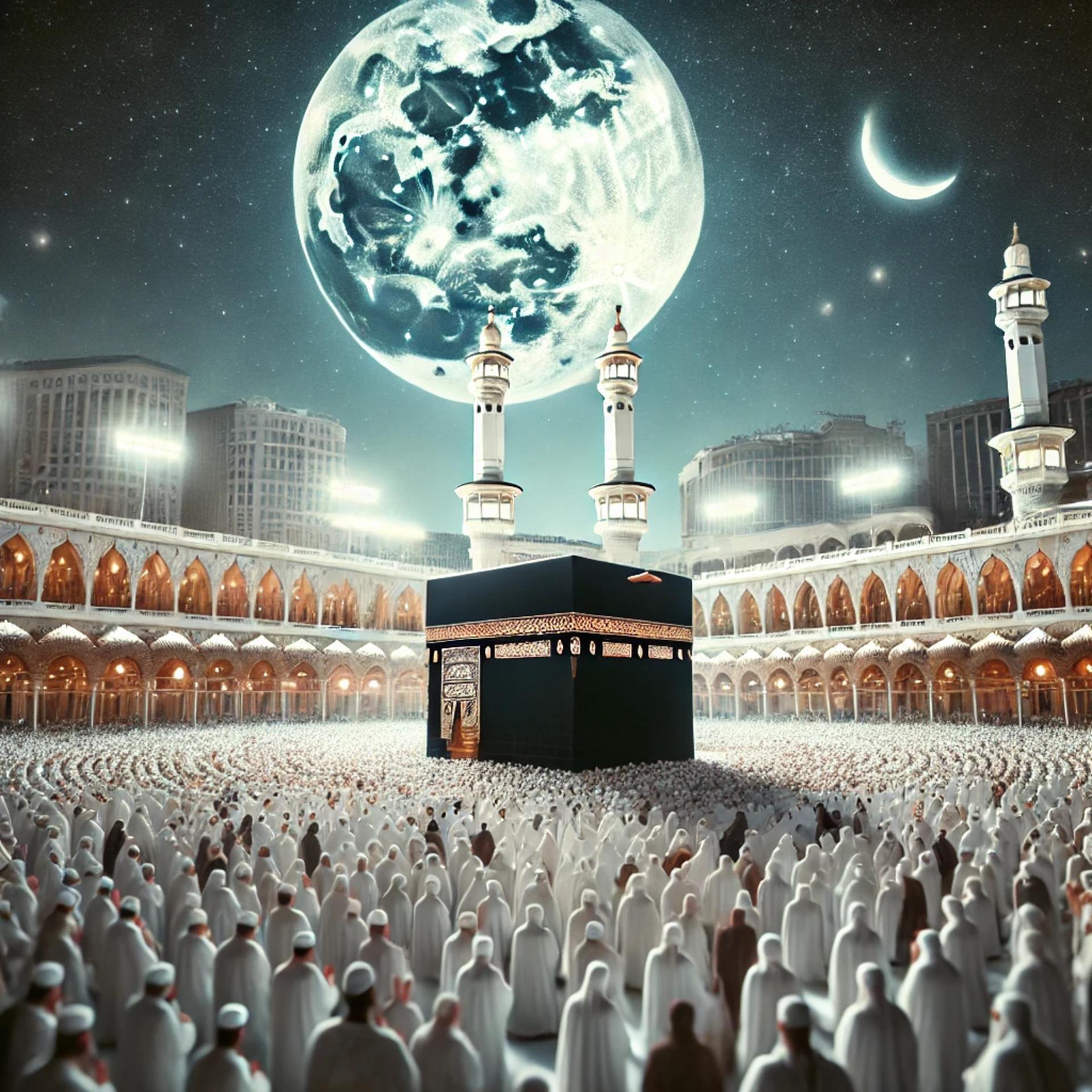

The Best Time to Perform Umrah: A Comprehensive Guide
Umrah, a sacred pilgrimage to the holy cities of Mecca and Medina, holds immense spiritual significance for Muslims worldwide. Unlike Hajj, which is obligatory and performed during specific days of Dhu al-Hijjah, Umrah is a voluntary act of worship that can be undertaken at any time of the year. However, choosing the best time to perform Umrah can greatly enhance your spiritual journey and overall experience. This article explores the optimal periods for Umrah, considering factors such as weather, crowd levels, costs, and personal preferences.
Spiritual Considerations
1. Ramadan: The Month of Blessings
Performing Umrah during Ramadan is highly recommended due to the immense blessings associated with this holy month. The Prophet Muhammad (peace be upon him) said, “Performing Umrah in Ramadan is equal to Hajj in reward” (Sahih Bukhari). The spiritual atmosphere in Mecca and Medina during Ramadan is unparalleled, with millions of Muslims coming together to worship, fast, and pray.
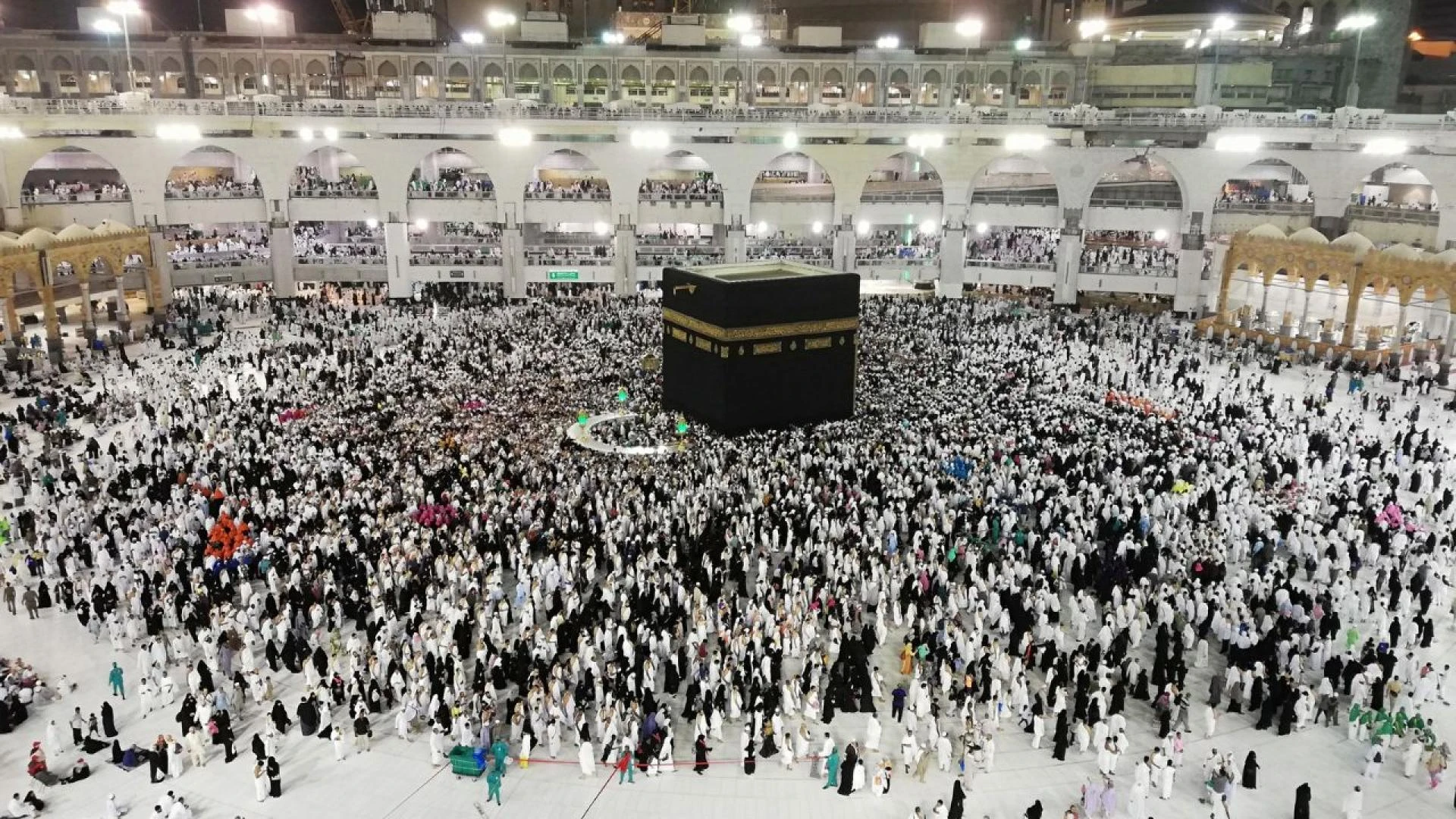
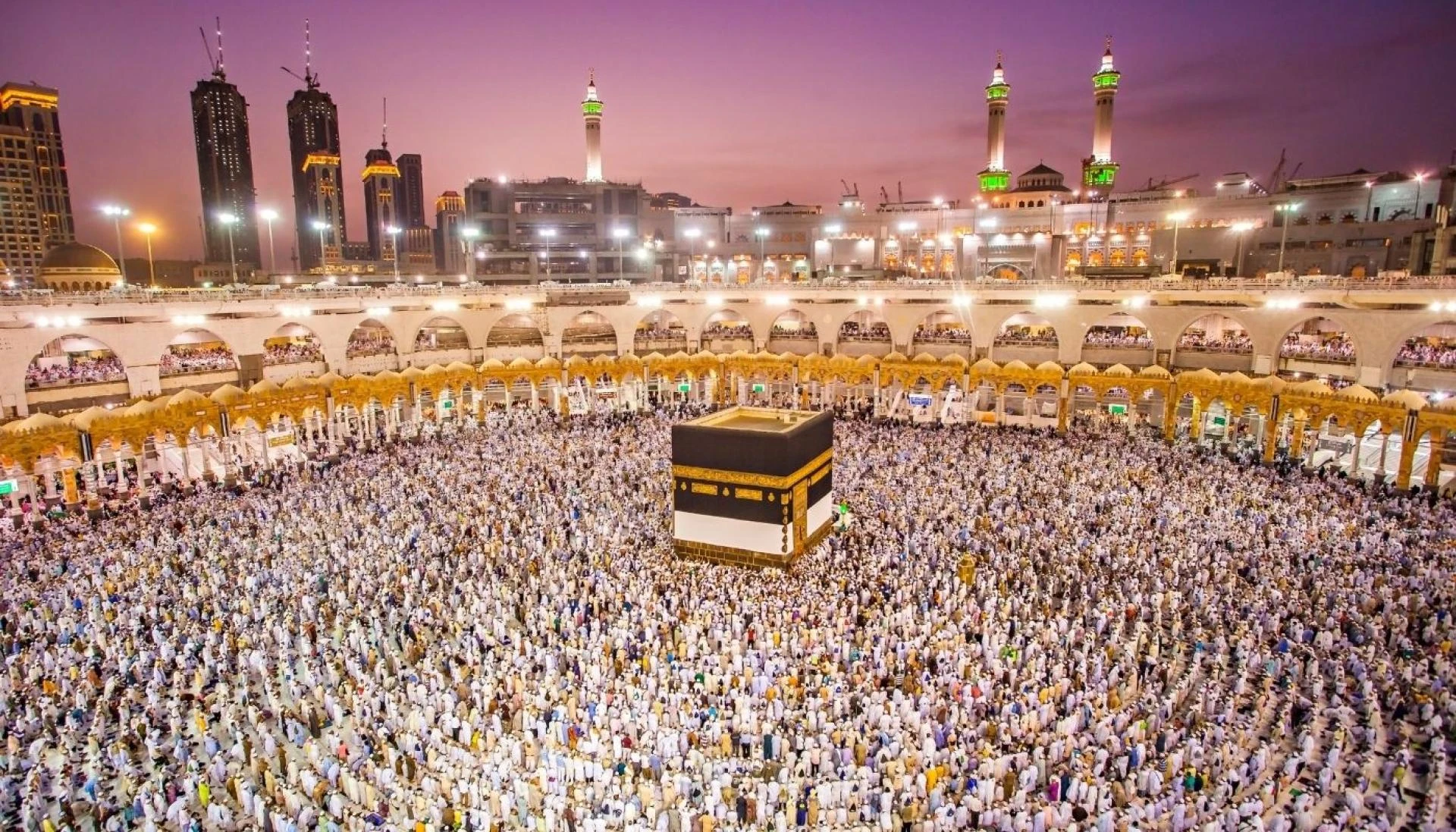
While the rewards are abundant, it’s essential to prepare for the large crowds and increased accommodation prices. The last ten days of Ramadan are particularly crowded as pilgrims seek the blessings of Laylat al-Qadr (the Night of Decree).
2. The Sacred Months
The Islamic calendar highlights specific sacred months: Muharram, Rajab, Dhu al-Qi'dah, and Dhu al-Hijjah. Performing Umrah during these months is considered more virtuous due to their sanctity. Rajab, in particular, sees a rise in pilgrims as it is believed to be a month of divine mercy and blessings.
Seasonal and Weather Considerations
1. Winter Months (November to February)
For those who prefer cooler temperatures, the winter months are ideal for performing Umrah. Temperatures in Mecca and Medina during this period range from 20°C to 30°C (68°F to 86°F), making the pilgrimage more comfortable. Activities such as Tawaf (circumambulation of the Kaaba) and Sa’ee (walking between Safa and Marwah) are less physically demanding in the cooler weather.
2. Summer Months (June to August)
Performing Umrah during the summer is less crowded as many pilgrims avoid the intense heat, which can exceed 45°C (113°F). While the weather may be challenging, this period often offers lower accommodation and travel costs. Pilgrims choosing this time should take precautions to stay hydrated and avoid heat-related illnesses.
Crowd and Cost Considerations
1. Off-Peak Periods
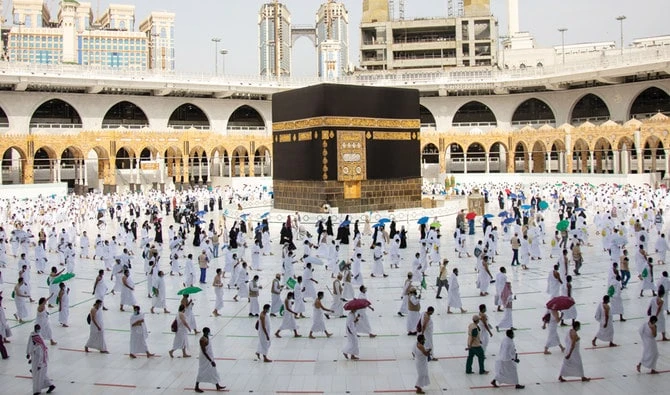
The weeks following the Hajj season and Ramadan are considered off-peak for Umrah. During these times, there are significantly fewer crowds, allowing for a more peaceful and focused worship experience. Additionally, accommodation, flights, and transport are more affordable.
2. School Holidays
Many families prefer to perform Umrah during school holidays to accommodate their children’s schedules. While this is convenient for families, it often results in higher costs and larger crowds. Planning and booking well in advance can help secure better deals and accommodations.
Practical Tips for Choosing the Best Time
1. Consider Your Health and Stamina
Elderly pilgrims or those with health conditions may prefer cooler months or less crowded periods to reduce physical strain. Consulting with a healthcare provider before planning the journey is advisable.
2. Financial Planning
Budgeting is a crucial aspect of planning Umrah. Off-peak periods generally offer better deals on flights and accommodations. Pilgrims should also factor in additional costs such as visa fees, transport, and meals.
3. Book Early
Regardless of the time of year, early planning and booking can help secure better prices and accommodations. Popular times like Ramadan and school holidays often see a surge in demand, so early reservations are essential.
The Best Time for Families and Individuals
1. Families
For families with children, school holiday periods such as spring or winter breaks are convenient. These times offer mild weather and manageable crowds, ensuring a comfortable experience for young children and elderly family members.
2. Individuals and Couples
Individuals and couples seeking a quieter, more spiritual experience may prefer off-peak times, such as the months following Ramadan and Hajj. The reduced crowd levels allow for more personal reflection and uninterrupted worship.
Conclusion
The best time to perform Umrah depends on individual preferences, goals, and circumstances. Whether seeking the spiritual rewards of Ramadan, the comfort of cooler weather, or the tranquility of off-peak periods, each time offers unique advantages. By carefully considering factors such as weather, crowd levels, and financial constraints, pilgrims can ensure a fulfilling and memorable Umrah journey.
Ultimately, the intention (niyyah) and sincerity in performing Umrah hold the greatest significance. Regardless of the time chosen, the journey to the House of Allah is an unparalleled act of devotion that strengthens faith and brings immense spiritual rewards.





Sign in to leave a comment.