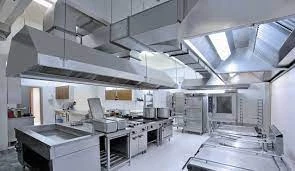

Selecting the right restaurant exhaust system is essential for the proper ventilation and air quality in a commercial kitchen. It helps remove smoke, heat, grease, and odors, ensuring a safe and comfortable environment for staff and patrons. However, choosing the best restaurant hood systems can be a complex task as it involves considering various factors such as kitchen layout, cooking equipment, local regulations, and budget constraints. In this article, we will discuss the key considerations when selecting a restaurant exhaust system and provide guidance on choosing the best system for your establishment.
Assessing Kitchen Size and Layout:
Begin by evaluating the size and layout of your kitchen. Measure the square footage of the cooking area and identify the placement of cooking equipment, including ranges, grills, fryers, and ovens. Consider the overall airflow requirements based on the kitchen's dimensions and layout.Understanding Local Regulations and Codes:
Familiarize yourself with the local building codes, fire safety regulations, and health department requirements regarding kitchen ventilation and exhaust systems. Ensure compliance with all relevant regulations to avoid penalties and ensure the safety of your establishment.Determining Ventilation Needs:
Evaluate the volume of cooking that takes place in your kitchen and determine the ventilation needs accordingly. Consider the type of cuisine, the number of burners or grills in use simultaneously, and the intensity of cooking. This information will help you determine the required exhaust capacity.Choosing the Type of Exhaust System:
There are various types of restaurant exhaust systems available, including canopy hoods, backshelf hoods, island hoods, and downdraft hoods. Consider the layout and design of your kitchen to determine the most suitable type of exhaust system.Calculating Exhaust Hood Size:
Properly sizing the exhaust hood is crucial for effective ventilation. Calculate the size of the hood based on the width and depth of the cooking equipment it will cover. The hood should extend a few inches beyond the cooking equipment on all sides.Selecting Exhaust Fan Capacity:
The exhaust fan is a critical component of the system. Choose an exhaust fan with the appropriate capacity to effectively remove the heat, smoke, and odors from the kitchen. Consider factors such as the total BTU (British Thermal Units) output of the cooking equipment and the length and configuration of the ductwork.Ductwork Design and Installation:
Proper design and installation of the ductwork are crucial for efficient and effective ventilation. The ductwork should be sized appropriately, have smooth interior surfaces, and be properly insulated to minimize heat loss and grease buildup. Seek professional assistance for designing and installing the ductwork.Air Filtration and Grease Removal:
Incorporate suitable air filtration and grease removal devices in your restaurant exhaust system. Grease filters, such as baffle filters or mesh filters, should be installed in the hood to capture grease particles and prevent them from entering the ductwork. Additionally, consider adding UV or electrostatic filters to remove odors and improve air quality.Noise Reduction:
Restaurant exhaust systems can generate significant noise. Choose exhaust fans and equipment that are designed for quiet operation to minimize disturbance in the kitchen and dining area.Energy Efficiency:
Consider energy-efficient options for your exhaust system, such as variable speed fans, demand-based ventilation controls, and heat recovery systems. These measures can help reduce energy consumption and lower operating costs.Seek Professional Assistance:
Designing and installing a restaurant exhaust system can be complex. It is advisable to consult with a professional HVAC (Heating, Ventilation, and Air Conditioning) engineer or a reputable exhaust system provider to ensure compliance with regulations and to optimize the system's performance.Regular Maintenance and Cleaning:
Once the restaurant exhaust system is installed, establish a regular maintenance and cleaning schedule. This includes cleaning grease filters, inspecting the ductwork for buildup, and ensuring proper functioning of fans and ventilation controls. Regular maintenance ensures the longevity and efficient operation of the system.In conclusion, selecting the best restaurant exhaust system involves careful consideration of factors such as kitchen size, local regulations, ventilation needs, type of exhaust system, hood size, fan capacity, ductwork design, air filtration, noise reduction, energy efficiency, and professional assistance. By evaluating these factors and making informed choices, you can ensure proper ventilation, compliance with regulations, and a safe and comfortable environment in your commercial kitchen. Remember to prioritize regular maintenance and cleaning to keep the system operating optimally.
Sign in to leave a comment.