
In today\'s data-driven world, organizations are swimming in a sea of information. But without the ability to analyze and extract insights, this data remains just a collection of numbers. This is where data analytics technology comes in, transforming raw data into actionable intelligence that fuels better decision-making, innovation, and ultimately, business success.
Market Overview: Size, Growth Trajectory, and Regional Landscape
The data analytics technology market is experiencing explosive growth. According to Fortune Business Insights, the global market size was valued at USD 307.51 billion in 2023 and is projected to reach a staggering USD 924.39 billion by 2032, exhibiting a robust CAGR (Compound Annual Growth Rate) of 13.0%. This growth is driven by several factors, including:
- The proliferation of internet-connected devices and sensors generating massive amounts of data.
- Increasing adoption of cloud computing, making data storage and processing more accessible and scalable.
- Growing awareness of the value of data-driven insights for improving business performance across industries.
The market is segmented into various components, with software leading the charge. The software segment offers a wide range of solutions, including business intelligence (BI), customer relationship management (CRM) analytics, and compliance analytics. This segment is expected to maintain its dominance due to the continuous development of cutting-edge data analytics tools and platforms.
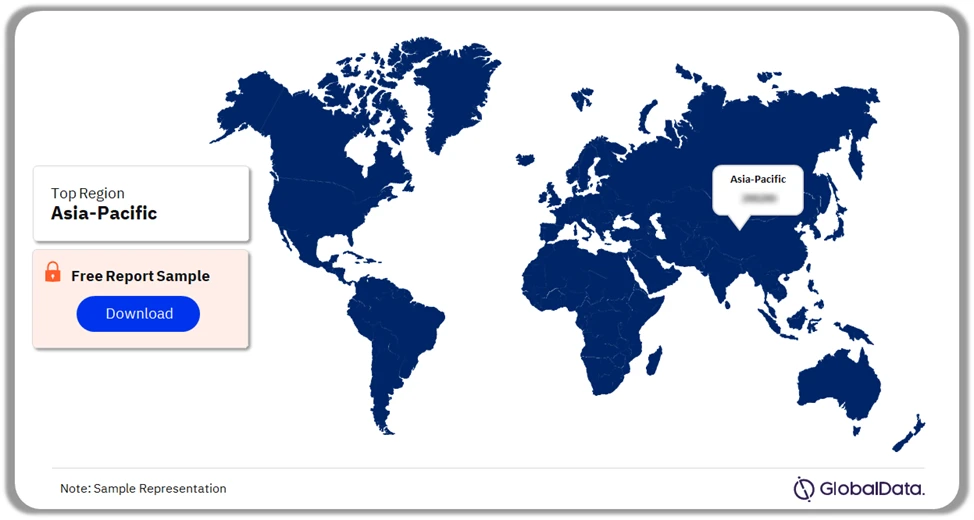
Regionally, North America currently holds the largest market share due to the presence of major data analytics players, advanced technological infrastructure, and a strong focus on data-driven decision-making. However, the Asia-Pacific region is expected to witness the fastest growth due to factors like rapid digitalization, government initiatives promoting data analytics adoption, and a large pool of tech talent.
Key Technologies Shaping the Data Analytics Landscape
The data analytics technology market is constantly evolving, with new trends and technologies emerging at a rapid pace. Here are some of the key players shaping the landscape:
- Big Data Analytics: This technology enables organizations to analyze massive datasets (structured, unstructured, and semi-structured) that traditional data processing techniques cannot handle. Big data analytics empowers businesses to uncover hidden patterns, identify customer trends, and optimize operations.
- Cloud Analytics: Cloud platforms offer scalable, cost-effective solutions for data storage, processing, and analytics. Businesses can leverage cloud-based analytics tools to gain insights from their data without significant upfront investments in infrastructure.
- Artificial Intelligence (AI) and Machine Learning (ML): AI and ML are revolutionizing data analytics by enabling machines to learn from data and make predictions. This allows for automated data analysis, real-time insights generation, and the development of intelligent applications.
- Business Intelligence (BI): BI tools provide users with interactive dashboards, reports, and visualizations to explore data, identify trends, and make informed business decisions. BI solutions are becoming increasingly user-friendly and accessible to a broader range of employees within an organization.
Applications of Data Analytics Technology Across Industries
Data analytics technology is finding applications across numerous industries, transforming how businesses operate and create value. Here are some prominent examples:
- Retail: Retailers are using data analytics to understand customer behavior, personalize marketing campaigns, optimize product placement, and manage inventory effectively.
- Finance: Financial institutions are leveraging data analytics to assess credit risks, detect fraudulent transactions, predict market trends, and develop personalized financial products.
- Healthcare: Data analytics is being used in healthcare to improve patient outcomes, develop targeted treatments, analyze clinical trials, and manage healthcare costs.
- Manufacturing: Manufacturers are employing data analytics to predict equipment failures, optimize production processes, ensure quality control, and improve supply chain efficiency.
These are just a few examples, and the potential applications of data analytics technology are vast and constantly evolving. As businesses continue to generate more data, the need for sophisticated analytics tools will only become more critical.
Challenges and Considerations for Market Players
Despite the immense potential of data analytics technology, several challenges need to be addressed:
- Data Security and Privacy: As the volume and variety of data collected by businesses grow, concerns about data security and privacy become paramount. Companies need to implement robust security measures and comply with data privacy regulations like GDPR (General Data Protection Regulation) and CCPA (California Consumer Privacy Act).
- Data Talent Shortage: The demand for skilled data analysts and data scientists is outpacing the current talent pool. Businesses need to invest in training programs and talent acquisition strategies to bridge this gap.
- Data Integration and Management: Organizations often struggle to integrate data from multiple sources, leading to data silos and hindering effective analysis. Implementing data governance frameworks and data management solutions is crucial for ensuring data quality and accessibility.
Buy the Full Report for More Insights into the Data and Analytics Market Forecast, Download a Free Report Sample










Sign in to leave a comment.