
The healthcare industry is undergoing a digital revolution, and at the forefront of this transformation lies the Electronic Health Records (EHR) market. EHRs offer a secure and centralized platform for storing and managing patient medical data, revolutionizing the way healthcare is delivered and managed. This article delves deep into the EHR market, exploring its current size, growth projections, driving factors, key segments, and future trends.
A Market on the Rise: The Global EHR Landscape
The global EHR market is experiencing significant growth, driven by a confluence of factors. Here's a glimpse into the current market landscape:
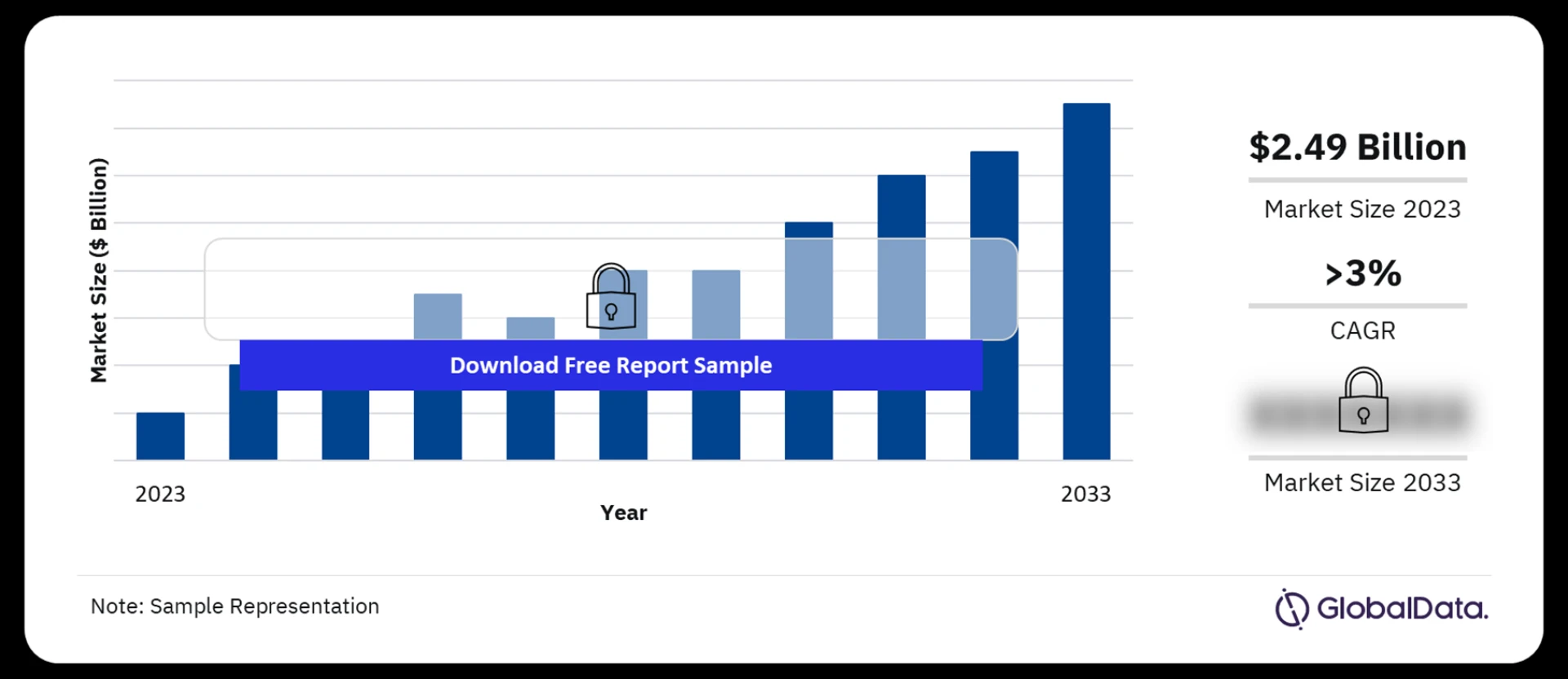
Market Size and Growth: According to Allied Market Research, the global EHR market size was valued at USD 30.55 billion in 2020 and is projected to reach USD 63.85 billion by 2030, registering a CAGR of 7.7% [Source: Allied Market Research]. This growth trajectory indicates the increasing adoption of EHRs across healthcare facilities worldwide.Geographical Landscape: North America currently dominates the EHR market due to the early adoption of digital healthcare technologies in the region. However, Asia Pacific is expected to witness the fastest growth rate in the coming years, driven by government initiatives promoting healthcare IT adoption and a growing healthcare infrastructure in the region.Driving Forces: The Engines of Growth
Several factors are fueling the expansion of the EHR market:
Enhanced Patient Care: EHRs facilitate improved patient care by providing healthcare providers with a comprehensive view of a patient's medical history, allergies, medications, and treatment plans. This allows for more informed decision-making, improved coordination of care, and reduced medication errors.Increased Efficiency and Productivity: EHRs streamline administrative tasks for healthcare providers, allowing them to spend more time with patients. Electronic documentation eliminates the need for paper records, saving time and resources.Improved Public Health Management: EHRs can be used to track disease outbreaks, monitor public health trends, and conduct research. This data can be vital for formulating effective public health policies and interventions.Government Regulations and Incentives: Many governments are mandating or incentivizing the adoption of EHRs to improve healthcare quality and efficiency. This is leading to increased investment in EHR systems by healthcare providers.Market Segmentation: A Multifaceted Landscape
The EHR market is segmented into various categories based on deployment models, functionalities, and end-users:
Deployment Models:On-premise EHR systems: These systems are installed and maintained on a healthcare provider's own IT infrastructure. They offer greater control and customization but require significant upfront investment and ongoing maintenance costs.Cloud-based EHR systems: These systems are hosted on a remote server by a vendor. They offer scalability, ease of use, and lower upfront costs, but may raise concerns about data security and privacy.Functionalities:Core EHR functionalities: These include patient demographics, medical history, allergies, medications, immunizations, lab results, imaging reports, and discharge summaries.Advanced functionalities: These may include population health management tools, decision support systems, patient portals, and telehealth capabilities.End-Users:Hospitals and Clinics: These institutions require comprehensive EHR systems that cater to a wide range of specialties and patient needs.Ambulatory Care Providers: Physicians, dentists, and other outpatient providers may utilize less complex EHR systems focused on managing individual patients.Long-Term Care Facilities: These facilities require specialized EHR systems to track patient care plans and progress in chronic disease management.Emerging Trends: Shaping the Future of EHRs
The EHR market is constantly evolving, with several key trends shaping its future:
Integration with Artificial Intelligence (AI): AI-powered EHR systems can analyze vast amounts of patient data to identify patterns, predict health risks, and recommend personalized treatment plans.Focus on Interoperability: The ability for different EHR systems to share data seamlessly is crucial for coordinated care and improving patient outcomes. Standardized data formats and interoperable platforms are gaining traction.Patient Engagement: Patient portals integrated with EHRs empower patients to access their medical records, manage medications, and communicate with providers. This fosters patient engagement and ownership of their health.Security and Privacy Concerns: As EHR adoption increases, ensuring the security and privacy of patient data is paramount. Robust cybersecurity measures and regulatory frameworks are essential to build trust in the system.Challenges and Considerations: Navigating the Landscape
While the EHR market holds immense promise, some challenges need to be addressed:
Cost and Implementation: Implementing and maintaining EHR systems can be expensive, especially for smaller healthcare providers. Government support and cost-effective solutions are crucial to ensure wider Buy the Full Report for Detailed Insights on the Electronic Health Records (EHR) Market Forecast,Download a Free Sample Report






























Sign in to leave a comment.